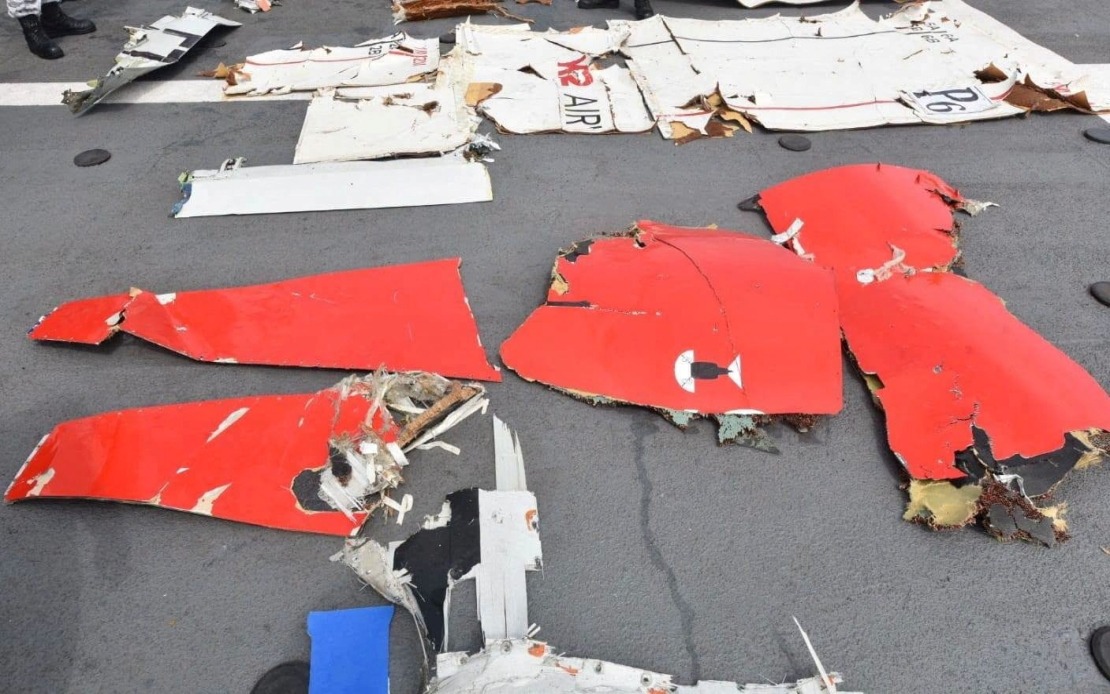
The Pakistani Navy has located debris from a cargo aircraft operated by K2 Airways in the Arabian Sea, marking a significant development in the search operation that has intensified since the plane vanished on Tuesday evening. However, despite the discovery of Boeing 737 fragments offshore near Amara, situated west of the port city of Karachi, there remains no evidence of the aircraft's five crew members, according to the Pakistan Civil Aviation Authority. The search efforts, which have now extended beyond twelve hours, underscore the challenging maritime conditions and the urgent need to locate survivors in one of South Asia's most critical shipping corridors.
The aircraft disappeared during what should have been a routine cargo flight from Sharjah in the United Arab Emirates to Karachi, a route frequently traversed by regional freight operators. The final communication from the cockpit indicated that the crew had identified navigation difficulties, prompting them to alert ground control to their situation. Within a relatively short period following this distress notification, the plane experienced a rapid descent before vanishing entirely from radar systems operated by air traffic control facilities in Pakistan. The circumstances surrounding this sudden loss of altitude have prompted immediate investigation, with authorities working to reconstruct the aircraft's final moments and determine the precise cause of the incident.
Weather conditions across the Arabian Sea have emerged as a complicating factor in recovery operations. The monsoon season, which typically brings heavy rainfall and turbulent sea conditions to the region from June through September, has intensified since the aircraft's disappearance. These meteorological challenges have severely constrained the ability of rescue teams to conduct comprehensive searches and potentially locate crew members who may have survived the initial incident. The rough seas and limited visibility characteristic of monsoon weather present formidable obstacles to maritime rescue operations, particularly when searching across vast oceanic expanses where wreckage may be dispersed over considerable distances.
K2 Airways, the private Pakistani airline operating the aircraft, has made a public commitment to cooperating fully with both the Pakistan Civil Aviation Authority and other governmental agencies involved in the investigation and recovery efforts. In a statement issued through its Facebook social media platform, the airline identified the five crew members and expressed earnest prayers for their safety, while simultaneously extending condolences to their families. This dual messaging reflects the airline's acknowledgment of the gravity of the situation while maintaining hope for a positive outcome. The airline, which commenced operations in 2018, operates as part of Pakistan's competitive aviation sector, serving regional cargo and passenger markets.
Prime Minister Shehbaz Sharif has publicly acknowledged the tragedy, expressing sorrow regarding the incident and offering formal condolences to the families of the crew members involved. Such high-level political acknowledgment underscores the significance of the incident within Pakistan's national context and demonstrates government engagement with aviation safety matters. The Prime Minister's response reflects broader concerns about aviation safety standards and operational procedures within Pakistani carriers, particularly those operating in the cargo sector where regulatory oversight and operational pressures can sometimes diverge.
The crew composition included two pilots, two engineers, and a loadmaster, representing a typical operational configuration for cargo aircraft operations in the region. Each crew member's expertise would have been essential for managing the flight's technical requirements and responding to emergencies, making their collective loss particularly significant for the aviation sector. The loss of such experienced personnel raises questions about training protocols, emergency response procedures, and the adequacy of safety systems aboard the aircraft. These considerations extend beyond the immediate tragedy to encompass broader questions about operational standards across South Asian aviation industries.
The Boeing 737 aircraft itself carried considerable operational history. The airframe entered service in 1999 operating as a passenger transport before undergoing conversion for cargo operations, a practice common throughout Asia where older passenger jets find extended utility in freight services. This conversion process, while economically advantageous for operators, sometimes introduces operational considerations distinct from original passenger configurations. The aircraft's age and conversion history may prove relevant to ongoing investigations into the accident's root causes, particularly regarding maintenance procedures and structural integrity assessments.
The disappearance of the K2 Airways flight occurs within a broader context of aviation safety in South Asia, a region where cargo operations have expanded significantly to support growing e-commerce and international trade networks. Pakistan's aviation sector, while increasingly competitive, continues to operate within a regulatory environment that regional and international observers scrutinize carefully. Incidents such as this one generate renewed scrutiny of maintenance standards, crew training requirements, and communication protocols across Pakistani carriers, potentially influencing operational procedures throughout the region's aviation industry.
As recovery operations continue, investigators face the challenging task of locating and examining the aircraft's flight data and cockpit voice recorders, commonly known as black boxes, which are essential for determining precisely what occurred during the final minutes of flight. These devices, typically housed in reinforced compartments designed to survive catastrophic impacts, may yet provide crucial insights into the technical and human factors that contributed to the accident. The recovery of such evidence, combined with careful examination of the recovered wreckage, will likely take considerable time given current sea conditions and the dispersed nature of debris fields in open ocean environments.
For Malaysia and Southeast Asian nations, the incident carries implications for regional aviation safety discourse and the standards applied across international cargo operations. The reliance of Malaysian businesses on regional and South Asian freight carriers makes aviation safety in neighboring countries a matter of indirect but genuine concern. The incident may prompt discussions among regional aviation authorities regarding standardized safety protocols, crew training requirements, and maintenance procedures applicable to aging aircraft operating in freight services throughout the Indian Ocean region and beyond.

