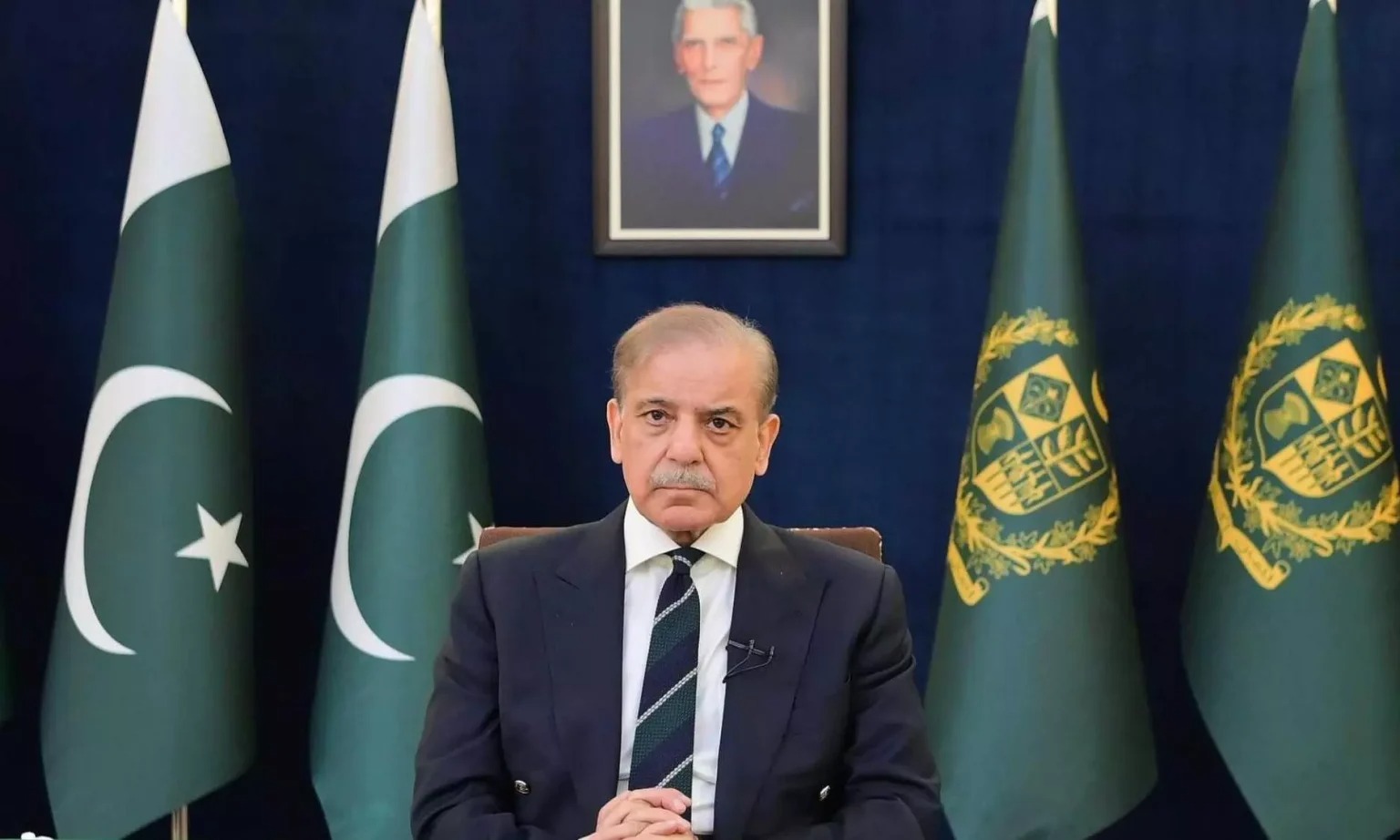
Pakistan Prime Minister Shehbaz Sharif will journey to Iran's capital next week to pay his respects at the funeral of Ayatollah Ali Khamenei, the country's Supreme Leader, marking a significant diplomatic gesture during a period of heightened geopolitical tension in the region. The visit on July 4 underscores Pakistan's commitment to maintaining strong ties with Iran, a crucial neighbour with whom it shares a long and strategically important border.
Foreign Ministry spokesman Tahir Andrabi announced the high-level visit during a media briefing in Islamabad on Thursday, emphasising that Shehbaz would convey official condolences from both the Pakistani government and its people to the Iranian leadership and the grieving family members. This representation at the funeral demonstrates the weight Pakistan places on its diplomatic relationship with Tehran at a time when regional stability remains a pressing concern for all stakeholders.
The Pakistan premier's entourage will be substantial, reflecting the importance accorded to the occasion. Deputy Prime Minister Ishaq Dar, who also holds the portfolio of Foreign Minister, will accompany Shehbaz alongside several other members of the cabinet. The delegation's composition signals that this visit carries both ceremonial and substantive dimensions, with opportunities to discuss bilateral matters and broader regional developments during their time in Iran.
Following the funeral ceremony in Tehran, Shehbaz will not return directly to Islamabad but instead will travel to Turkey at the personal invitation of President Recep Tayyip Erdogan. This two-nation swing, scheduled to span July 3 through 5, indicates a carefully choreographed diplomatic schedule designed to address Pakistan's strategic interests across multiple fronts. Turkey has long been a key partner for Pakistan on defence, trade, and regional security matters, making the bilateral discussions a natural complement to the Iran visit.
For Malaysian and Southeast Asian observers, Pakistan's deliberate engagement with both Iran and Turkey during this sensitive period reflects broader patterns of regional diplomacy in Asia. The Pakistani government's decision to dispatch its top leaders to attend the funeral, rather than sending a junior representative, signals respect for Iran's regional importance and suggests that Islamabad does not wish to allow any cooling of ties despite occasional tensions between the two nations.
India's decision to send Bihar state governor Syed Ata Hasnain and deputy foreign minister Pabitra Margherita to the ceremony indicates that multiple South Asian powers view the funeral as an important diplomatic occasion. While Pakistan's representation is notably higher-ranking, India's presence also underscores the funeral's role as a venue where regional powers can quietly engage and demonstrate their bilateral relationships with Tehran. The composition of delegations often communicates subtle messages about each nation's current priority given to relations with Iran.
The timing of Khamenei's funeral and the subsequent wave of diplomatic visits reflects Iran's continued significance as a regional power despite international sanctions and political isolation from Western nations. For Pakistan, maintaining strong connections with Iran remains essential given shared security challenges, particularly regarding militant groups operating across the border regions. The funeral provides an opportune moment for Shehbaz to reinforce these ties at the highest level.
From a Southeast Asian perspective, these developments matter because they illustrate how South and West Asian powers calibrate their regional diplomacy. Pakistan's strategic choice to attend in strength, coupled with its simultaneous engagement with Turkey, demonstrates how nations balance multiple relationships in a complex geopolitical environment. This balancing act mirrors challenges that ASEAN members face when navigating between larger powers with competing interests.
The visit also comes during a period when Pakistan faces significant domestic and external pressures, including economic challenges and security concerns. By demonstrating active diplomatic engagement on the regional stage through high-level attendance at Khamenei's funeral, Shehbaz projects an image of Pakistan as a significant player in regional affairs despite these internal constraints. This diplomatic activism can help shore up Pakistan's standing among key partners while potentially opening doors for economic cooperation or security assistance.
Turkey's role in this diplomatic sequence is equally noteworthy. As a NATO member bridging Europe and Asia, Turkey maintains its own complex relationship with Iran, balancing strategic interests with ideological differences. Erdogan's invitation to Shehbaz for bilateral talks immediately following the funeral suggests that Turkish leadership sees value in coordinating with Pakistan on regional matters, whether related to Syria, Iraq, or other shared concerns affecting their respective strategic interests.

