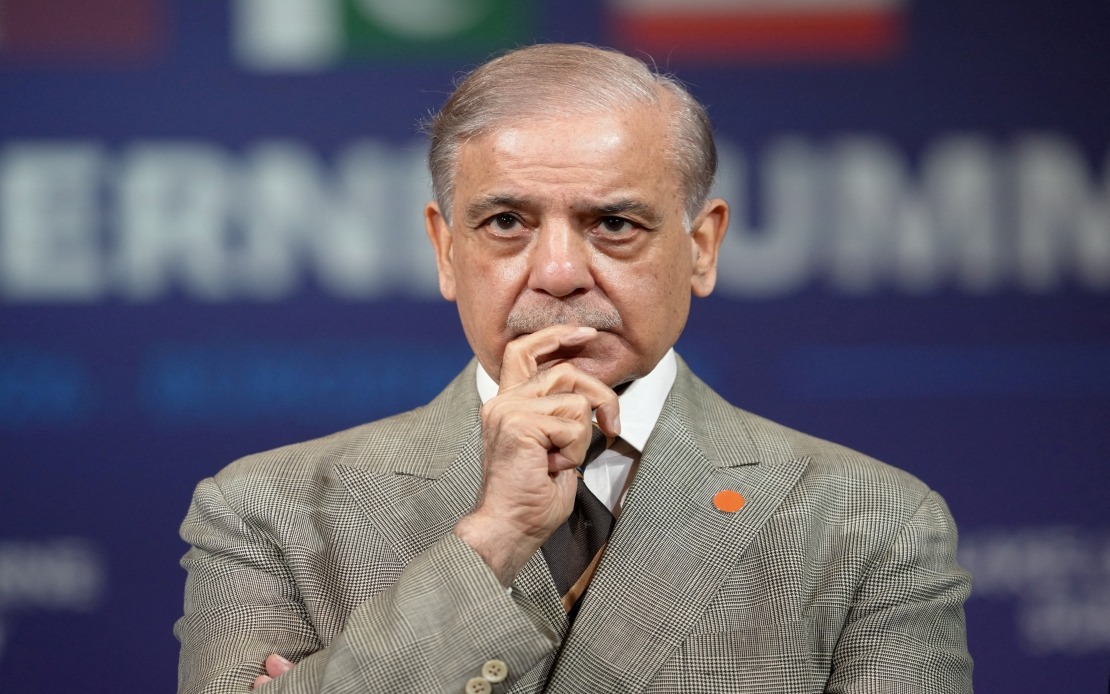
Pakistan and Turkey have signalled their intention to forge a more robust economic relationship, with both nations setting an ambitious target of achieving US$5 billion in annual bilateral trade. The commitment emerged from high-level discussions between Pakistani Prime Minister Shehbaz Sharif and Turkish President Recep Tayyip Erdogan during the premier's visit to Istanbul on Saturday, marking a significant moment in the countries' ongoing strategic partnership across multiple sectors.
During the bilateral meeting, the two leaders moved beyond traditional diplomatic pleasantries to engage substantively on economic expansion strategies. Shehbaz subsequently addressed a dedicated Pakistan-Turkiye business conference that drew participation from some of Turkey's largest industrial enterprises, signalling both nations' serious intent to translate political goodwill into tangible commercial opportunities. The conference format itself demonstrated a coordinated effort to bridge business communities and identify concrete investment pathways.
The cooperation framework encompasses several strategic sectors that reflect complementary strengths and emerging regional priorities. Energy cooperation stands as a cornerstone, given Turkey's position as a critical transit hub for global energy flows and Pakistan's substantial energy import requirements. Transportation and logistics represent another pillar, where Turkish expertise in infrastructure development aligns with Pakistan's ongoing modernisation needs. The inclusion of critical minerals and digital technologies underscores recognition that future competitiveness depends on securing supply chains for emerging technologies and building digital infrastructure capabilities.
A particularly noteworthy initiative is Pakistan's proposal for a dedicated digital corridor linking the two nations. This concept extends beyond simple data transfer arrangements; it encompasses establishing secure mechanisms for cross-border information flows and harmonising digital infrastructure standards. Such connectivity holds significance not merely for bilateral commerce but for positioning both countries within broader regional digital ecosystems. For Pakistan, which has invested substantially in its technology sector, Turkish partnership could unlock Southeast Asian markets through Istanbul's geographic positioning.
Pakistan's delegation brought considerable ministerial firepower to the business conference, reflecting the government's prioritisation of these negotiations. Deputy Prime Minister and Foreign Minister Ishaq Dar joined ministers overseeing maritime affairs, energy, petroleum, privatisation, information technology, and telecommunications. This comprehensive representation enabled simultaneous discussions across multiple investment domains, maximising the potential for matching Turkish corporate interests with Pakistani opportunities.
The Turkish business representatives present represented formidable economic entities capable of implementing large-scale projects. Koc Holding, one of the world's largest conglomerates with diversified interests spanning automotive, finance, and consumer goods, embodies the scale of partnership envisioned. Arcelik's home appliance manufacturing expertise could feed into Pakistan's domestic consumer market growth, whilst Aygaz's gas distribution experience becomes relevant given Pakistan's energy security considerations. Demir Export's participation suggests interest in mining and resource extraction opportunities within Pakistan.
Energy cooperation discussions likely centred on multiple dimensions. Beyond immediate import arrangements, such cooperation could involve Turkish companies' participation in Pakistan's renewable energy transition, hydroelectric projects, and energy infrastructure modernisation. Turkey's experience managing complex energy networks and securing diversified supply sources offers valuable lessons for Pakistani planners navigating geopolitical constraints and climate imperatives.
The manufacturing and industrial investment focus reflects a shared recognition that sustainable economic growth requires moving beyond extractive or service-based models. Pakistani industrial capacity, combined with relatively lower labour costs, attracts Turkish manufacturers seeking to diversify production bases beyond domestic borders. Conversely, Turkish technical expertise and quality standards could help elevate Pakistani manufacturing's competitiveness in regional and global markets.
Mining and critical minerals discussions gain salience against global competition for rare earth elements and battery metals essential for clean energy transitions. Pakistan possesses substantial mineral deposits, whilst Turkish companies bring expertise in extraction and processing. Their collaboration could position both nations more advantageously within global supply chains for technologies critical to renewable energy and electrification.
For Malaysian and broader Southeast Asian observers, this Pakistan-Turkey economic deepening carries several implications. It demonstrates how nations facing external pressures seek to diversify economic partnerships and build alternative trading blocs. The emphasis on digital infrastructure and technology cooperation reflects a global trend toward technologically-integrated economic relationships transcending traditional goods-focused trade. Regional economies like Malaysia, which have pursued similar strategic partnerships, might find relevant precedents in how Pakistan and Turkey structure sectoral cooperation frameworks.
The $5 billion annual trade target, whilst ambitious, remains achievable given both nations' complementary economic structures and previous underutilisation of bilateral trade potential. Current trade volumes likely fall significantly short of this figure, suggesting substantial room for growth through systematic removal of trade barriers, investment facilitation, and business matchmaking—precisely the activities demonstrated during this visit.
The Pakistani government's multisectoral approach to economic engagement reflects sophisticated understanding that sustainable partnerships require diverse revenue streams and mutual dependencies across sectors. Should these negotiations translate into concrete projects—particularly in energy, manufacturing, and digital infrastructure—they could reshape economic dynamics for both nations and influence broader regional investment patterns throughout South and Central Asia.

