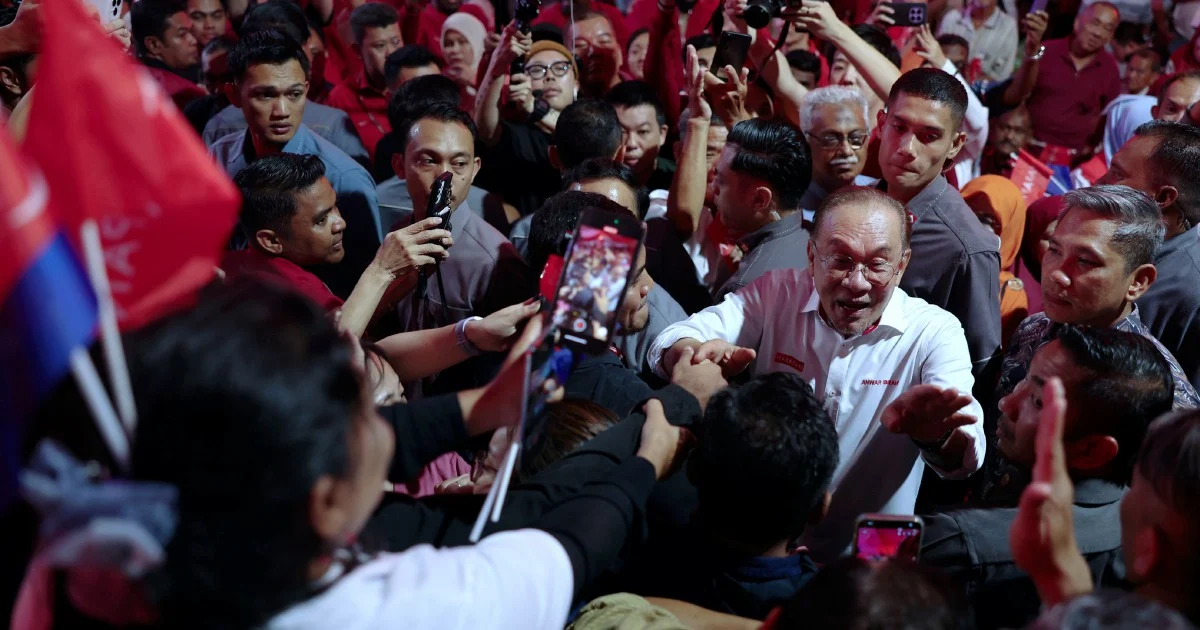
Pakatan Harapan made its formal entry into the Johor state election race on Tuesday with the unveiling of a full 56-candidate slate, marking a decisive moment in the coalition's bid to capture one of Malaysia's most significant political prizes. The announcement, delivered by coalition chairman Datuk Seri Anwar Ibrahim at an event in Tangkak, represents PH's most comprehensive campaign preparation for the July 11 polling day and underscores the opposition alliance's intention to mount a serious challenge for state power.
The southern state of Johor carries outsized importance in Malaysian electoral calculations. As the country's largest state by land area and home to over 4 million residents, control of its legislative assembly represents not merely a regional victory but carries implications for the nation's broader political balance. Johor's economic significance—anchored by its substantial manufacturing, petrochemical, and port sectors—means that governance of the state influences commerce and development across the entire southern corridor. For PH, a coalition that has struggled to rebuild following its shock 2023 general election losses, a strong showing in Johor would provide crucial momentum heading into future electoral contests.
The timing of the candidate announcement reflects strategic calculation by PH leadership. By releasing the full roster relatively early in the campaign period, the coalition signals organisational readiness and provides candidates time to canvass their constituencies and build grassroots support. In Johor's political context, where incumbent structures maintain formidable ground machinery, such preparatory work proves essential for challengers seeking to overcome incumbency advantages and established voter networks.
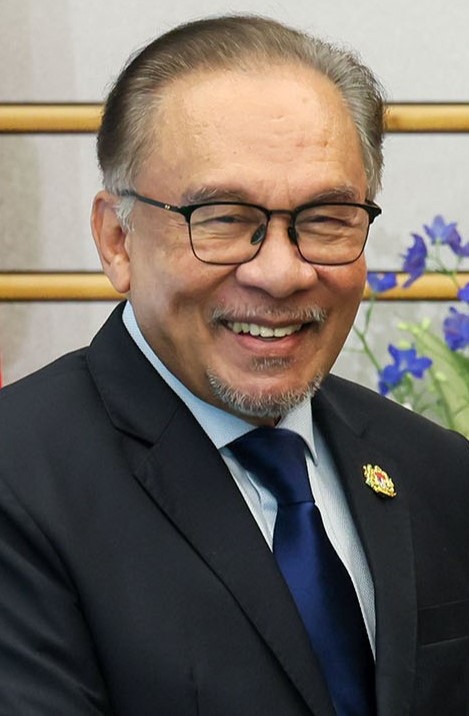
Anwar Ibrahim's personal involvement in the announcement ceremony carries symbolic weight for the coalition. As both PH chairman and Prime Minister, Anwar's presence at the Tangkak event communicates the national government's investment in the state contest and positions the election as significant beyond mere local politics. His leadership of the announcement also underscores PH's effort to present the coalition as a cohesive political force capable of contesting decisively across Malaysia's federal landscape.
The composition of PH's candidate slate will reveal important details about the coalition's strategic priorities and internal balance. Malaysian political observers typically scrutinise candidate selections to understand how PH component parties—primarily PKR, DAP, and Amanah—have allocated nomination spots and whether the distribution reflects confidence in particular geographic strongholds or attempted breakthroughs in new territories. The candidates chosen will also indicate PH's assessment of which constituencies represent realistic pathways to majority control of the 56-member Johor state assembly.
For Malaysian voters in the southern state, the election offers a genuine choice between competing visions of governance. The contest will likely centre on economic management, development priorities, and each side's capacity to deliver services efficiently. Johor's specific challenges—including addressing infrastructure gaps between urban and rural areas, managing rapid urbanisation around Johor Bahru and Iskandar Puteri, and supporting local industries facing regional competition—will probably feature prominently in campaign messaging from both PH and the ruling coalition.
The election occurs within a broader context of Malaysian political realignment. The 2023 general election fragmented traditional political patterns, and subsequent state-level contests have demonstrated that voters remain genuinely competitive and willing to switch allegiances based on local performance and messaging. PH's performance in recent state elections has been mixed, making Johor's July contest a critical test of whether the coalition can stabilise its support base and regain lost ground.
Regional dynamics also merit consideration. Johor's proximity to Singapore and its role as a gateway to peninsular Malaysia mean that the state's political direction influences business confidence and cross-border cooperation. International investors monitoring Malaysian political stability will watch the Johor election closely, particularly regarding whether it produces clear governance outcomes that provide predictable policy frameworks. A decisive result favouring either major coalition would likely be viewed more positively by foreign observers than an inconclusive outcome requiring protracted coalition negotiations.
For the opposition alliance more broadly, success in Johor would represent a symbolic turning point following recent electoral setbacks. State-level victories provide PH with tangible achievements to present to voters and furnish component parties with resources and prestige that strengthen their organisational capacity. The coalition's decision to contest all available seats reflects ambition bordering on confidence—some Malaysian political analysts suggest this aggressive posture, rather than strategic targeting of winnable constituencies, indicates PH genuinely believes it can achieve majority control.
The campaign period leading to July 11 will test both PH's organisational depth and the effectiveness of its messaging on local bread-and-butter issues. Johor voters, like Malaysian electorates generally, remain fundamentally concerned with economic prospects, employment opportunities, and public service delivery. The coalition that most convincingly demonstrates its capacity to address these concrete concerns while building emotional connections with voters will likely determine the election's outcome.
As campaigns formally commence across Johor's constituencies, the 56 candidates now represent PH's hopes for reversing recent electoral trends and restoring the coalition's position as a credible alternative government. Their collective performance over the coming weeks will prove decisive in determining whether the opposition can successfully challenge incumbency in this crucial southern state.