Pakatan Harapan has made clear its intention to honour the constitutional role of the Sultan of Johor in appointing the state's chief executive, should the opposition coalition triumph in the 16th Johor state election. The statement comes as speculation swirls across social media regarding potential candidates for the Menteri Besar position, with attention recently focused on several prominent figures within the coalition. The election is slated for July 11, with early voting beginning four days earlier on July 7.
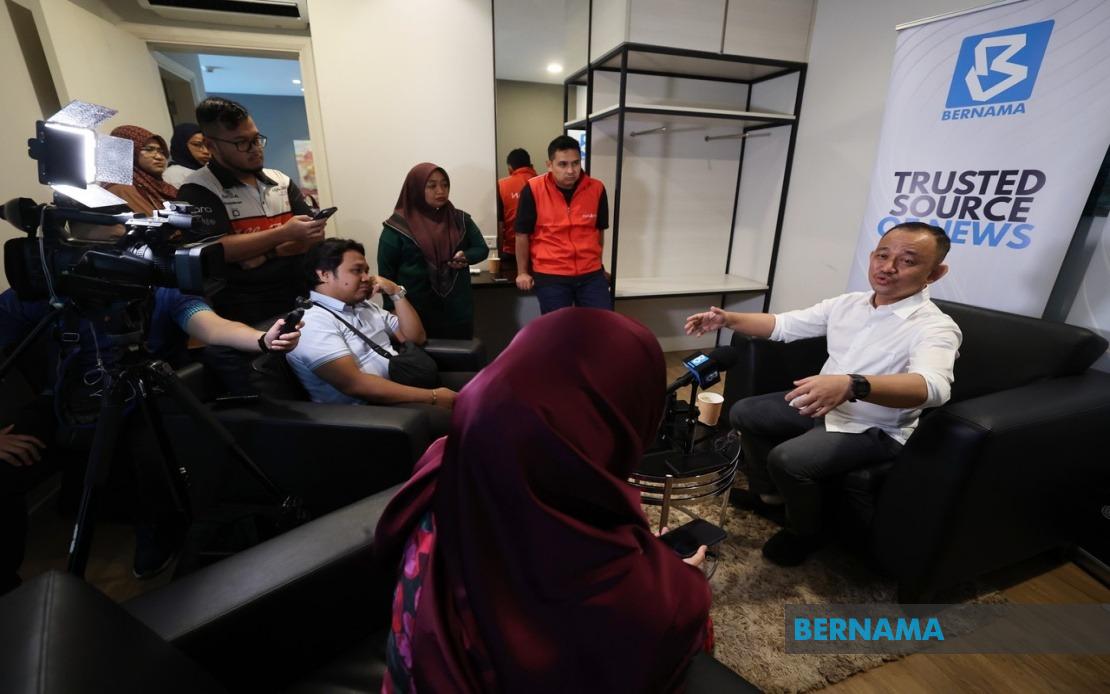
Dr Maszlee Malik, contesting the Puteri Wangsa state seat for Pakatan Harapan, underscored the coalition's commitment to respecting constitutional norms. In an interview, he stressed that PH has deliberately steered clear of internal discussions about the Menteri Besar appointment, viewing such matters as squarely within the Palace's domain according to the Johor State Constitution. This measured approach reflects a deliberate strategy to avoid the kind of leadership disputes that have plagued Malaysian politics in recent years, particularly following the dramatic political realignments that preceded the 2018 federal election.
The acknowledgement of the Sultan's prerogative represents a significant positioning statement for Pakatan Harapan. By explicitly deferring to the monarchy's constitutional powers, the coalition attempts to project institutional respect and stability—qualities that resonate with Malaysian voters who have grown weary of political brinkmanship. The decision also demonstrates an understanding that any post-election government's legitimacy depends heavily on proper observance of constitutional procedures and the cooperation of state institutions, including the Palace.
Maszlee emphasised that Pakatan Harapan's strategy centres on presenting a unified team rather than banking on individual personalities or star candidates. The coalition is contesting all 56 seats in the Johor assembly, and the party spokesperson characterised these 56 candidates collectively as their strongest asset. This framing deliberately moves attention away from speculation about leadership personalities and refocuses it onto the coalition's broader programme and its candidate pool's collective competence and experience.
The coalition's reluctance to pre-announce or discuss leadership appointments ahead of the election carries both strategic and practical implications. Pre-election assertions about who will hold which ministerial position can undermine campaign unity if those designated candidates fail to win their respective seats. Moreover, making such announcements before voters have cast their ballots risks alienating party members and supporters who may harbour their own preferences or believe they have legitimate claims to high office. The strategy of maintaining ambiguity on this front until after the ballots are counted allows flexibility and provides the Sultan with genuine discretion in choosing based on the actual post-election composition of the state assembly.
In Johor's political context, respect for the Sultan's role carries particular weight. The state boasts one of Malaysia's most cohesive royal institutions, and the Johor Palace exercises considerable influence over state affairs. The previous administration's relationship with the Palace became increasingly fraught in the closing years of the outgoing government's tenure, making the current coalition's emphasis on constitutional propriety an implicit rebuke of earlier governance failures. This distinction matters for voters assessing which coalition is better positioned to govern responsibly and cooperatively with key state institutions.
The social media speculation that prompted Maszlee's clarification reflects broader public interest in post-election arrangements. In Malaysian electoral politics, questions about cabinet composition and leadership appointments frequently emerge weeks before polling day, often driving wedges between coalition partners or creating unrealistic expectations. Pakatan Harapan's refusal to engage in such discourse signals discipline within its ranks and suggests that partner parties have agreed to maintain united public messaging during the campaign phase.
Maszlee's comment that PH does not depend on any single individual's credibility addresses a legitimate concern for opposition coalitions in Malaysia. The 2018 federal election victory rested heavily on the symbolic figure of former Prime Minister Mahathir Mohamad, and the subsequent collapse of that administration partly reflected over-reliance on key personalities rather than institutional arrangements and ideological cohesion. By consciously pivoting away from personality-driven politics, Pakatan Harapan appears intent on learning from those failures and building a more institutionally robust approach to governance.
The broader implications of this stance extend beyond Johor. If successful, the coalition's approach—respecting constitutional processes while building its campaign narrative around team performance and service delivery—could influence how opposition coalitions approach elections in other states. The emphasis on implementation capability and institutional respect, rather than dramatics around leadership appointments, represents a maturing of Malaysian electoral politics. It also sets expectations that future governments, regardless of composition, will respect constitutional protocols rather than engage in post-election manoeuvres that test the limits of executive power.
Packatan Harapan's positioning reflects confidence that it can win sufficient seats to form government without needing to negotiate leadership arrangements as a coalition-building exercise. Conversely, it also suggests the coalition partners have already worked out their understanding of how post-election roles will be distributed, allowing for public statements about respecting the Sultan's prerogative without creating internal tensions. The credibility of this arrangement will be tested only after July 11, when Johor voters render their verdict and the Palace proceeds with its constitutional duties.

