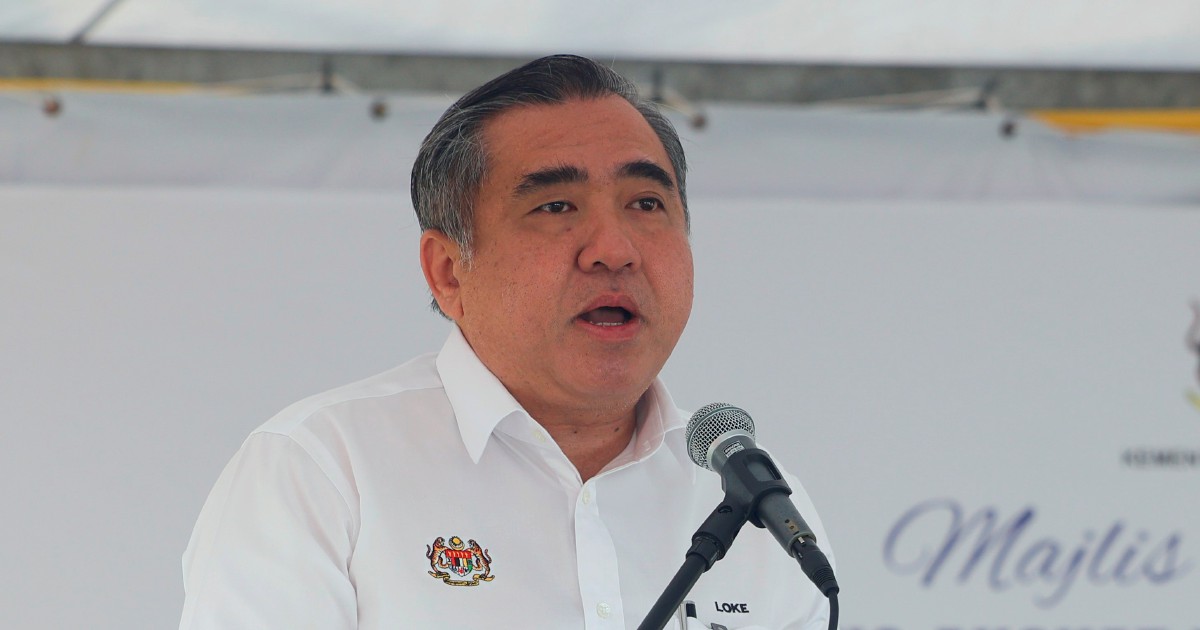
Pakatan Harapan has declared itself ready to face any political manoeuvres by rival coalitions in the forthcoming Negri Sembilan state election, with particular attention on the possibility that Barisan Nasional and Perikatan Nasional might coordinate their campaigns or form an electoral pact. The coalition, speaking through one of its senior representatives, has effectively signalled that it is not caught off guard by speculation about such an alliance and possesses strategies to counter it. This statement comes amid ongoing uncertainty about how Malaysia's fractious political landscape will shape state-level contests.
The mention of a potential BN-PN collaboration reflects the deeper structural shifts in Malaysian politics over recent years. Barisan Nasional, once the dominant political formation in Malaysia, has seen its influence wane following setbacks in recent national elections. Perikatan Nasional, by contrast, represents a more recent configuration of conservative and Islamist parties that has gained traction in several states. Whether these two groupings would formally cooperate or simply divide electoral territory to prevent vote splitting among their shared supporters remains an open question that Malaysian political observers are actively debating.
For Negri Sembilan specifically, this potential rival alliance carries particular weight. The state has been a stronghold of Pakatan Harapan support, and any erosion of that backing could fundamentally reshape the political balance. The coalition's readiness statement therefore serves a dual purpose: it reassures its own supporters that leadership has contingency plans, while simultaneously signalling to potential swing voters that PH is not complacent about the coming contest. State elections in Malaysia typically generate less national media attention than federal polls, yet they frequently determine the trajectory of national politics by signalling shifting voter sentiment.
The strategic environment facing Pakatan Harapan in Negri Sembilan is complex. The coalition must simultaneously defend its existing support base while potentially reaching out to voters who might be tempted by rival messaging. Any BN-PN arrangement would likely emphasise promises of development spending, religious conservatism, and traditional notions of Malay-Muslim dominance—all areas where PH's more pluralistic approach might face headwinds. Understanding the specific composition of such an alliance, were it to materialise, would be crucial for PH's campaign planning.
Negri Sembilan's demographic and geographic characteristics also matter greatly. The state includes both relatively urbanised areas around Seremban and more rural constituencies where political messaging can vary significantly. Traditional BN machinery, despite its decline, retains considerable organisational capacity in rural areas, which PH would need to counter through ground-level activism and outreach. The potential entry of PN forces would simply multiply the number of competitors for voter attention and resources.
From a Malaysian political perspective, the possibility of BN-PN cooperation at state level matters beyond Negri Sembilan alone. If such coordination proves successful here, it could serve as a template for other state elections, gradually reshaping the national political map. Conversely, if PH successfully defends its position despite rival cooperation, it would demonstrate the coalition's resilience and suggest that Malaysian voters have broadly accepted the post-2018 political settlement, despite recent tensions within PH itself.
The broader context of Malaysian politics must inform analysis of this situation. Since the 2022 federal election and the subsequent formation of the unity government combining PH and BN at the national level, state-level politics has become the primary arena for genuine competition. This has paradoxically created a situation where parties cooperate nationally while competing fiercely at state level. Negri Sembilan will be a test case for how this dual-layer politics develops, with particular implications for whether the unity government at federal level remains stable or whether electoral pressures force a realignment.
PH's confident posture regarding potential BN-PN strategies also reflects internal cohesion within the coalition. The alliance has weathered significant strains in recent years, including the departure of certain parties and leadership disputes. A strong showing in Negri Sembilan would demonstrate that PH has successfully stabilised itself and remains competitive despite these historical challenges. This electoral outcome would therefore carry symbolic weight beyond the state itself, potentially affecting how party members in other states perceive the coalition's durability.
The role of personality and local leadership cannot be overlooked in Malaysian state elections. Voter preference often centres on particular figures and their perceived track records of delivering development and managing state affairs. PH's confidence likely stems partly from strong local leadership and a perception of effective governance in areas where it holds sway. Whether rivals can overcome these advantages through their own local candidates or through superior coalition mechanics remains to be seen.
Looking forward, the Negri Sembilan election will provide valuable data about the current state of Malaysian electoral politics. It will reveal whether BN-PN cooperation is merely speculative or represents genuine strategic alignment. It will show whether PH's base remains solid or has softened. Most importantly, it will indicate whether Malaysian voters are accepting the broad political settlement that has emerged post-2022, or whether they are seeking alternatives. The confidence displayed by Pakatan Harapan leadership suggests they believe the evidence will favour them, but Malaysian politics has a history of confounding such expectations.

