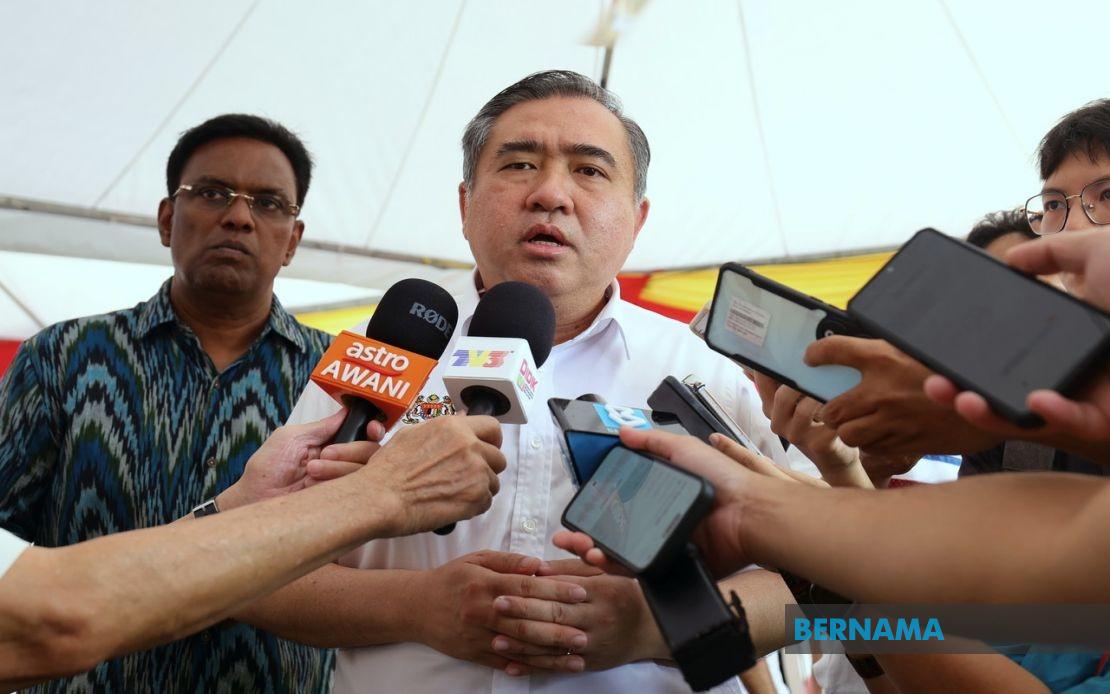
The opposition coalition Pakatan Harapan has signalled its readiness to navigate a complex political landscape in the forthcoming Negeri Sembilan state election, where rival camps may coordinate their campaign strategies. Speaking in Seremban on July 16, DAP secretary-general Anthony Loke projected confidence that the coalition would not be derailed by potential cooperation between Barisan Nasional and Perikatan Nasional, two traditionally competing political forces that could reshape the electoral contest.
Loke's assertion comes at a pivotal moment for Malaysian state-level politics. The Negeri Sembilan ballot will serve as a crucial test of voter sentiment, particularly given the shifting alignments that have characterised recent electoral contests. Drawing on lessons from the Johor state election, where similar tactical repositioning occurred among opposition parties, Loke argued that PH would maintain strategic focus on consolidating its internal machinery rather than reacting to opponents' moves. The DAP leader's measured tone suggests a deliberate approach aimed at projecting stability within the coalition while acknowledging external pressures.
A fundamental shift in Malaysian politics involves the potential realignment between BN and PN, two blocs that have previously competed fiercely for voter support. Should this cooperation materialise in Negeri Sembilan, it would concentrate opposition to PH's dominance in the state. Seat allocation negotiations between these parties, particularly involving PAS, have already begun generating speculation about constituency arrangements. Such alliances can fundamentally alter electoral mathematics, forcing incumbent coalitions to recalibrate resource deployment and targeting strategies.
At the core of PH's electoral strategy lies the cultivation of unity among its constituent parties—DAP, PKR, Amanah, and allied partners. Loke emphasised that maintaining cohesion within the coalition ranks represents the paramount priority, superseding speculation about opponents' tactics. This approach reflects a recognition that coalition fragmentation poses a greater threat than external political manoeuvring. The 2023 Selangor state election demonstrated how internal cooperation translates into electoral success, a template PH intends to replicate in Negeri Sembilan.
The question of Chinese voter allegiance adds another layer of complexity to the Negeri Sembilan contest. Claims circulate that sections of the Chinese electorate may migrate towards opposition parties, particularly MCA, which commands historical support among this demographic. Loke dismissed such assertions as premature speculation, noting that electoral campaigns often generate inflated claims regarding voter sentiment. This tension around community voting patterns reflects broader concerns about demographic shifts in Malaysian politics and the vulnerability of traditional party-voter relationships to disruption.
Central to PH's campaign messaging will be the track record of the Negeri Sembilan state government under Menteri Besar Datuk Seri Aminuddin Harun. Since assuming office in 2018, the administration has overseen six years of governance, providing a concrete platform upon which the coalition can justify continued public confidence. Incumbent administrations typically benefit from the ability to point to completed projects, policy implementations, and developmental achievements—intangible assets that opposition parties seeking office cannot easily counter.
The broader political context includes recent complications within PH's own ranks, particularly the rupture involving Melaka DAP's withdrawal from the state administration. The decision, prompted by disagreements over the appointment of nominated assembly members, has created internal tensions that could reverberate beyond Melaka. Loke's swift statement that the matter represents a final and settled issue suggests an attempt to contain the damage and prevent similar fractures from emerging in other state chapters. However, the Melaka precedent serves as a cautionary tale regarding the challenges of managing coalition partners with divergent interests.
The MADANI Adopted Village initiative, which Loke officially launched during his Negeri Sembilan visit, underscores the government's investment in rural development. Critics have suggested that such programmes acquire heightened visibility during election periods, a charge Loke rebuffed by emphasising continuous implementation across all ministries since 2025. This initiative encompasses village infrastructure improvements, school development, and community welfare support—tangible benefits that resonate with voters in constituencies beyond urban centres. The selection of Kampung Baru Mantin and Kampung Mantin Dalam, alongside Sekolah Jenis Kebangsaan Cina Chung Hua Mantin, reflects targeted engagement with both rural and Chinese-medium educational communities.
Loke's dual role as Transport Minister and Chennah assemblyman positions him centrally in Negeri Sembilan politics, allowing him to coordinate both ministerial prerogatives and state-level electoral positioning. This combination of responsibilities enables him to leverage federal resources for state benefit while maintaining credibility on ground-level issues affecting constituents. Such multi-level political influence remains valuable in Malaysian elections, where voters often assess politicians based on their ability to channel development benefits.
The Negeri Sembilan election will ultimately reflect broader national political trends. Regional contests serve as barometers for federal-level political health, with outcomes influencing perceptions about governing coalition viability and opposition capacity. A successful PH showing would reinforce the coalition's position as the dominant political force, while setbacks could embolden rivals and trigger internal questioning about strategy and leadership. For Southeast Asian observers, Malaysian state elections increasingly attract attention as indicators of political stability and democratic health in the region.
As the campaign intensifies, both PH and its rivals will calibrate messaging to address voter concerns spanning economic management, communal relations, and service delivery. The Negeri Sembilan contest remains fluid, with outcomes dependent not merely on coalition manoeuvring but on substantive voter judgements about which political forces best serve state interests. Loke's confidence appears grounded in tangible governance performance and coalition discipline, yet the potential BN-PN coordination represents a genuine electoral challenge that will test PH's organisational depth and voter support.

