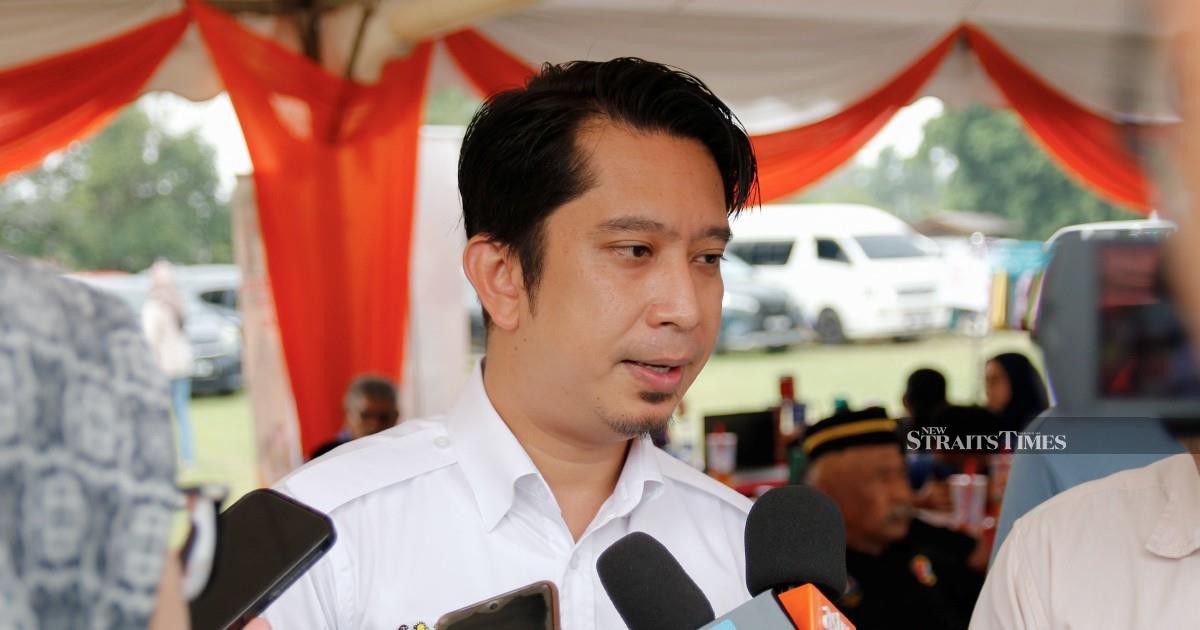
Any prospect of political cooperation between Pakatan Harapan and Barisan Nasional in the forthcoming Melaka state election remains in limbo, with no official discussions having taken place between the two major coalitions, state PKR chief Adam Adli Abdul Halim indicated on Tuesday. The delay in initiating formal dialogue suggests that both blocs are still weighing their strategic options ahead of the electoral contest in the southern peninsular state, a region where shifting political allegiances have frequently determined electoral outcomes in recent years.
Adam Adli's remarks come at a time when political observers in Malaysia have been anticipating whether the two coalitions might set aside their rivalry to reach some form of electoral arrangement in Melaka. The state has proven to be politically volatile, with control shifting between competing alliances multiple times in recent election cycles, making it a barometer for broader trends in Malaysian politics. The absence of formal negotiations at this juncture suggests that either coalition may still be testing the waters regarding what terms, if any, might prove acceptable to both sides.
The timing of such discussions carries particular significance for Melaka, where demographic changes and emerging voter preferences have altered the political landscape considerably over the past decade. Both PH and BN have competing visions for governance in the state, and preliminary negotiations would typically address issues such as seat allocation, campaign coordination, and shared policy positions. The fact that these conversations have not yet been formalised indicates that the groundwork required before productive dialogue can begin may still be incomplete.
For Pakatan Harapan, entering into negotiations with Barisan Nasional would represent a pragmatic reassessment of its political strategy following mixed results in recent electoral contests. The coalition, which came to power federally in 2018 before losing that mandate in 2022, has been attempting to rebuild its electoral standing at state and local levels. Any arrangement in Melaka would need to balance PH's desire to strengthen its grassroots appeal with the practical realities of competing against a coalition as historically entrenched as BN in certain constituencies.
Barisan Nasional, meanwhile, continues to navigate its own post-2022 transformation. The coalition has been consolidating its position in states where it maintains strong institutional advantages, and Melaka's electoral dynamics suggest that BN retains considerable organisational capacity there. Whether BN is inclined to seek accommodation with PH rather than contest the election independently remains unclear, and the absence of formal talks may reflect BN's confidence in its ability to perform well without such an arrangement.
The electoral mathematics in Melaka present both coalitions with complex strategic calculations. Neither is assured of victory without careful planning, and any formal negotiations would inevitably require detailed discussions about which parties would field candidates in which constituencies and under what conditions they might pledge mutual support. Such granular discussions are typically preceded by high-level political agreements on principles, which appear not yet to have been reached between the two coalitions' leadership.
From a Malaysian political perspective, the potential for PH-BN cooperation in Melaka would signal a broader shift in how the country's major coalitions view electoral competition and governance. Since 2020, when political realignments followed the collapse of the PH government, Malaysian politics has been characterised by fluid and unpredictable arrangements at the state level. Melaka could either reinforce this trend of flexible coalitions or mark a return to more traditional rivalry between the two major blocs.
For voters in Melaka, the absence of formal talks at this stage means that campaign platforms and electoral choices remain undetermined. The state's electorate has grown accustomed to choosing between competing visions during campaigns, and the current hiatus in negotiations suggests that the major parties are still formulating their respective strategies independently. This period may ultimately prove advantageous to either coalition, depending on which can more effectively mobilise support based on local issues and candidate appeal.
Observers monitoring Malaysian politics will be watching closely for any signals that formal discussions between PH and BN are about to commence in relation to the Melaka election. Such talks, when and if they occur, would likely be conducted with considerable discretion given the sensitivity of coalition arrangements in Malaysian electoral politics. The delay in initiating these conversations underscores the complexity of bridging the ideological and organisational differences that have historically separated Pakatan Harapan and Barisan Nasional.
As the election timeline in Melaka becomes clearer and campaign preparations intensify, political parties will face increasing pressure to finalise their strategies. Adam Adli's clarification that no formal negotiations are currently underway should be understood not as a definitive statement about whether such talks might occur, but rather as confirmation that as of now, Pakatan Harapan and Barisan Nasional remain in a holding pattern regarding potential cooperation. The coming weeks will likely prove decisive in determining whether either coalition makes the move towards formal discussions.

