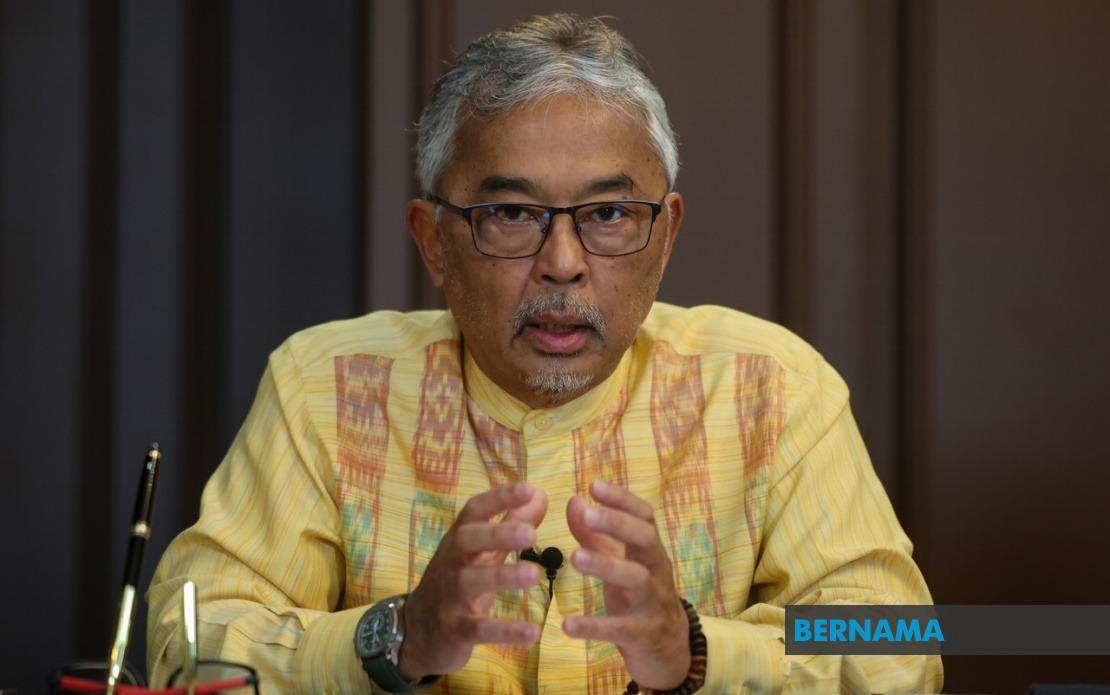
The Sultan of Pahang, Al-Sultan Abdullah Ri'ayatuddin Al-Mustafa Billah Shah, has issued a directive requiring every local authority across the state to undertake systematic assessments of mature and elderly trees that may endanger the public. The instruction, issued in Kuantan, reflects growing concern about tree-related safety hazards and follows a series of incidents in which falling trees have claimed lives and caused injuries to residents throughout the region.
The royal directive emphasises the need for these inspections to be thorough and conducted on an ongoing basis rather than as one-time exercises. Local authorities have been tasked with identifying trees in potentially dangerous condition, with particular attention given to specimens located in high-traffic zones including public spaces, highway verges, neighbourhood precincts, and other frequently visited locations. The Sultan stressed that the evaluation process must be comprehensive, ensuring no hazardous trees are overlooked in the assessment phase.
Central to the directive is the expectation that once inspections reveal trees posing safety risks, responsible authorities must act swiftly to mitigate those dangers. The Sultan made clear that waiting for accidents to occur before taking preventive measures is unacceptable, warning that complacency could lead to preventable deaths and injuries. This proactive stance reflects a shift toward risk anticipation rather than reactive response to public safety crises.
The timing of this intervention is significant within the Malaysian context, where monsoon seasons and tropical weather patterns regularly trigger tree falls in urban and residential areas. Pahang, being one of Malaysia's largest states with diverse geographical terrain, faces particular challenges in managing vegetation across dispersed communities and major urban centres. The Sultan's instruction essentially sets a benchmark for preventive municipal governance that other states may be expected to follow.
According to the royal statement issued through official channels, early identification and remedial action are critical to preventing loss of life, injuries, and property damage. This framing positions tree management not merely as an aesthetic or environmental concern, but as a fundamental public health and safety issue requiring sustained attention from local authorities. The Sultan's emphasis on prioritising public safety underscores the seriousness with which this matter is being treated at the highest levels of state leadership.
For local authorities in Pahang, the directive creates both an obligation and a liability framework. Councils and municipal bodies must now allocate resources for systematic tree audits, likely requiring specialist arborists to assess structural integrity, disease, root damage, and other factors affecting stability. The directive's emphasis on regular, ongoing assessments implies that one-time inspections will be insufficient; authorities must establish ongoing monitoring protocols to detect changes in tree condition.
The recent incidents referenced in the Sultan's statement have highlighted the real dangers posed by urban forestry management failures. Throughout Malaysia and the broader region, extreme weather events combined with inadequate tree maintenance have led to preventable casualties. By issuing this directive, the Sultan is addressing a gap in municipal service delivery that has become increasingly visible to the public and politically salient for state leadership.
Implementing this directive will require coordination between multiple local authorities, the state government, and potentially private contractors specialising in arboriculture and tree safety assessment. The costs associated with large-scale tree inspection and remediation programmes can be substantial, potentially straining municipal budgets. Nevertheless, the royal directive makes clear that such expenditure is now a non-negotiable priority for Pahang's local authorities.
This intervention also reflects broader trends across Malaysia regarding royal leadership on public welfare issues. When sitting monarchs issue direct instructions on municipal management, it signals that the matter transcends routine bureaucratic operations and commands attention at the highest political level. Such directives often catalyse faster implementation and more serious resource allocation than standard administrative channels might generate.
The implications extend beyond immediate tree safety. The Sultan's directive essentially calls for a cultural shift in how local authorities approach urban forestry and environmental management. Rather than addressing problems after they create public harm, authorities are expected to adopt predictive, preventive approaches. This aligns with contemporary best practices in municipal management where data-driven risk assessment guides resource allocation and policy decisions.
For residents across Pahang, the directive may result in visible changes to the urban landscape as hazardous trees are removed or treated, and routine maintenance increases. While some may experience temporary inconvenience from tree removal or street work, the underlying safety improvement represents a tangible benefit of enhanced local governance. Public confidence in municipal authorities' willingness and ability to prioritise resident safety can be strengthened through visible implementation of such directives.

