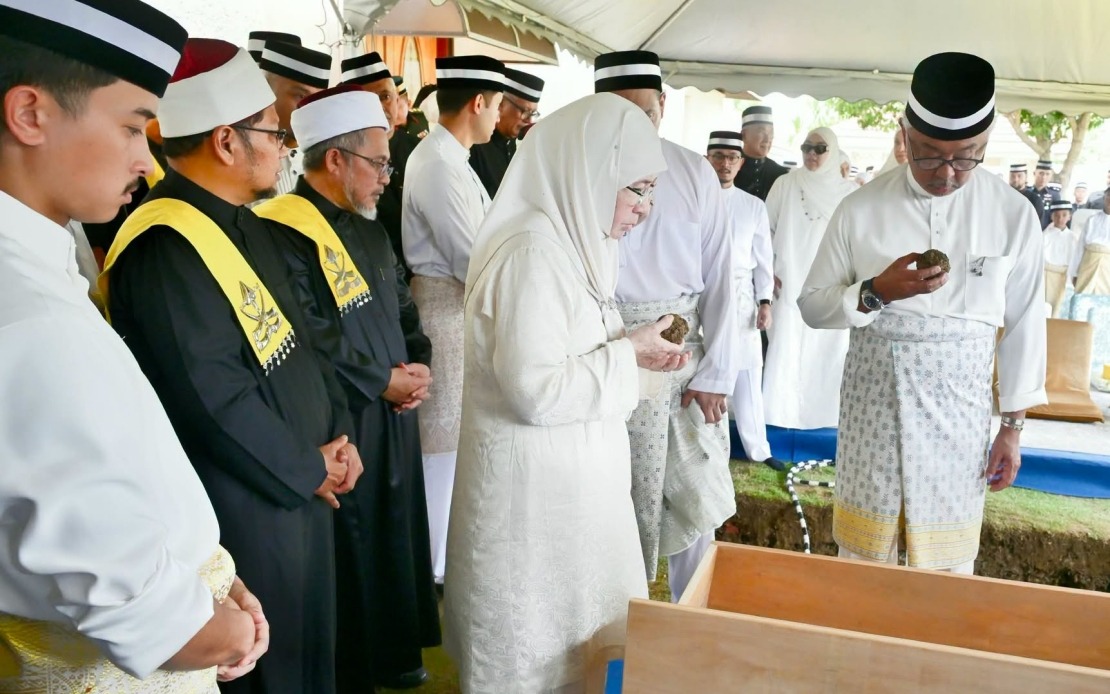
The Pahang royal family is observing three days of formal mourning following the passing of Tengku Puteri Seri Kemala Tengku Datuk Seri Aishah, who served as the elder sister to Al-Sultan Abdullah Ri'ayatuddin Al-Mustafa Billah Shah, the current Sultan of Pahang. The sultan has directed all members of the royal household to participate in the mourning observance, which commenced on Wednesday and is scheduled to conclude on Saturday, underscoring the significance of the loss within the state's royal circles.
The death of Tengku Puteri represents a considerable blow to the Pahang royal establishment, particularly affecting Sultan Abdullah and Tengku Ampuan of Pahang Tunku Azizah Aminah Maimunah Iskandariah, who have lost a close family member. The loss reverberates across the broader Pahang monarchy and the state's institutions that draw their ceremonial leadership from the royal household. Such occasions typically prompt periods of reflection on the continuity and stability of the institution within Malaysia's federal system of constitutional monarchy.
Maj Gen Datuk Mohamed Zahari Yahya, serving as Comptroller of the Royal Household of the Sultan of Pahang, announced the mourning arrangements through an official statement, outlining the specific protocols that family members must observe during this period. The formal declaration of mourning customs reflects the structured nature of royal observances in Malaysia, where such occasions follow established traditions and etiquette that have developed over generations within the sultanate system.
During the three-day period, members of the Pahang royal family are required to wear white garments as a sign of respect and grief, a practice rooted in Islamic and Malay royal traditions. Male members of the royal household have been additionally instructed to observe supplementary dress codes as part of the formal mourning protocol. These visible markers serve both as expressions of familial loss and as public indicators of the royal household's status during a period of bereavement, maintaining the dignified character expected of Malaysia's constitutional monarchy.
Tengku Puteri passed away at a private hospital in Kuala Lumpur at 9:15 pm on Wednesday, concluding a life spent within the upper echelons of Malaysia's royal hierarchy. The timing and location of her death represent the contemporary reality of Malaysia's royal families, who often utilise the country's premier medical facilities in the capital city despite maintaining primary residences in their respective states. Following her death, arrangements were promptly made to transport her remains back to Pahang for funeral rites.
The funeral proceedings reflected the respect accorded to a senior member of the Pahang royal line, with interment taking place at the Royal Mausoleum located in Pekan, the state capital and traditional seat of Pahang's sovereignty. This final resting place, reserved for prominent members of the royal family, underscores Tengku Puteri's standing within the state's institutional hierarchy. The decision to lay her to rest in Pekan rather than elsewhere reinforces the connection between the royal family and their home state, even in death.
The Comptroller's statement extended an invitation to the people of Pahang to participate in the collective expression of grief by reciting Al-Fatihah, the opening chapter of the Quran, and offering prayers on behalf of the deceased. This public dimension of mourning demonstrates how royal losses in Malaysia extend beyond the palace walls to encompass the broader populace, particularly within the state where the royal family maintains ceremonial and constitutional responsibilities. Such inclusion of the people in formal mourning reflects the Islamic principles that guide Malaysia's constitutional monarchy and the spiritual bonds between rulers and subjects.
The religious framework underpinning the mourning period emphasises prayers for Tengku Puteri's soul to receive divine forgiveness, mercy, and a place in paradise—concepts central to Islamic belief and practice. The Comptroller's articulation of these spiritual wishes serves to unite the mourning observance with Islamic teachings, providing a coherent spiritual context for the three-day period. This religious dimension distinguishes the mourning from merely ceremonial observance, instead rooting it in the faith that permeates Malaysia's constitutional and social fabric.
Tengku Puteri's death occurs within the broader context of Malaysia's monarchy system, where the nine Malay sultanates maintain distinct protocols and traditions even as they operate within the framework of the Malaysian federation. The Pahang mourning period, while specific to one state's royal family, reflects patterns of succession, loss, and continuity that characterise the sultanate institutions across the nation. Understanding such royal affairs provides insight into the parallel structures of governance and ceremony that exist alongside the federal government.
For Malaysian observers and international stakeholders monitoring the nation's institutions, the formal observance of royal mourning serves as a reminder of the constitutional significance of the sultanates within Malaysia's political architecture. Though the Sultan of Pahang operates primarily within a ceremonial capacity in the contemporary federation, the respect accorded to royal deaths and the careful protocols observed during such periods underscore the enduring cultural and constitutional importance of the monarchy. The three-day mourning thus represents not merely a family observance but a reaffirmation of institutional continuity and values.
The Pahang royal family's mourning period also occurs in an era when communication about such events reaches audiences instantaneously through official statements and media coverage. The Comptroller's public announcement ensured that citizens throughout Pahang and beyond understood both the fact of Tengku Puteri's passing and the manner in which the royal household would observe this loss. This transparency, while maintaining the dignity of the occasion, reflects contemporary expectations regarding access to information about matters of state and royal significance.
As the three-day mourning period unfolds, the Pahang royal household continues fulfilling its constitutional and ceremonial functions while simultaneously honouring the memory of a senior member whose passing marks the passage of time within Malaysia's institutional hierarchies. The period serves as an occasion for reflection on the role of the sultanates in Malaysian society and the ways in which traditions of respect and remembrance remain central to the nation's identity, even as the country navigates twenty-first-century challenges and transformations.

