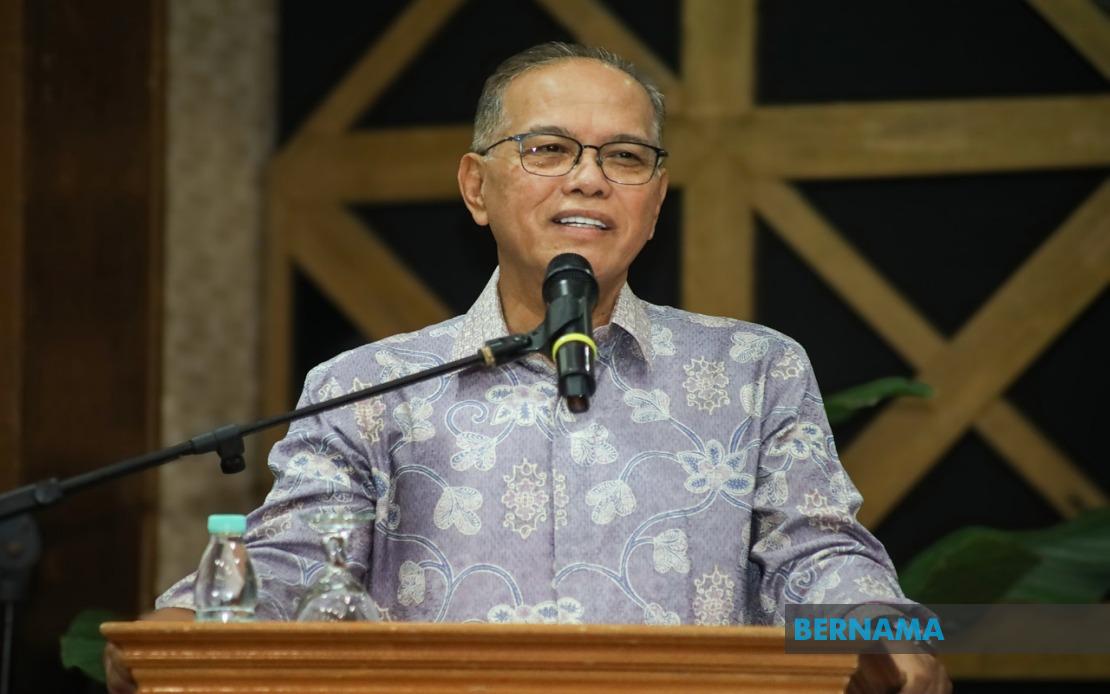
Menteri Besar Datuk Seri Wan Rosdy Wan Ismail has announced that Pahang is committing over RM5 million annually to strengthen its technical and vocational education and training sector, signalling the state's serious commitment to building a competitive workforce. The funding represents a strategic pivot towards human capital development that increasingly characterises state governments across Malaysia seeking to position themselves as attractive destinations for manufacturing and industrial investment.
The allocation encompasses multiple initiatives designed to create a comprehensive skills ecosystem across the state. Infrastructure upgrades and expanded training facilities at Pahang Skills, development programmes under TVET Pahang Talent Development, and establishment of the Pahang Rail Academy all represent diversified approaches to workforce preparation. This multi-pronged strategy suggests recognition that different industries and sectors require tailored training pathways rather than one-size-fits-all solutions.
Wan Rosdy articulated a forward-looking philosophy during his address at the 50th anniversary celebration of Politeknik Sultan Haji Ahmad Shah (POLISAS), emphasising proactive workforce development rather than reactive hiring. His comments reflect a growing understanding among state policymakers that economic competitiveness depends on having trained talent ready before investors arrive, rather than scrambling to develop workers after industrial projects are already underway. This approach aligns with regional competition among Southeast Asian states to attract foreign direct investment by demonstrating workforce readiness.
The emphasis on anticipatory skills development carries particular significance for Pahang, a state with substantial geographic expanse and existing manufacturing capabilities. By preparing young workers before major economic opportunities materialise, the state aims to ensure local youth capture employment positions rather than seeing skilled migrant workers brought in to fill gaps. This has both economic and social implications for rural communities and smaller towns across Pahang that often lose working-age populations to urban centres.
POLISAS, which was established in 1976 and has graduated over 60,000 professionals, occupies an important position within Pahang's TVET landscape. The menteri besar's hope that the institution continues as a strategic partner underscores recognition of established institutions' ongoing value within evolving educational ecosystems. Over nearly five decades, POLISAS has accumulated institutional knowledge and industry connections that newer programmes cannot immediately replicate, making its partnership essential for scaling TVET quality across the state.
Bridge-building between educational institutions and industry represents another crucial dimension of Pahang's strategy. Wan Rosdy emphasised the need to strengthen ties with the commercial sector to ensure classroom learning translates into workplace readiness. This concern reflects persistent complaints from employers across Malaysia that graduates, despite holding qualifications, lack practical competencies demanded by modern industries. The gap between theoretical knowledge and applied skills has emerged as a critical challenge for TVET systems regionally, with countries like Singapore and Thailand making notable progress through structured industry-academic partnerships.
Looking beyond state-level initiatives, Wan Rosdy articulated expectations for federal support through Budget 2027. His appeal for special consideration reflects ongoing tensions regarding resource distribution between Kuala Lumpur and state governments. Pahang's geographic size—it is among Malaysia's largest states by area—creates genuine infrastructure and development challenges that require sustained funding. The menteri besar's argument that budgetary allocations should reflect these realities rather than focusing narrowly on infrastructure like roads and healthcare highlights how TVET investment competes with multiple other spending priorities within constrained state resources.
The broader context of this announcement involves Malaysia's national skills shortage, which has become increasingly apparent across manufacturing, construction, hospitality, and healthcare sectors. Regional competitors like Thailand and Indonesia have made significant investments in vocational education, creating risk that Malaysia loses competitive advantage in attracting industrial investment if workforce skills lag. State-level initiatives like Pahang's therefore contribute to addressing a national challenge, though effective human capital development requires consistent coordination between state and federal education authorities.
Wan Rosdy's comments regarding the state budget tabling scheduled for November reveal priorities that extend beyond TVET to encompass education more broadly, economic development, social welfare, infrastructure, and religious promotion. This comprehensive approach suggests recognition that workforce development alone cannot succeed without complementary investments in social stability, community development, and economic diversification. The menteri besar's statement that existing budgets must improve upon previous years suggests political pressure to demonstrate tangible improvements in resource allocation and development outcomes.
The timing of this announcement, coinciding with POLISAS's 50th anniversary, carries symbolic weight. Celebrating institutional longevity while simultaneously announcing fresh investment sends signals to both educational stakeholders and potential investors about Pahang's commitment to continuous improvement within skills development. It also provides opportunity to reflect on decades of workforce contributions from POLISAS graduates and extrapolate future roles for technical education within Pahang's economic development pathway.
For Malaysian policymakers and businesses monitoring state-level initiatives, Pahang's investment approach offers a model worth examining. The emphasis on infrastructure, industry partnerships, and proactive workforce preparation before economic opportunities materialise represents sophisticated economic strategy. Whether this translates into measurable improvements in graduate employment, productivity gains among workers, or enhanced capacity to attract investment will become apparent over coming years, making this a significant development to monitor within Malaysia's ongoing TVET transformation.

