A catastrophic boat accident in northwestern Nigeria's Sokoto State has claimed the lives of over 40 people, the majority of them children, after an overloaded vessel capsized while transporting farmers and agricultural workers to their fields. The disaster occurred near Gorau town in Goronyo Local Government Area on Thursday, with witnesses and local officials confirming the death toll continues to rise as recovery operations progress.
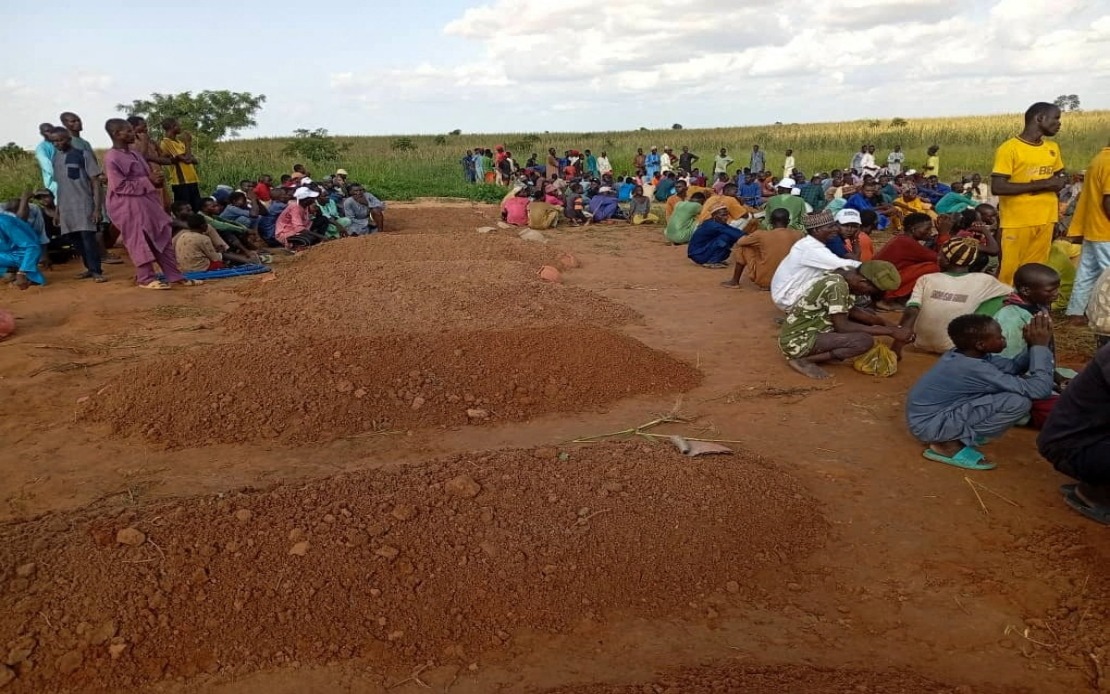
According to Abdulkadir Yusuf, the Sokoto state manager of Nigeria's National Inland Waterways Authority (NIWA), initial estimates placed fatalities at approximately 40, though he cautioned that final figures remained unconfirmed as bodies continued to be recovered from the waterway. However, eyewitness accounts suggest the actual death toll may be considerably higher, with one observer reporting roughly 47 bodies laid out at a community mosque in Gorau awaiting burial ceremonies scheduled for Thursday evening. The victims were wrapped in traditional cloth and mats, a somber indication of the scale of the tragedy.
Nasiru Adamu, a state legislator representing the constituency in the Sokoto State House of Assembly, provided additional details about those aboard the doomed vessel. He stated that the boat was carrying nearly 70 passengers when it went down, with the majority being children between 10 and 15 years old. Adamu confirmed that whilst recovery teams had retrieved over 40 bodies from the river, 16 survivors had been rescued, and ongoing search operations were focused on locating any remaining missing persons as rescue divers worked through the waterway.
The human cost of the tragedy was painfully evident in personal accounts from the affected community. Samaila Garba, a 55-year-old resident, recounted the loss of his 13-year-old granddaughter, Jamila Usman, among the victims. In his grim count of bodies at the mosque, Garba identified at least 42 casualties, observing that the deceased were predominantly women and children—a pattern consistent with broader reports of who was aboard when the boat overturned.
The circumstances surrounding the capsizing revealed the dangerous conditions under which many Nigerians conduct their daily business. Passengers had embarked on the vessel intending to reach farms in the region for seasonal rice planting and harvesting activities. The combination of overloading the boat beyond safe capacity and the absence of adequate safety precautions created conditions ripe for disaster, a scenario that has become distressingly familiar across Nigeria's vast network of inland waterways.
This tragedy arrives amid mounting international concern regarding maritime safety standards on Nigeria's inland waterways, where systemic failures continue unchecked. Overcrowding of passenger vessels, inadequate maintenance of boats, and consistently weak enforcement of existing safety regulations have created an environment in which fatal accidents occur with alarming regularity. The problem intensifies during the rainy season when water levels rise and travel by water becomes more frequent, yet vessel conditions often deteriorate further during this period.
The pattern of preventable disasters extends beyond the immediate region. Just eight months earlier, in January, a separate incident in Yobe state in northeastern Nigeria claimed at least 25 lives when a boat developed a serious leak and subsequently capsized. These recurring tragedies suggest a systemic failure in regulatory oversight, vessel maintenance protocols, and enforcement mechanisms designed to protect passenger safety across Nigeria's waterway network.
For Malaysian observers, the Sokoto disaster underscores comparative advantages in regional maritime safety enforcement and the importance of rigorous compliance standards. While Southeast Asia maintains its own maritime challenges, particularly in less-regulated river transport corridors in countries like the Philippines and Cambodia, established maritime authorities across ASEAN nations have generally implemented more stringent vessel inspection regimes and capacity restrictions than those currently enforced in Nigeria's inland waterways sector.
The immediate aftermath of the Sokoto incident saw local rescue teams and divers continuing their dangerous work to recover remaining bodies and confirm the final casualty count. The community gathered at mosques and gathering spaces to mourn the lost, with many families facing the devastating reality of losing multiple household members in a single event. Local authorities faced mounting pressure to provide transparent accounting of the victims and to explain how such a heavily overloaded vessel was permitted to operate without intervention.
Understanding the broader context of Nigeria's transportation challenges reveals why such accidents persist despite their tragic frequency. The country's limited infrastructure connecting rural agricultural regions to markets has created heavy reliance on water transport networks. Many communities in waterway-dependent zones lack alternative transportation options, forcing residents into increasingly dangerous conditions as they seek to conduct essential economic activities. This structural reality means that simple safety awareness campaigns or occasional enforcement crackdowns prove insufficient without fundamental improvements to transport infrastructure and regulatory systems.

