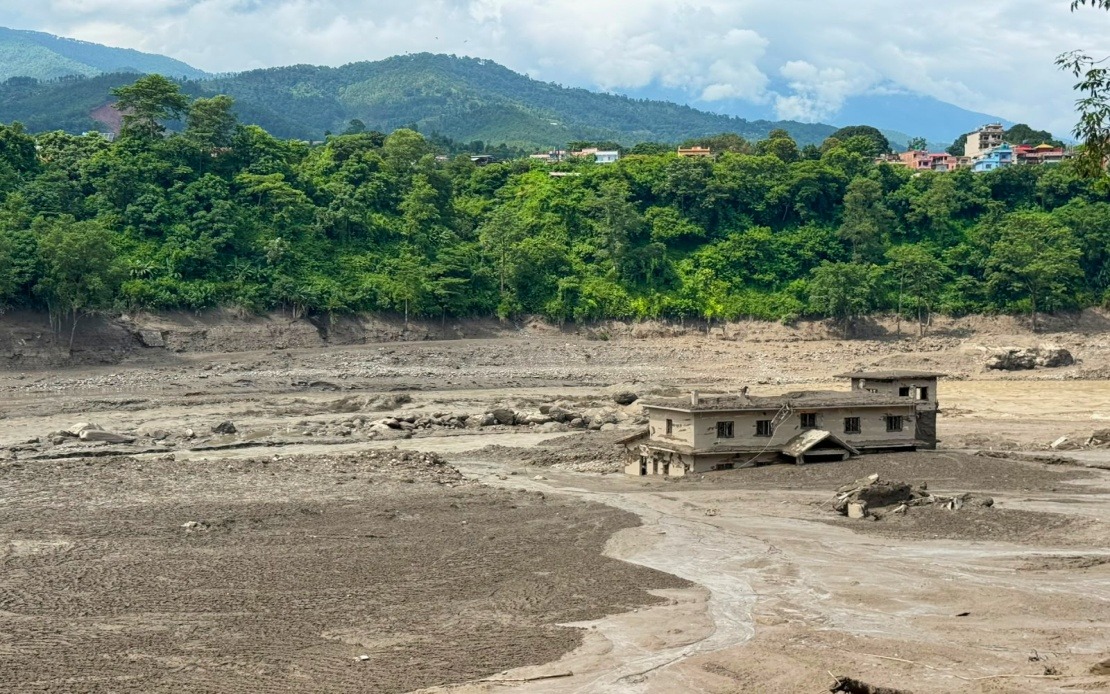
Nepal's tourism sector faces a mounting crisis following destructive flooding that has left more than 380 tourists unaccounted for, according to officials from the Nepal Tourism Board. Among the missing are 291 international visitors and 93 Nepali nationals, creating one of the region's most significant travel disasters in recent memory. The board released preliminary figures on Wednesday based on agency-wide records compiled from tourism operators and travel companies operating across the affected areas.
The missing persons span multiple nationalities, reflecting Nepal's popularity as a destination for trekking, mountaineering, and cultural tourism. Indian nationals make up the largest group of unaccounted foreigners at more than 100, followed by 17 Malaysians whose families have expressed urgent concern for their safety. Britons account for 12 of the missing, while four South Africans, three United States citizens, one Australian, and one Dutch national are also unaccounted for. An additional 111 individuals whose nationalities remain unconfirmed add further complexity to the verification process.
For Malaysian travellers and their families, the presence of 17 nationals among the missing represents a serious concern for the country's tourism safety profile in the region. Nepal has long attracted Malaysian adventurers seeking high-altitude treks in the Himalayas and cultural experiences in Kathmandu, making this incident particularly significant for the Malaysian travel community. The Malaysia External Representation Office and relevant authorities are likely coordinating with Nepali counterparts to locate and assist affected citizens.
The Nepal Tourism Board emphasized that the figures represent preliminary agency-wise tallies that are currently undergoing verification and cross-checking. Coordination between travel agencies, mountain guides, local authorities, and security agencies remains ongoing to confirm the status of each person and gather additional information about their locations and circumstances. This verification process is critical, as preliminary counts in disaster situations frequently shift as communication networks are restored and more accurate information emerges from affected communities.
The geographical scope of the flooding extends across multiple regions where tourism is a primary economic activity. Nepal's tourism infrastructure, particularly in mountain and valley regions, has been severely tested by the disaster. Downstream communities have been placed on high alert by authorities, anticipating potential secondary flooding and further deterioration of conditions. The timing of the disaster during what is typically a peak tourism season compounds the severity of the situation, as many trekking expeditions and guided tours would have been underway when flooding began.
The incident underscores the vulnerability of tourism operations in mountainous regions prone to extreme weather events. Trekking groups and tour operations in Nepal often operate in remote areas with limited communication infrastructure, making it difficult to quickly account for all participants when disasters strike. Flash floods in Himalayan valleys can develop with little warning, sweeping away camps, bridges, and villages with devastating speed. The time required to establish communication with isolated groups and coordinate rescue efforts remains a critical challenge.
For the broader Southeast Asian tourism industry, this event raises important questions about disaster preparedness and emergency response protocols. Malaysia and other regional countries that send significant numbers of tourists to Nepal will likely review safety guidelines and emergency procedures with tour operators. Travel insurance companies and tourism boards across the region are expected to examine coverage gaps and policy implications arising from such large-scale incidents.
Nepal's tourism economy, already strained by previous natural disasters and the pandemic-related travel disruptions, faces renewed challenges as news of the flooding spreads. International tour operators and travel agencies will reconsider the safety profiles of various trekking routes and tourism products. The country's reputation as a destination, built over decades, may require substantial rebuilding efforts through improved disaster management systems and enhanced communication infrastructure in vulnerable areas.
Government responses in Nepal and coordinating nations will likely focus initially on immediate search and rescue operations. Access roads to affected areas must be cleared, and helicopter reconnaissance missions launched to locate missing groups. The establishment of command centres to coordinate multinational rescue efforts, medical facilities to treat survivors, and family liaison units to communicate with anxious relatives overseas will occupy authorities' immediate attention.
The incident also highlights the interconnected nature of modern travel and the global consequences of regional disasters. Families in Malaysia, India, Britain, and other countries await news from Nepal, placing diplomatic and humanitarian pressure on authorities to prioritize rescue operations. International media coverage of such incidents influences global travel patterns and destination choices for years afterward, making the quality and transparency of Nepal's disaster response crucial for the country's long-term tourism recovery.
As investigations progress and verification continues, the final count of missing persons may change. However, the current figures already represent a significant humanitarian crisis requiring coordinated international response. For Malaysian officials and travel industry professionals, this event serves as a sobering reminder of the unpredictability of natural disasters and the importance of maintaining robust emergency protocols for citizens abroad.

