The 16th Negeri Sembilan state election will see unprecedented participation from the security forces, with 22,339 officers and personnel from the Royal Malaysia Police and Malaysian Armed Forces eligible to cast votes during an early polling session scheduled for July 28. This substantial cohort represents a significant administrative undertaking for electoral officials in the state, reflecting the logistical demands of accommodating uniformed personnel who are often deployed during election periods.
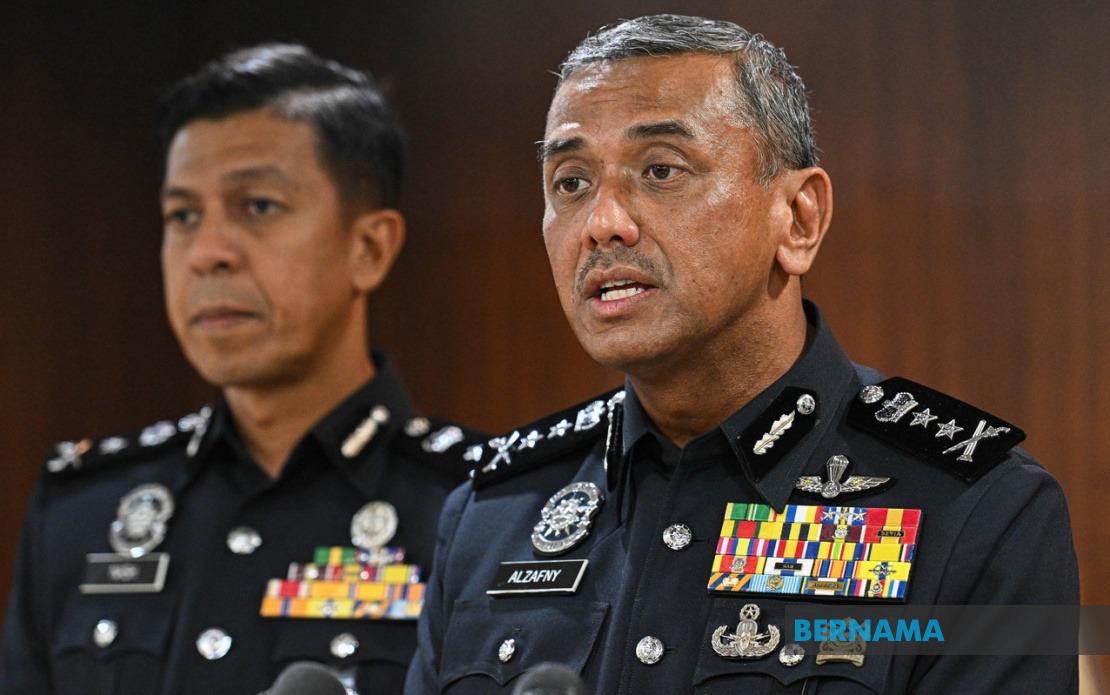
According to Negeri Sembilan police chief Datuk Alzafny Ahmad, the early voter contingent comprises two distinct groups: 5,455 officers and personnel from the Royal Malaysia Police forces in the state, supplemented by 16,884 members of the Malaysian Armed Forces and their respective spouses who meet the eligibility requirements for early voting. This composition underscores the substantial military and police presence in Negeri Sembilan and acknowledges the family members of security personnel as legitimate participants in the electoral process, even while their relatives undertake national service obligations.
The operational framework for managing these votes demands considerable coordination among law enforcement agencies. On the early voting day itself, Datuk Alzafny indicated that 1,796 officers and personnel will be strategically deployed across all operational zones to facilitate the process smoothly. This deployment strategy reflects broader election security protocols that have become standard across Malaysian federal elections and state-level contests, where maintaining order and protecting the integrity of the voting process requires substantial human resources.
Security arrangements extend across the entire electoral cycle for Negeri Sembilan. During nomination day this coming Saturday, the police force will position 2,393 personnel at various locations to ensure proceedings remain orderly and compliant with electoral regulations. Throughout the campaign period leading to polling day, an additional 1,685 personnel will maintain a presence across constituencies to monitor compliance and respond to any emerging issues. When Negeri Sembilan residents proceed to cast their votes on August 1, the deployment will expand further to 4,788 personnel, reflecting the heightened security requirements on the main polling day when electoral activity reaches its peak.
Beyond the logistical arrangements for early voting, Datuk Alzafny has issued stern reminders to all political parties contesting the election regarding conduct expectations during the campaign phase. The police chief emphasised that all candidate supporters must exercise discipline and restraint, with political parties held accountable for ensuring their followers do not engage in conduct that would compromise the orderly progression of electoral activities. This directive addresses a longstanding concern in Malaysian elections: the potential for campaign activities to escalate into confrontational situations that undermine the peaceful nature of the democratic process.
The Royal Malaysia Police has prioritised several specific areas of electoral conduct that require careful monitoring throughout the campaign period. Party candidates and their supporters are expected to refrain from initiating provocative actions, organising unauthorised public processions, disseminating unverified information, making derogatory statements about opponents, promoting hate speech, or articulating positions that could fracture communal harmony in the multiethnic context of Malaysian society. These prohibitions extend beyond traditional campaign rhetoric to encompass digital platforms, where social media content has increasingly become a flashpoint for electoral tensions in recent Malaysian polls.
A particular emphasis has been placed on safeguarding three sensitive domains within electoral discourse: matters pertaining to religion, issues of race and ethnicity, and respect for the Royal Institution. The police have clarified that this protective framework applies comprehensively to political speeches delivered at campaign events, written materials distributed by parties and candidates, official statements released to media organisations, and all content shared through social media channels. This multifaceted approach reflects accumulated experience from previous elections where inflammatory rhetoric in these domains has occasionally triggered community friction.
Datuk Alzafny has also appealed to all candidates, their supporters, and the broader voting public to demonstrate maturity in accepting electoral outcomes once the Election Commission announces official results. While the franchise inherently includes the right to contest results deemed illegitimate or problematic, such challenges must proceed through established legal channels rather than through street action or other extralegal means. This framing positions acceptance of election results as a civic responsibility essential to protecting public order and preserving national peace, particularly important in a diverse society where electoral tensions can occasionally intersect with pre-existing communal sensitivities.
The electoral timeline for Negeri Sembilan has been formally established by the Election Commission with precision. Nomination day is scheduled for this Saturday, allowing candidates to formally register their candidacies and begin official campaigning. Early voting for eligible personnel will occur on July 28, providing security force members and their families an opportunity to participate despite potential deployment during the main polling period. The general election day has been designated for August 1, when all eligible voters throughout Negeri Sembilan will determine the composition of their state assembly.
For Malaysian observers of electoral processes, the Negeri Sembilan contest represents a valuable case study in managing large-scale participation by security personnel while maintaining the integrity and perceived fairness of the democratic exercise. The coordination required to accommodate over 22,000 early voters, combined with the deployment of nearly 5,000 personnel on main polling day, demonstrates the substantial state apparatus dedicated to ensuring Malaysian elections proceed according to constitutional requirements and democratic principles.
The heightened security preparations also reflect broader national concerns regarding electoral integrity and public order. As Malaysia continues to refine its electoral processes following various reforms and recommendations, the Negeri Sembilan election serves as an opportunity to test procedures and protocols that may inform future federal-level contests. The emphasis on preventing the spread of false information and maintaining civility throughout the campaign period indicates responsive adaptation to contemporary challenges posed by the digital information landscape, where misinformation can rapidly circulate and potentially influence electoral dynamics.

