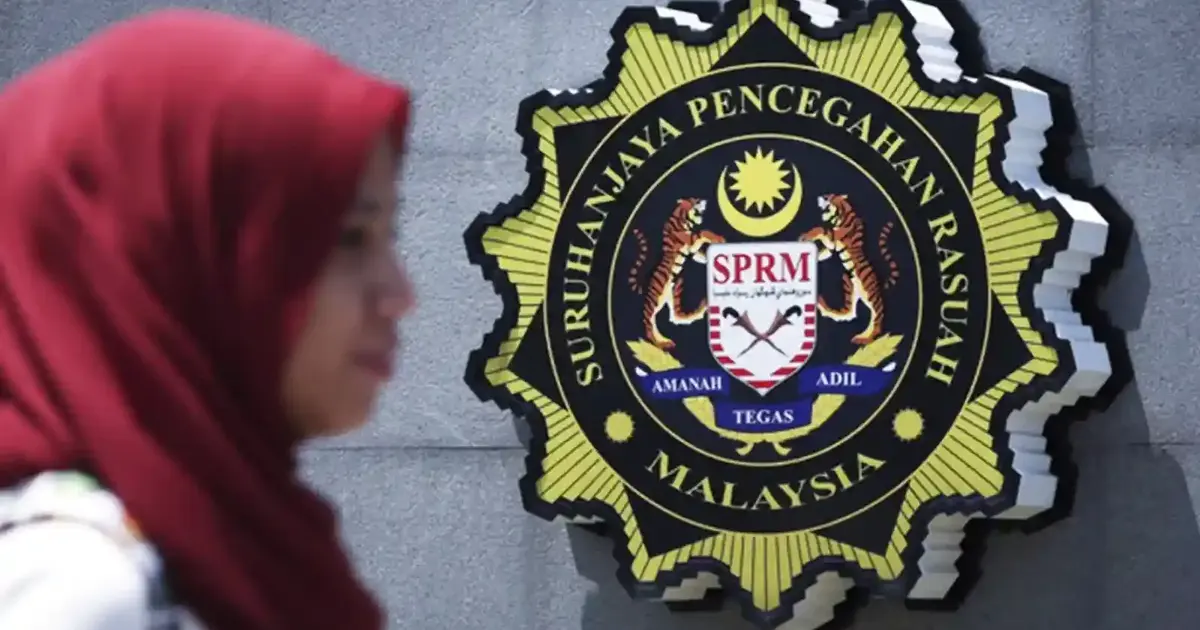
The Malaysian Anti-Corruption Commission has mounted one of its largest operations targeting abuse of the Social Security Organisation's (Perkeso) benefits system, announcing that more than 100 suspects will ultimately be prosecuted for submitting fraudulent claims. The scale of the enforcement action underscores growing concerns about systemic exploitation of Malaysia's social safety net, which serves millions of workers across the formal and informal sectors.
To date, 29 individuals have been formally charged in proceedings across multiple states, representing the initial wave of a broader investigative sweep that authorities suggest will continue for several more months. The charges follow months of scrutiny into suspicious claims patterns and irregularities flagged through Perkeso's internal audit mechanisms and subsequent cross-referencing with anti-corruption databases. The breadth of geographical spread indicates the problem transcends specific regions and may reflect nationwide vulnerabilities in claims verification procedures.
Perkeso, which provides employment injury protection, invalidity benefits, and other social insurance coverage to Malaysian workers, processes hundreds of thousands of claims annually. The volume of transactions and the complexity of verifying claims across dispersed applicants create potential openings for deliberate misrepresentation. False claims might involve exaggerating injury severity, concealing continued employment while drawing benefits, submitting fraudulent medical documentation, or falsifying biographical information to qualify for assistance. Each category carries distinct legal implications and sentencing considerations.
The investigation highlights persistent challenges in closing administrative gaps within Malaysia's welfare infrastructure. While Perkeso has implemented digital systems and documentation requirements, determined individuals have apparently devised methods to circumvent controls. The discovery of systematic fraud patterns suggests isolated instances of dishonesty rather than random, opportunistic abuse—pointing potentially to organised schemes or coordinated networks exploiting the system's vulnerabilities. This distinction matters significantly for enforcement strategy and policy remediation.
For ordinary Malaysian workers legitimately accessing Perkeso benefits, the fraud crackdown carries mixed implications. Tighter verification processes may delay legitimate claims or require additional documentation, creating temporary friction in an already bureaucratic system. Conversely, rooting out fraudulent claimants theoretically preserves benefit fund integrity and ensures resources reach genuinely entitled workers. The tension between convenience and security requires careful navigation to avoid punishing honest applicants while deterring bad actors.
The MACC's involvement rather than routine law enforcement reflects the agency's classification of benefit fraud as a corruption matter warranting specialist investigation. This positioning elevates the investigation's profile and typically results in more stringent prosecution. Individuals convicted face potential imprisonment, fines, or asset seizure depending on offence severity and amounts involved. The magnitude of penalties shapes deterrent effects and public perception of consequences.
From a Southeast Asian perspective, Malaysia's targeting of social security fraud mirrors regional trends as nations strengthen governance of expanding welfare programmes. Indonesia, Thailand, and the Philippines have similarly launched investigations into benefits system abuses as social spending increases and digital systems reveal previously hidden irregularities. Malaysia's approach may serve as a regional template for balancing enforcement rigour with programme accessibility—a balance that policymakers across the region struggle to achieve.
The investigation also illuminates evolving fraud methodologies as technology advances. While sophisticated criminals exploit digital systems, unsophisticated claimants may succeed through basic document falsification or deliberate omission of relevant information. The diversity of perpetrator profiles—potentially ranging from individuals in genuine financial desperation to coordinated syndicates—suggests anti-fraud measures must operate at multiple sophistication levels simultaneously.
Beyond immediate prosecutions, the broader implications concern systemic reform. Perkeso and government oversight bodies will likely implement enhanced verification procedures, cross-agency data-sharing arrangements, and analytical systems designed to flag suspicious patterns. These improvements require investment but reduce vulnerability to future exploitation. The incident demonstrates that even well-intentioned social programmes require continuous vigilance and periodic recalibration as fraudsters adapt tactics.
The timing of the enforcement action reflects broader government priorities around fiscal responsibility and institutional integrity. As Malaysia manages competing budgetary demands and seeks to project competence in governance, public demonstration of corruption-fighting credentials carries political value. The MACC's visibility in investigating white-collar offences against government programmes reinforces messaging that institutions take wrongdoing seriously regardless of perpetrator profile.
Civil society observers will scrutinise whether enforcement remains proportionate and whether vulnerable individuals—potentially facing charges after committing small-scale fraud under financial pressure—receive equitable treatment. The distinction between criminally prosecuting desperate workers and pursuing organised syndicates involves ethical considerations beyond legal technicalities, though Malaysia's legal framework generally treats all fraud equally.
As the investigation continues and additional charges emerge, policymakers will gather evidence for designing more resilient social security administration. The transition from reactive enforcement to proactive prevention through system redesign will ultimately determine whether this crackdown represents a temporary correction or the foundation for sustained improvement in benefits programme integrity.

