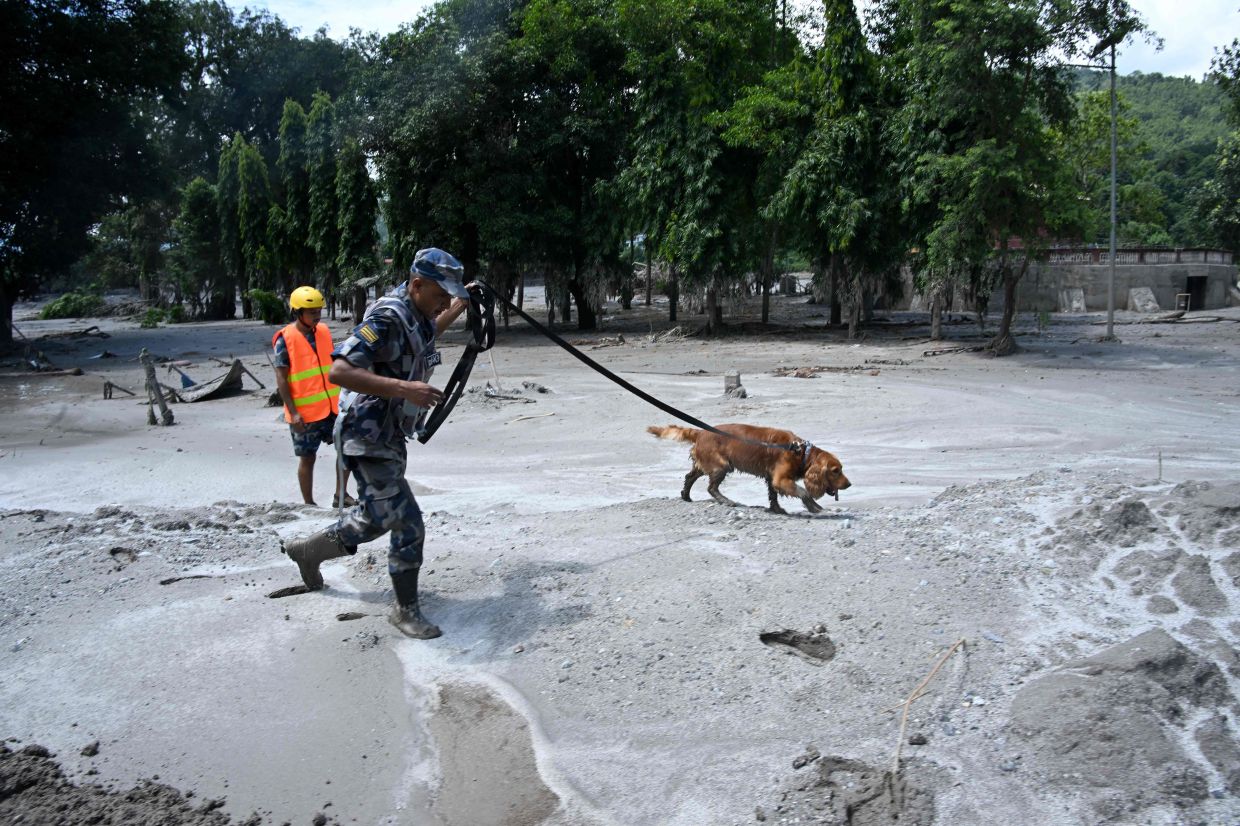
A humanitarian crisis of unprecedented scale has engulfed the Nepal-Tibet border region following devastating flash floods and landslides that have claimed at least 392 confirmed lives and left more than 1,400 people unaccounted for across the mountainous terrain. The twin disasters have affected vast swathes of the remote region, triggering an intense international search and rescue operation as multiple countries grapple with accounting for their missing nationals caught in one of the deadliest natural disasters to strike the area in recent years.
The precise casualty figures remain fluid as authorities in both Nepal and China continue recovery operations and identification efforts. Officials acknowledge that the numbers are likely to shift considerably in coming days and weeks, a pattern that typically accompanies major catastrophes. The volatility stems from several complicating factors inherent to disaster response in remote mountainous regions: cases of double-counting involving dual nationals navigating multiple country databases, the protracted process of matching recovered bodies with lists of missing persons, and the inherent chaos and communication breakdowns that characterize large-scale emergency situations. Both upward and downward adjustments to casualty figures are anticipated as authorities refine their data collection methodology.
On the Nepali side of the border, disaster management officials reported 910 people unaccounted for as of Thursday, August 27, including a substantial contingent of at least 517 foreign nationals whose individual nationalities had not been immediately categorised. Meanwhile, across the frontier in Tibet, Chinese authorities documented 558 missing persons, comprising 260 foreigners and 298 Chinese nationals. The combined figure of 1,468 missing across both jurisdictions underscores the transnational dimensions of this calamity, with the tourist season and the region's popularity among trekkers and mountaineers meaning significant numbers of visitors were present when disaster struck.
Malaysia faces a particularly acute situation with Prime Minister Anwar Ibrahim confirming that more than 50 Malaysian nationals remain unreachable in the disaster zone. The Nepal Tourism Board's figures align closely with this assessment, listing 51 Malaysians among those unaccounted for. For Malaysia—a nation whose citizens regularly traverse Nepal's tourism circuits—the incident has prompted urgent diplomatic coordination to locate and assist affected nationals. The vulnerability of Malaysian travellers to such regional disasters highlights the inherent risks associated with adventure tourism in geologically unstable mountain environments.
The international scope of the missing persons extends far beyond Asia. The United States faces one of the largest contingents, with the State Department accounting for 90 American citizens unaccounted for, though three have reportedly been rescued and no confirmed American fatalities have been recorded. India has reported 178 missing nationals, while Australia's Foreign Minister Penny Wong announced that 39 Australian nationals are unaccounted for. Canada's Foreign Affairs Ministry stated it remains concerned about 30 Canadians and permanent residents whose whereabouts and safety remain unconfirmed, a figure exceeding the Nepal Tourism Board's earlier count of 25 Canadians.
European nations have similarly reported significant numbers of missing citizens. The United Kingdom accounts for 33 unaccounted nationals, whilst Germany, Russia, and Latvia each report eight, eight, and six missing citizens respectively. France has identified four missing nationals. The disaster has also affected New Zealand, Japan, and South Korea, with New Zealand confirming five missing nationals, Japan reporting five, and South Korea's foreign ministry stating that nine hydropower workers in the Rasuwa district remain out of contact following the flooding.
Ukraine's foreign ministry provided an update Thursday evening, reporting that 56 Ukrainian nationals remained out of contact but crucially noted that according to available verified information, no Ukrainians had been identified among the injured or deceased, suggesting potential positive developments for that contingent. Singapore's authorities confirmed that nine Singaporean nationals are among the missing, whilst South Africa reported six unaccounted nationals. The geographic distribution of missing persons across nearly two dozen countries underscores how the tourism and commercial pathways connecting the region create international dimensions to what might otherwise be a primarily local disaster.
The discrepancies between figures released by the Nepal Tourism Board and official national government sources reveal the challenge of establishing coherent accounting during major emergencies. For instance, Chinese authorities initially suggested nearly 100 Chinese nationals were unaccounted for in Nepal, whilst the Nepal Tourism Board listed only 24, highlighting the data coordination problems that persist even among formal governmental channels. Similarly, Canada's foreign affairs ministry identified 30 missing Canadians against the tourism board's figure of 25, suggesting that some individuals may not have officially registered their travel or that reporting mechanisms capture different subsets of the affected population.
The concentration of missing persons—particularly the large number of foreign tourists and trekkers—reflects the region's importance as a destination for international adventure seekers during the summer tourism season. The Nepal-Tibet border area, renowned for its Himalayan trekking routes and natural attractions, draws tens of thousands of visitors annually. The timing of this disaster during peak tourist season has amplified the international character of the tragedy, with visitors from wealthy industrialised nations substantially represented among the missing. This pattern has significant implications for how regional governments and international organisations respond, as pressure from multiple developed nations to locate and rescue nationals will shape resource allocation and diplomatic priorities.
For Malaysia and other Southeast Asian nations, the disaster carries sobering implications regarding the risks inherent to tourism activities in geologically vulnerable regions. Nepal sits along the collision boundary between the Indian and Eurasian tectonic plates, making it one of the world's most seismically and hydrologically active zones. Flash floods and landslides pose recurring seasonal threats, yet the unprecedented scale of this event suggests that climate change may be intensifying weather patterns and increasing disaster frequency. Regional governments may need to reassess travel advisories and public awareness campaigns regarding disaster risks in popular tourist destinations.
The search and rescue operation itself faces enormous logistical challenges given the remote terrain, limited road infrastructure, and ongoing risk of secondary disasters in destabilised mountainous terrain. Rescue teams from both Nepal and China, bolstered by international assistance, must navigate treacherous ground conditions whilst managing the psychological strain of working in a major active disaster zone. The recovery of deceased persons for identification purposes will require sustained effort, particularly given that many bodies may be distributed across inaccessible mountain slopes and valleys. International cooperation will prove essential to ensuring that nationals from all affected countries receive equitable treatment and that families separated by the disaster eventually obtain definitive information about their loved ones' fates.

