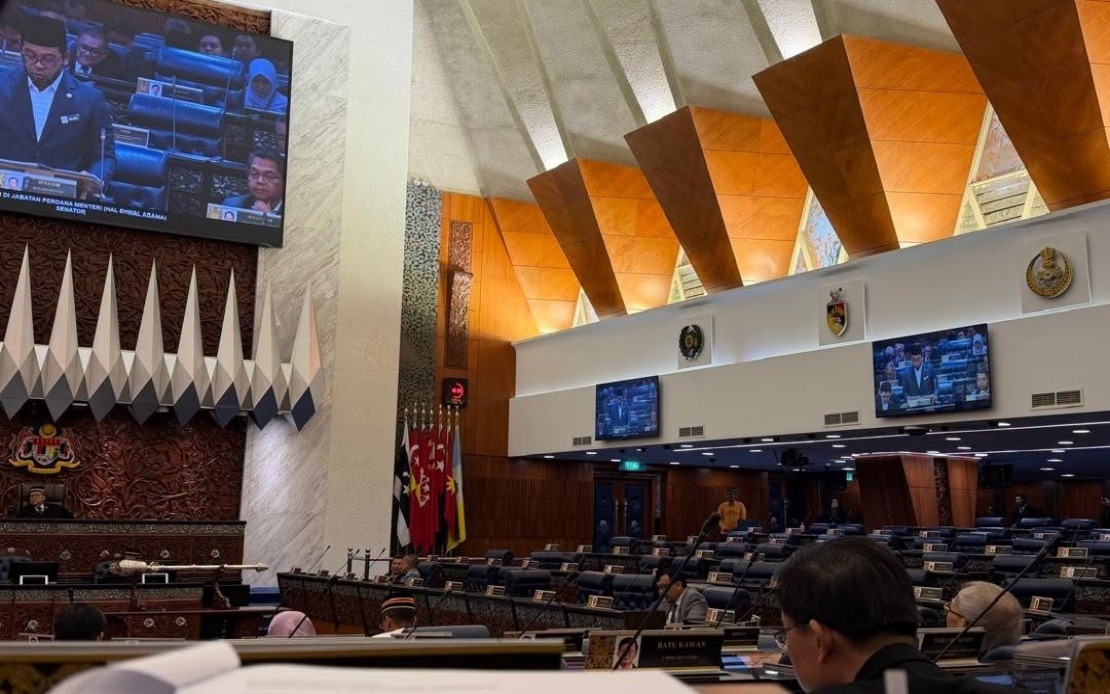
The opposition's decision to abandon parliamentary proceedings during a special Dewan Rakyat sitting in Kuala Lumpur has ignited fresh tensions between the government and opposition benches over how seriously each side treats accountability in Malaysia's most significant Islamic fund. The walkout, orchestrated before Minister in the Prime Minister's Department for Religious Affairs Dr Zulkifli Hasan could present briefings on the Royal Commission of Inquiry findings into Lembaga Tabung Haji, prompted sharp rebukes from the government coalition, with MADANI Government Backbenchers Club chairman Datuk Seri Dr Zaliha Mustafa questioning the authenticity of opposition claims to champion Islamic principles and Muslim interests.
The opposition's exit from the chamber centred on procedural objections rather than substantive disagreements with the RCI's investigation itself. Perikatan Nasional chief whip Datuk Seri Takiyuddin Hassan had proposed postponing the sitting after noting the absence of Prime Minister Datuk Seri Anwar Ibrahim and Deputy Prime Minister Datuk Seri Fadillah Yusof, both currently undergoing medical treatment. When Speaker Tan Sri Johari Abdul proceeded regardless, opposition MPs collectively abandoned the chamber in protest, effectively preventing the government from defending its position on the RCI's recommendations before Parliament.
The Tabung Haji inquiry itself carries enormous symbolic weight within Malaysian politics. The fund manages savings belonging to millions of Muslim Malaysians preparing for the hajj pilgrimage, making questions about its stewardship deeply personal for a significant portion of the electorate. The RCI report's findings, whatever they may reveal about past mismanagement or governance failures, directly affect the financial security of ordinary Muslim depositors across the nation. Any serious parliamentary debate on these matters should theoretically command the attention of all MPs, particularly those claiming to represent Muslim constituents' interests.
Dr Zaliha's critique centred on what she characterised as a fundamental contradiction in opposition positioning. For months, opposition politicians have presented themselves as stalwart protectors of Islam and Muslim welfare, she argued, yet when Parliament created an opportunity to directly interrogate government decisions on the Tabung Haji matter through structured debate and cross-examination, the opposition chose symbolic protest over substantive engagement. Her contention suggests that opposition MPs sacrificed an advantageous platform for meaningful scrutiny in favour of a display of principle that, from the government's perspective, merely masks strategic weakness.
The procedural complaint about the Prime Minister's absence, while technically valid, presents a weak foundation for boycotting proceedings when the specific purpose of the sitting was to brief Parliament on findings that concern all MPs regardless of coalition affiliation. Opposition members could have remained to question Dr Zulkifli Hasan directly, challenged specific RCI conclusions with documentary evidence or expert counter-arguments, and constructed a parliamentary record of their objections for public consumption. The absence of the Prime Minister does not prevent substantive scrutiny of a minister's briefing.
For Malaysian voters attempting to assess where genuine commitment to financial transparency and Islamic institutional integrity actually lies, the opposing positions create a confusing picture. The government claims it respects the RCI process sufficiently to allocate parliamentary time for formal discussion. The opposition, by walking out, implicitly suggests that formal parliamentary discussion of the RCI report is less important than making a point about attendance procedures. This inverts ordinary expectations about how serious organisations prioritise competing interests.
The decision also reflects a broader dynamic within Malaysian parliamentary politics where symbolic gestures and procedural objections sometimes eclipse substantive policy debate. Both major coalition blocs possess the capacity to manufacture walkouts, point-scoring speeches, and dramatic confrontations that satisfy partisan audiences but advance national discourse minimally. When the stakes involve genuine questions about stewardship of Muslim savings, however, the opportunity cost of choosing theatre over testimony becomes particularly acute.
Dr Zaliha's challenge directly to the opposition—asking what they truly want from the Tabung Haji inquiry—underscores the difficulty opposition parties face when their traditional rhetorical positioning (defenders of Islam, guardians of transparency, champions of ordinary Muslim interests) conflicts with tactical calculations about when to engage and when to withdraw from formal proceedings. If opposition MPs genuinely believe the RCI report contains flawed conclusions or that government responses are inadequate, Parliament provides the ideal arena to construct that case with documentary precision and oratorical force. Their absence surrenders that advantage.
The incident also carries implications for how Malaysian institutions manage crises of confidence in major public bodies. Tabung Haji's reputation depends partly on public perception that all political forces—government and opposition alike—take its governance seriously enough to prioritise scrutiny over procedure. When opposition MPs abandon the chamber, depositors may reasonably wonder whether their elected representatives care more about partisan advantage than the security of their savings. Trust in institutional accountability requires consistent demonstration that all stakeholders treat the subject matter with gravity.
Looking forward, this episode establishes a marker for how opposition parties navigate the trade-offs between procedural objections and substantive engagement. Should similar situations arise with other major national inquiries or reports, the precedent now exists for opposition withdrawal. Conversely, the government will likely cite this moment when responding to future opposition demands for special parliamentary sittings or accelerated debate schedules, suggesting that the opposition does not consistently value the parliamentary forum for serious scrutiny. The political cost of the walkout may extend well beyond the immediate Tabung Haji discussion.

