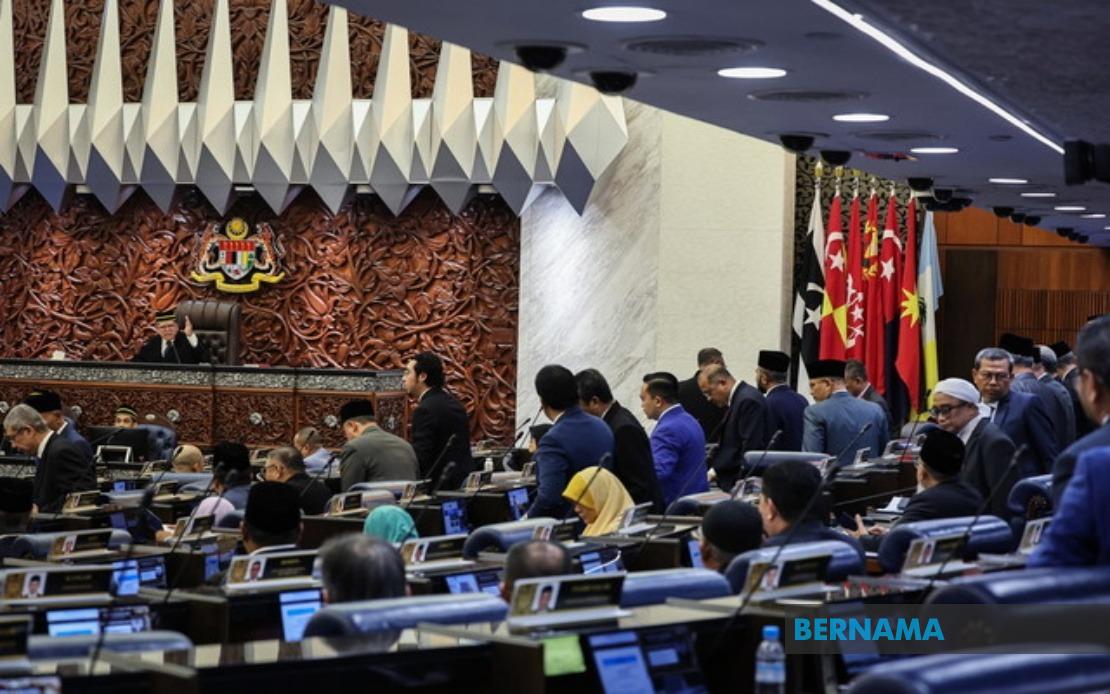
In a contentious parliamentary moment this week, Perikatan Nasional opposition members staged a walkout from the Dewan Rakyat to protest the absence of Prime Minister Datuk Seri Anwar Ibrahim and Deputy Prime Minister Datuk Seri Fadillah Yusof, both undergoing medical treatment. The boycott prevented the MPs from participating in scheduled debate on the Royal Commission of Inquiry report into Lembaga Tabung Haji, the Islamic pilgrimage savings fund at the centre of a major financial scandal affecting hundreds of thousands of ordinary Malaysians.
The walkout, led by Opposition Leader Datuk Seri Hamzah Zainudin along with PN Chief Whip Datuk Seri Takiyuddin Hassan and PN chairman Datuk Seri Dr Samsuri Mokhtar, raises a fundamental question about the responsibility of elected representatives when critical issues demand attention. The Tabung Haji RCI findings, made public on July 29 following government approval to disclose the inquiry's conclusions, represent a watershed moment for an institution entrusted with the savings of Muslim Malaysians preparing for the Hajj pilgrimage. For the opposition to voluntarily absent itself from this debate requires careful examination.
Universiti Sains Malaysia School of Social Sciences lecturer Prof Datuk Dr Sivamurugan Pandian offered a nuanced critique of the tactic, suggesting that while the walkout succeeded as political theatre, it may have undermined the opposition's broader credibility with affected Tabung Haji depositors. His assessment distinguishes between the symbolic power of a walkout and the substantive value of remaining engaged in legislative proceedings. The academic points out that parliamentary debate creates an official record of arguments, positions, and proposals that can be referenced and defended long after the immediate political moment has passed.
The professor's central argument rests on the principle that Parliament functions most effectively as an institution of checks and balances when opposition voices remain active participants in discourse. By leaving the chamber, opposition MPs forfeited the opportunity to place their concerns directly into the parliamentary record, which would carry legal and historical weight regarding Tabung Haji governance and depositors' rights. The permanent record of debate, he suggests, ultimately proves more valuable than the temporary publicity generated by a dramatic exit.
At the same time, Sivamurugan acknowledges legitimate frustration among opposition lawmakers regarding the Prime Minister's absence from such a sensitive debate. The symbolic weight of a premier's presence at proceedings concerning a major financial institution cannot be dismissed as trivial. When citizens learn that their highest elected official did not attend parliamentary discussion of their savings and financial security, reasonable questions arise about the government's priorities and commitment to accountability. The opposition's anger reflects genuine democratic concerns about executive engagement with legislative scrutiny.
The professor suggests, however, that the opposition possessed more effective weapons had they chosen to remain seated. By staying in the chamber, PN members could have voiced forceful criticism of the Prime Minister's absence while simultaneously launching detailed questioning about the RCI's findings, mobilising evidence and data to support their positions, and placing concrete proposals on the table regarding remedial action for affected depositors. Such an approach transforms a grievance into a substantive platform for advancing alternatives, rather than leaving audiences with only the symbolism of protest.
Interestingly, the fact that some opposition members declined to participate in the walkout reveals fractures within the opposition bloc itself. These divisions suggest that assessments of the strategy's effectiveness are not uniform among those theoretically sharing common cause. Different perspectives on whether walkouts serve parliamentary democracy well indicate thoughtful MPs grappling with tactical choices rather than unanimous endorsement of the tactic. This internal disagreement strengthens Sivamurugan's argument that remaining and debating represented a defensible alternative approach.
For Malaysian depositors in Tabung Haji, the practical implications of the walkout deserve consideration. These individuals, many of modest means, have placed savings with the institution over years or decades in preparation for fulfilling one of Islam's five pillars. The RCI inquiry presumably examined governance failures, financial mismanagement, or other systemic problems that necessitated the investigation. Opposition MPs walking away from debate about these findings effectively surrenders their voice in that critical conversation, leaving the government's interpretation and proposed remedies largely unchallenged on the record.
The episode also reflects broader tensions in Malaysian parliamentary practice regarding the balance between protest and participation. Walkouts and boycotts have become increasingly common tools in adversarial politics globally, often deployed to signal dissatisfaction with government conduct or procedures. Yet each such action carries opportunity costs: the departing members cannot simultaneously debate, cross-examine, advocate, or propose alternatives. The question for any opposition movement becomes whether the publicity value of dramatic exit exceeds the substantive value of remaining engaged.
Sivamurugan's framework suggests that in matters directly affecting citizens' welfare, the substantive value should weigh more heavily. Tabung Haji depositors require their elected representatives to fight robustly for their interests through every available mechanism. Parliamentary debate, testimony on record, documented proposals, and persistent questioning all represent tools unavailable to those who have walked out. The public record created through such engagement becomes evidence of either responsible representation or abandonment of duty.
Moving forward, both government and opposition might consider the costs of their strategic choices. Governments should ensure that senior leaders attend debates on matters of genuine public importance, particularly when institutions managing citizens' savings face scrutiny. Opposition members should weigh whether symbolic protest outweighs substantive advocacy when choosing between participation and walkout. The Tabung Haji RCI debate demonstrates that these parliamentary tactics affect real people with real financial concerns, not merely abstract political advantage.

