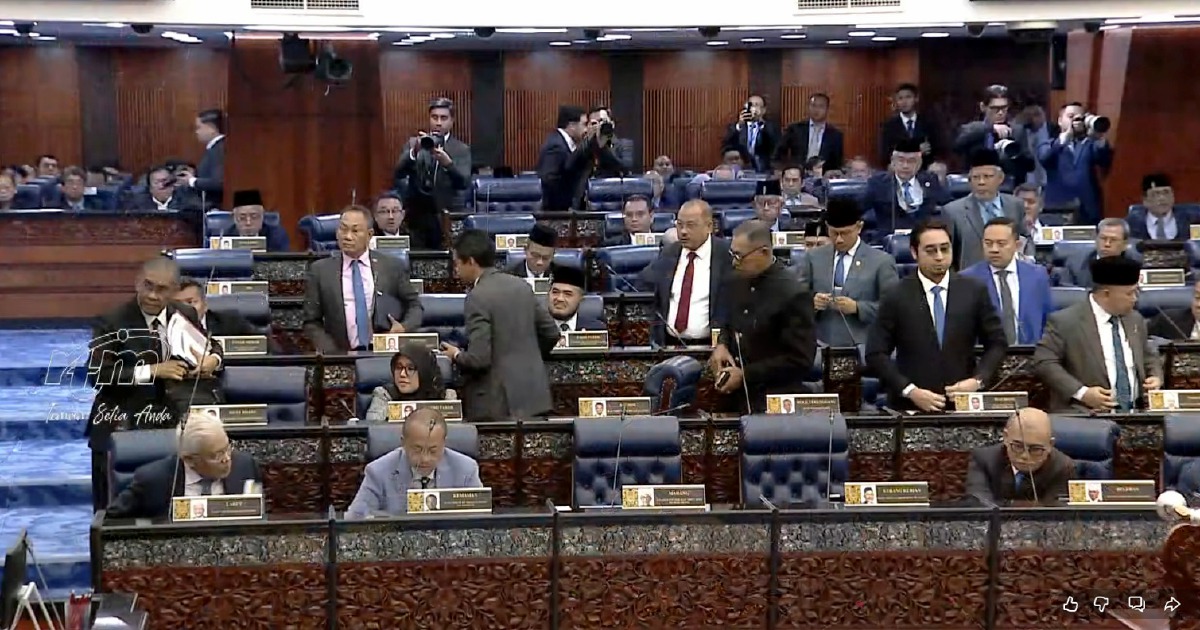
Opposition lawmakers staged a dramatic departure from the Dewan Rakyat today, abandoning the chamber after the Speaker ruled against their bid to defer debate on the Royal Commission of Inquiry into Tabung Haji. The move reflected growing tensions within Parliament over the handling of the controversial pilgrimage fund scandal and raised questions about parliamentary procedure when senior government figures are absent from key legislative sessions.
The opposition's central grievance centred on timing. With Prime Minister Datuk Seri Anwar Ibrahim absent from Parliament, opposition members contended that proceeding with the special sitting to discuss the Tabung Haji RCI findings would amount to a procedural irregularity. Their argument hinged on the principle that matters of such significance—particularly those potentially implicating the executive branch—warrant the presence and participation of the country's chief political leader. The walkout represented a form of parliamentary protest, signalling that opposition parties viewed the Speaker's refusal as compromising the integrity of the debate.
The Tabung Haji situation has been a persistent source of political friction in Malaysia. The pilgrimage fund, which manages savings for Malaysian Muslims intending to perform the Hajj pilgrimage, has been embroiled in controversy over financial mismanagement and governance failings. The establishment of an RCI underscored public concern about how the fund's assets and operations had been handled, making the commission's findings inherently consequential for policymakers and beneficiaries alike. The looming debate on the RCI report represented a potential moment of reckoning, one that opposition parties evidently believed should occur under optimal parliamentary conditions.
The Speaker's rejection of the postponement request reflected an institutional stance prioritising the orderly conduct of scheduled business. Parliamentary officials generally maintain that legislative calendars cannot be held hostage by the temporary absence of individual members, even those holding high office. This perspective emphasises continuity and the Parliament's duty to function regardless of absences. However, the tension between procedural regularity and substantive fairness—particularly on matters touching the prime minister's purview—remains a perennial source of friction in Westminster-influenced legislatures like Malaysia's.
The walkout itself constitutes a rare and deliberate display of parliamentary dissent, one that carries symbolic weight beyond the immediate dispute. Opposition parties use such tactics to register formal objection and draw public attention to what they perceive as unfair treatment. While walkouts are occasionally theatrical, they also serve a communicative function: signalling to constituents and the media that opposition lawmakers consider an issue sufficiently grave to abandon normal parliamentary engagement. The decision to leave the chamber suggests that opposition leaders viewed the procedural dispute not as a minor scheduling matter but as emblematic of broader concerns about parliamentary fairness and government accountability.
For Malaysian observers, the incident touches on enduring questions about how Parliament exercises oversight. In a system where governments typically command working majorities, opposition parties rely heavily on procedural tools and debate opportunities to scrutinise executive action. The timing of major legislative sessions, the presence or absence of key officials, and the Speaker's rulings on procedural motions all influence the opposition's capacity to function as an effective check. When opposition members perceive such procedural mechanisms as being manipulated against them, their confidence in Parliament's institutional integrity can erode.
The prime minister's absence, though not explicitly explained in immediate accounts, likely reflected either international commitments or other pressing governmental business. Nevertheless, the opposition's argument that his presence matters for a debate potentially touching his government's record found resonance among lawmakers concerned with precedent. If major inquiries into government conduct can proceed in the absence of the prime minister, what mechanism ensures his accountability? Conversely, if every scheduled session can be deferred pending the attendance of specific individuals, Parliament risks becoming hostage to the unpredictable schedules of the powerful.
Regionally, such parliamentary dynamics reflect broader trends across Southeast Asia. Many nations in the region struggle with balancing executive flexibility and legislative oversight, particularly in systems where strong prime ministerial authority coexists with formal democratic institutions. Malaysia's situation is not unique; legislatures across the region periodically grapple with questions about when procedure should yield to principle, and when symbolic gestures like walkouts represent legitimate protest rather than obstruction.
The Tabung Haji RCI debate itself carries implications beyond parliamentary procedure. Public confidence in the pilgrimage fund's governance has been shaken by revelations of financial missteps and management failures. The RCI's findings and Parliament's response to them will signal whether democratic institutions can effectively interrogate and address such failures, or whether such inquiries risk becoming political theatre without meaningful accountability. The opposition's insistence on the prime minister's presence during the debate arguably reflects recognition that public trust in the process depends on visible engagement from the highest levels of government.
Moving forward, the walkout may prompt wider conversations about parliamentary protocols, the role of the Speaker in adjudicating procedural disputes, and mechanisms for ensuring that major inquiries receive appropriate legislative attention. Some analysts may view the opposition's stance as principled parliamentary conduct; others might characterise it as unnecessarily obstructionist. What remains clear is that debates over procedure often mask deeper disagreements about power, accountability, and the proper functioning of democratic institutions—disputes that extend well beyond any single sitting of Parliament.

