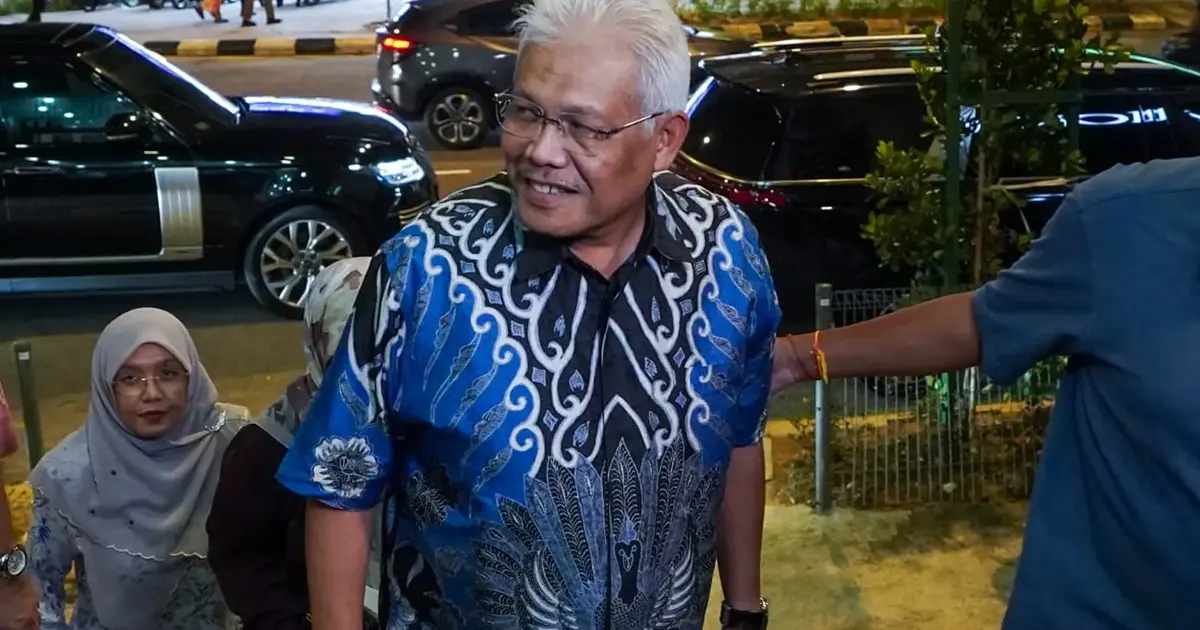
A conspicuous gathering of opposition lawmakers at the headquarters of PAS has drawn keen attention from political observers tracking the volatile alliances within Malaysia's coalition politics. Among the visitors observed at the Islamic party's central office was Hamzah, a prominent figure within the opposition bloc, alongside other MPs whose presence suggested discussions of considerable importance. The meeting's timing carries particular significance given the current state of flux affecting Perikatan Nasional, the opposition coalition that has undergone substantial reshuffling in recent days.
The backdrop to this parliamentary activity involves PAS's dramatic decision last week to formally terminate its partnership with Bersatu, a development that has set in motion considerable jockeying among political players across the Malaysian political landscape. This rupture within PN represents the kind of factional realignment that periodically reshapes Malaysia's parliamentary arithmetic and the balance of power between government and opposition benches. The severing of ties between these two parties has prompted heightened political manoeuvring as each faction attempts to consolidate support and position itself advantageously ahead of any potential shifts in parliamentary dynamics.
PAS, the Pan-Malaysian Islamic Party, has long occupied a distinctive position within Malaysian politics as a Malay-Muslim based organisation with considerable grassroots influence, particularly across the northern and central regions of Peninsular Malaysia. Its decision to distance itself from Bersatu, the party founded by former Prime Minister Mahathir Mohamad, represents a recalibration of political calculations within the opposition sphere. The timing and nature of this separation suggest deeper disagreements about strategic direction and potentially about power-sharing arrangements within any future coalition structure.
Bersatu, despite holding the ostensible leadership of the Perikatan Nasional coalition, has faced persistent questions about its organisational strength and grassroots support compared to the more established PAS machinery. The party's relative newness to Malaysia's political arena and its dependence on personalities rather than institutional depth has created tensions with coalition partners who command more substantial party structures and electoral machinery. PAS's departure therefore undermines the structural coherence that Bersatu had sought to establish as the coalition's anchoring force.
The visibility of opposition figures at PAS headquarters at this particular juncture suggests that parties within PN are engaging in intensive consultation about their collective future. Hamzah's presence carries particular weight given his status within opposition circles and his demonstrated capacity to mobilise support across factional lines. His attendance alongside other MPs indicates that these discussions involve multiple stakeholders attempting to forge consensus on the direction that the opposition should pursue in the coming period.
Malaysian parliamentary politics operates within a context where coalition mathematics frequently shifts based on individual calculations and party interests. The current 222-member parliament contains sufficient volatility that changes in coalition composition, whether through party defections or new partnership arrangements, can materially affect the government's working majority. The gathering at PAS headquarters must be understood within this framework of numerical politics, where each MP and each party's capacity to deliver votes carries tangible currency.
The political activity within PN reflects broader uncertainties about opposition strategy going forward. Since the 2022 elections installed a government coalition comprising Pakatan Harapan and its support partners, the opposition has struggled to forge a coherent counterweight with consistent messaging and unified direction. The fracturing of PN, rather than strengthening opposition prospects, potentially dissipates its capacity to present a credible alternative to the current government arrangement.
PAS faces the particular challenge of balancing its Islamic credentials and grassroots organisational strength against the need to navigate factional politics within the broader opposition space. The party commands considerable loyalty within its base but must also contend with sophisticated political actors who can coordinate across party lines to pursue specific objectives. Its decision to break with Bersatu suggests that party leadership concluded that closer association with the smaller party constrained its flexibility and damaged its political brand without compensating benefits.
The implications of this political realignment extend beyond mere factional shuffling. The cohesion or fragmentation of the opposition directly affects governance dynamics and the stability of the current ruling coalition. A fragmented opposition allows the government greater space to pursue its legislative agenda without serious organised obstruction, whereas a consolidated and strategically aligned opposition can use parliamentary procedures and public pressure to impose constraints on executive action.
For Malaysian observers and international commentators tracking the country's political trajectory, these behind-the-scenes meetings at party headquarters signal the continued fluidity of parliamentary alignments. The country's politics remains characterised by transaction-driven coalition-building rather than ideological coherence, creating a landscape where yesterday's allies become today's adversaries through calculated shifts in position. The gathering at PAS headquarters exemplifies this dynamic, with multiple actors attempting to position themselves advantageously within an evolving political configuration that may reshape the opposition's capacity to challenge the current government in coming parliamentary sessions.