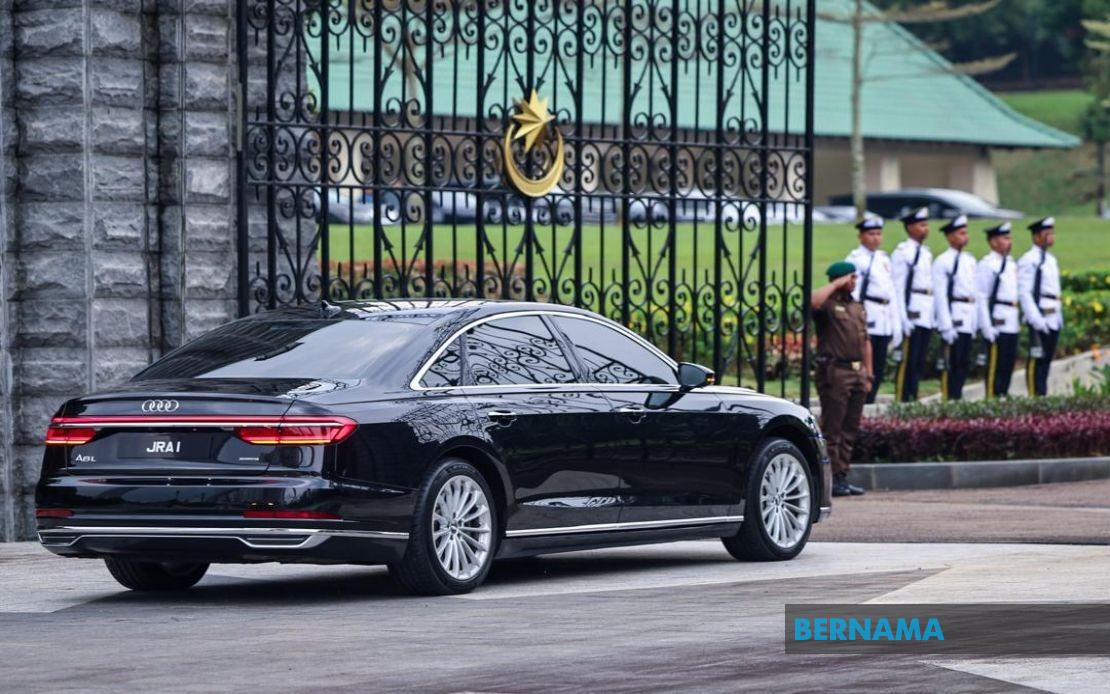
Datuk Onn Hafiz Ghazi, the Machap assemblyman and chairman of Barisan Nasional in Johor, arrived at Istana Bukit Serene in Johor Bahru on July 12 to be formally sworn in as the state's new Menteri Besar, cementing his position following his coalition's commanding performance in the recent elections. The senior politician was conveyed to the palace at approximately 3.40 pm, where the ceremonial proceedings were held, marking a significant transition in the state's political leadership following a period of considerable uncertainty.
The arrival came mere minutes after Onn Hafiz departed from the Menteri Besar's official residence situated in Saujana, confirming the imminent nature of the ceremonial event. Media personnel had been stationed around the palace since midday, anticipating coverage of what was expected to be the formal investiture. The palace administration had issued explicit guidance to media organisations regarding access to the grounds, restricting broadcast and photographic coverage to the Mahkota gate vicinity, a standard protocol for such state occasions involving the Sultan.
Onn Hafiz's path to the top executive position in Johor was solidified by Barisan Nasional's exceptional electoral performance in the 16th Johor State Election held on July 11. The coalition secured 48 of the 56 available state assembly seats, translating to an overwhelming majority that left no ambiguity regarding the composition of the next state government. This decisive mandate reflected voter confidence in the BN machinery and suggested that the electorate had backed the coalition's agenda for the southern state.
The swearing-in ceremony represented the formal culmination of the electoral process and the democratic transition of power. Istana Bukit Serene, the official residence of the Johor Sultan, provided the ceremonial setting appropriate for such a significant constitutional moment. The palace grounds had been secured with notable security arrangements, reflecting the formal nature of the proceedings and the presence of various state officials and dignitaries expected to witness or participate in the event.
Johor's political landscape has experienced considerable flux over recent years, with successive changes in state leadership reflecting the broader competitive dynamics within Malaysian politics. The 2023 state election represented an opportunity for voters to provide direction on their preferred governing coalition and policy direction for the state. Onn Hafiz's ascension to the Menteri Besar position signified voter endorsement of his leadership credentials and the Barisan Nasional platform he represented during the campaign.
The overwhelming electoral victory provided Onn Hafiz with a substantial parliamentary buffer for his five-year term, reducing the likelihood of defections or internal instability that has plagued previous administrations. With 48 seats in a 56-member assembly, the new Menteri Besar commanded approximately 86 per cent of the legislature, offering considerable latitude for policy implementation and legislative agenda-setting without dependency on opposition support or independent assemblymen.
As a long-serving politician with representation of the Machap constituency, Onn Hafiz brought considerable experience in state-level politics and administration. His elevation to chief minister status reflected recognition within the BN hierarchy of his organisational capabilities and political standing within Johor society. The transition also signified potential shifts in administrative priorities and resource allocation across the state's various portfolios and development initiatives.
For Malaysia's broader political framework, the Johor election result held symbolic importance beyond the state's boundaries. As the second-most populous state and a consistent contributor to federal political dynamics, Johor's electoral direction frequently signals broader national trends and voter sentiment. The decisive BN victory suggested sustained support for the coalition in strategically important constituencies, providing momentum for the federal administration.
The ceremony at Istana Bukit Serene concluded a frenetic political period characterised by campaign activities, polling, and transition preparation. The formal swearing-in represented the institutional validation of electoral outcomes and the constitutional framework governing Malaysia's state-level governance. As Onn Hafiz assumed office, attention would inevitably turn toward his cabinet selections, policy priorities, and approach to addressing Johor's development challenges in areas ranging from economic diversification to infrastructure advancement and social services delivery.

