%22%2F%3E%3C%2Fpattern%3E%3C%2Fdefs%3E%3Crect%20width%3D%22100%25%22%20height%3D%22100%25%22%20fill%3D%22url(%23ph52vojg)%22%2F%3E%3Crect%20width%3D%22100%25%22%20height%3D%22100%25%22%20fill%3D%22url(%23ph52vojp)%22%2F%3E%3Ctext%20x%3D%2250%25%22%20y%3D%2250%25%22%20text-anchor%3D%22middle%22%20dominant-baseline%3D%22central%22%20fill%3D%22rgba(255%2C255%2C255%2C0.95)%22%20font-family%3D%22Georgia%2C%20'Times%20New%20Roman'%2C%20serif%22%20font-weight%3D%22700%22%20font-size%3D%22320%22%20letter-spacing%3D%22-0.02em%22%3EOnn%3C%2Ftext%3E%3C%2Fsvg%3E)
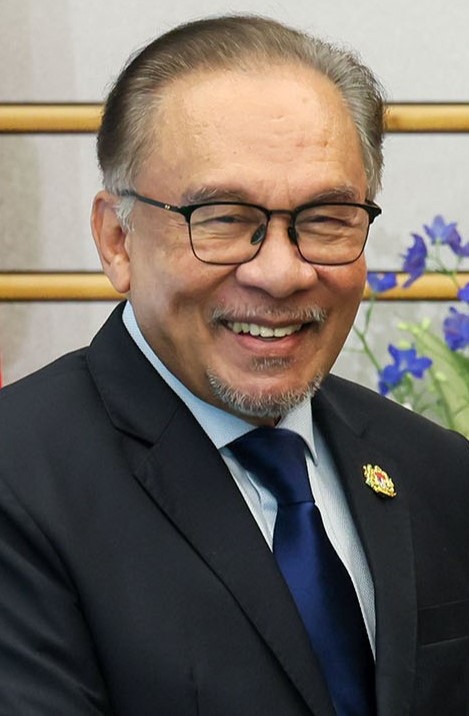
Barisan Nasional has unveiled its full slate of 56 candidates for the forthcoming Johor state election, positioning incumbent Menteri Besar Onn Hafiz as the public face of the coalition's push to secure another term governing the large southern state. The announcement represents a crucial phase in the electoral preparations, as the long-dominant coalition faces mounting pressure from opposition forces and seeks to consolidate its support base ahead of the contest.
Onn Hafiz, who has held the Menteri Besar position since 2021, carries considerable weight in this election cycle. His prominence reflects BN's strategy to leverage leadership continuity and the government's existing institutional advantages. The Johor administration's track record on infrastructure, economic development, and state revenue will form much of the campaign narrative, with Onn Hafiz positioned as the guarantor of these achievements and the architect of future progress.
The 56-candidate list represents BN's assessment of competitive seats across the state's 56 state assembly constituencies. This one-to-one ratio indicates the coalition's intention to contest all available seats rather than ceding ground to opposition parties. Such comprehensive participation signals confidence in BN's organisational capacity and estimated voter support levels, though it also reflects the binary nature of Malaysian electoral competition where opposition consolidation poses mounting challenges to long-standing coalitions.
For Malaysian political observers, the composition of Johor's candidate list carries broader significance. The state has long been regarded as a BN stronghold and demographic microcosm of peninsular Malaysia, making its electoral outcome a barometer for national political sentiment. Johor's relatively balanced mix of urban, semi-urban, and rural constituencies means campaign strategies developed here often serve as templates for nationwide politics. The specific choices made in candidate selection—whether rewarding loyal grassroots operatives, promoting fresh faces, or consolidating factional interests—reveal internal coalition dynamics that extend beyond state boundaries.
BN's component parties, primarily UMNO alongside MIC and MCA representatives, have negotiated these candidacies through established power-sharing mechanisms. The allocation of seats among coalition partners reflects not merely electoral calculations but also the internal political standing of party leaders and their factions. Such negotiations can expose tensions within BN itself, particularly if certain groups perceive unfair distribution or if younger, more ambitious politicians feel blocked by incumbent officeholders.
The timing of this announcement comes amid broader regional political flux. Malaysia's political landscape has grown increasingly unpredictable since the 2018 general election, with voter volatility, generational shifts in political preferences, and the fragmentation of opposition forces creating opportunities and risks for all major coalitions. Johor's election will test whether BN has successfully adapted to these changing conditions or whether structural disadvantages have accumulated to the point where even a familiar incumbent cannot guarantee victory.
Onn Hafiz's personal standing becomes particularly relevant in this context. His ability to connect with diverse voter constituencies—bridging urban middle-class concerns, rural development priorities, and the aspirations of younger Johoreans—will significantly influence campaign momentum. His visibility in this election represents both an asset, given his executive record, and a vulnerability, should his administration's handling of any issue become a focal point for criticism.
The opposition landscape in Johor remains fragmented, with Pakatan Harapan and Perikatan Nasional both maintaining presence and pursuing their separate strategies. This fragmentation could benefit BN if opposition votes split decisively, allowing the coalition to retain seats through plurality rather than majority support. However, any consolidation of opposition forces could rapidly alter the competitive environment, particularly in constituencies where BN's margins have narrowed in recent cycles.
International and regional observers often overlook state elections in Malaysia, yet they provide essential insights into democratic participation, factional politics, and the durability of political coalitions. Johor's vote will contribute to the evolving narrative about BN's long-term viability as Malaysia's governing force. Whether the coalition can retain its traditional stronghold with comfortable margins or faces unexpected losses will shape calculations about the timing and outcome of the next federal election.
The campaign ahead will reveal whether Onn Hafiz's leadership combined with BN's organisational machinery proves sufficient to overcome voter fatigue, inflation concerns, and the opposition's efforts to frame themselves as agents of necessary change. The 56 candidates now carry responsibility not merely for winning individual constituencies but for validating the broader political model that BN represents—hierarchical, experience-based, and claiming developmental competence accumulated over decades of governance.
As polling day approaches, both analysts and ordinary Johoreans will scrutinise whether this election represents continuity or inflection point. BN's candidate list represents the coalition's considered judgment about who can best represent its interests and connect with voters. How effectively these candidates can articulate that vision and respond to contemporary concerns will substantially determine whether the state remains firmly in the coalition's hands or begins a gradual transition toward more competitive politics.