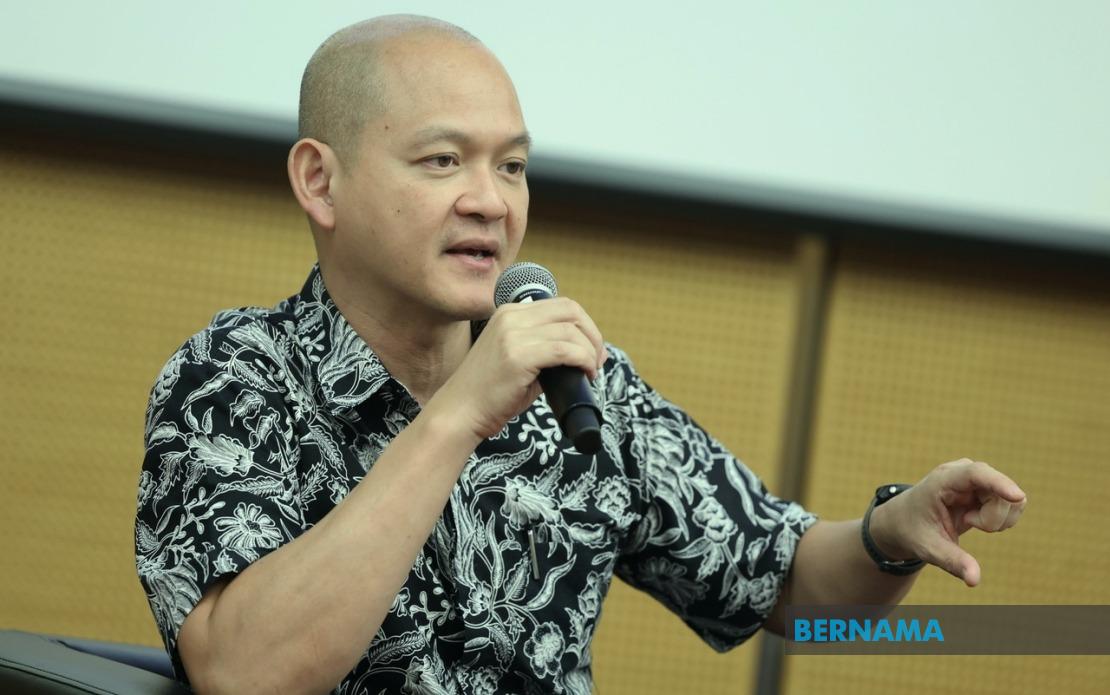
Dr Ong Kian Ming, the former Member of Parliament for Bangi, has announced his departure from the Democratic Action Party (DAP) effective immediately, bringing to a close a 12-year relationship with the opposition coalition that spanned both parliamentary and ministerial roles. The announcement, made through a Facebook post on August 31, was formally communicated to DAP Secretary-General Anthony Loke Siew Fook and National Organising Secretary Khoo Poay Tiong, signalling an orderly transition rather than an acrimonious split.
Ong's tenure within the DAP represented a significant chapter in Malaysian politics, particularly during the tumultuous period following the 2018 general election. Having first entered Parliament as Member for Serdang in 2013, he subsequently held the Bangi constituency from 2018 until 2022, positioning himself within the party's intellectual wing and contributing expertise in economic and trade matters. His résumé reflects the kind of career trajectory that had become increasingly rare within opposition politics in Malaysia—one combining electoral success, ministerial appointment under a reformist administration, and institutional party responsibility.
The timing of Ong's resignation warrants careful consideration within the broader context of Malaysian politics. His departure occurs against a backdrop of shifting political alignments and ongoing debates within the opposition bloc about strategy and direction. While Ong explicitly stated in his announcement that he harbours no intentions of joining another political party in the near term, the absence of a definitive "never" leaves room for future possibilities, a distinction that observers monitoring Malaysian political movements will note carefully.
During his tenure as Deputy Minister of International Trade and Industry from 2018 to 2020, Ong worked within the administration that promised to restore institutional integrity and democratic norms to Malaysian governance. This period represented the high-water mark of opposition political fortunes in the contemporary era, culminating in the 1Malaysia Development Berhad scandal investigations and substantive policy discussions on trade and economic restructuring. His role placed him at the intersection of economic policymaking and political challenge, a position that required navigating competing pressures from DAP leadership, coalition partners, and federal administration stakeholders.
Within the DAP itself, Ong maintained representation at multiple levels of the organizational structure. His appointment to the Central Executive Committee from 2019 to 2022, followed by his election as a member of the DAP Selangor state committee through 2024, indicated sustained confidence from party members and leadership despite the organization's overall electoral decline in recent years. These positions afforded him insight into party decision-making processes and strategic direction, making his departure a potential indicator of broader organizational tensions or strategic disagreements not immediately apparent to external observers.
Ong's decision to withdraw from electoral politics entirely, at least for the forthcoming general election cycle, represents a significant loss to the opposition's intellectual capital and parliamentary representation potential. Malaysian politics has long struggled with the phenomenon of talented individuals departing active politics, either through electoral defeat or voluntary withdrawal, creating a revolving door of experienced personnel. Ong's departure adds another name to this growing list of politicians who, despite possessing credentials in economics and policy analysis, found the demands or constraints of contemporary political engagement untenable.
The economist's pivot toward serving national interests through alternative channels suggests a recognition that meaningful contribution to Malaysian development need not flow exclusively through electoral or party structures. This reflects a growing phenomenon globally where experienced professionals engage in governance and policy influence through civil society, think tanks, academic institutions, and consulting arrangements. For Malaysia specifically, where technical expertise in trade policy and economic restructuring remains in short supply within political institutions, such transitions risk diminishing the quality of policy debate in Parliament and cabinet deliberations.
Ong's decision to explicitly renounce plans to contest in the next general election carries particular significance given Malaysian politics' tendency toward unexpected reversals and rapid tactical shifts. By closing this door definitively at the outset, he minimizes speculation about future returns to electoral politics while establishing a clear boundary around his professional intentions. This clarity stands in contrast to other political retirements that leave ambiguity, potentially positioning figures for surprise comebacks during critical electoral moments.
The announcement also reflects changing generational dynamics within the DAP. Ong represented an intellectual cohort—educated, economically literate, and committed to policy-based governance—that joined the party during the pre-2018 reform movement. His departure suggests that the party's ability to retain and develop such individuals may face structural limitations, whether through limited advancement opportunities, ideological misalignments, or frustration with organizational constraints.
For Malaysian readers and regional observers monitoring opposition politics, Ong's resignation underscores the fragility of institutional political structures when confronted with electoral defeat and extended periods in opposition. The DAP's loss of federal power in 2023, combined with erosion in several state governments, has created internal pressures that manifest through departures of key personnel. Whether Ong's exit represents an isolated personal decision or the beginning of a broader pattern of attrition from the party remains an open question that will become clearer through subsequent months.

