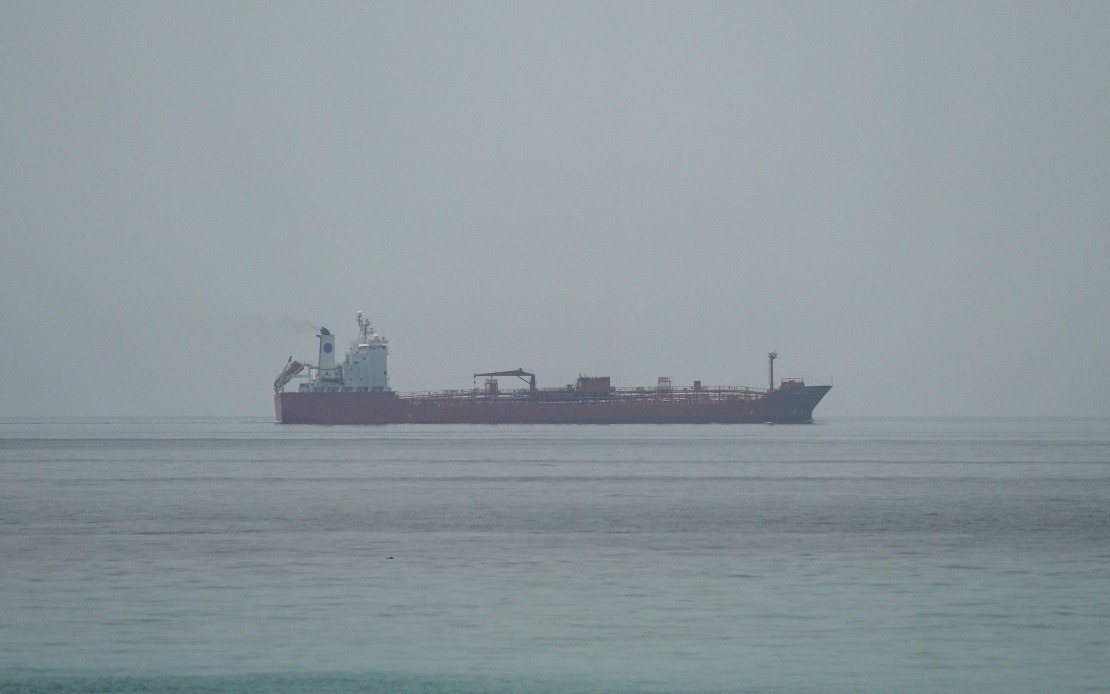
Oman has declared its support for the recently signed memorandum of understanding between the United States and Iran, signalling the sultanate's commitment to the fragile peace process taking shape across the Persian Gulf. Speaking at a joint ministerial gathering convened by the Gulf Cooperation Council and Washington in Bahrain on Thursday, Omani Foreign Minister Badr Albusaidi reaffirmed his nation's backing for the accord, which he characterised as essential for restoring regional stability and securing unimpeded passage through the Strait of Hormuz—a waterway through which roughly one-third of the world's traded oil passes daily.
As a coastal nation directly bordering the strait, Oman occupies a uniquely positioned role in regional maritime security, and Albusaidi emphasised that his country recognises the special responsibilities that come with this geography. The sultanate, he explained, views itself as a steward of international shipping interests and has consistently aligned its policies with international maritime law and the UN Convention on the Law of the Sea. This positioning reflects Oman's historical balancing act between major regional and global powers—a diplomatic tradition that has long defined the nation's foreign policy approach.
Crucially, the Omani minister used the ministerial platform to make an explicit commitment: any future arrangements governing passage through the Strait of Hormuz will not impose transit fees on international shipping. This assurance carries substantial weight given the history of tensions in the region and past threats by various actors to restrict or monetise the waterway. For Malaysia and other Southeast Asian economies deeply dependent on stable energy supplies and predictable shipping costs, such guarantees from a key Gulf state have direct financial implications. Oil and liquefied natural gas imports flowing through Hormuz directly influence energy costs throughout the Asia-Pacific region.
The Iran-US memorandum represents a significant diplomatic breakthrough after months of escalating hostilities. In late February, the United States and Israel conducted strikes against Iranian targets, prompting Tehran to retaliate with direct attacks on Israel and against facilities housing American military personnel throughout the region. These tit-for-tat exchanges risked spiralling into a broader conflict that would have devastated global energy markets and shipping infrastructure. Pakistan played a key intermediary role in brokering negotiations between the adversaries, eventually producing a fourteen-point accord that both sides formally adopted on June 18 through electronic signatures by Iranian President Masoud Pezeshkian and US President Donald Trump.
The agreement addresses multiple dimensions of regional conflict simultaneously. Beyond the symbolic agreement to cease hostilities across various fronts—specifically naming Lebanon as one area requiring de-escalation—the memorandum includes provisions for reopening the Strait of Hormuz to normal traffic and lifting the US naval blockade that had been imposed on Iranian vessels and commerce. These operational changes represent a return to more stable baseline conditions that have been disrupted repeatedly throughout the past two decades. For international commerce, particularly for nations reliant on energy imports, such stabilisation translates into reduced insurance premiums, lower shipping costs, and greater predictability in supply chains.
The GCC and the United States maintain established mechanisms for regular dialogue on security matters, geopolitical developments, and economic partnerships. These consultations have grown increasingly important as West Asian dynamics have become more volatile and unpredictable. The Gulf states, despite their varying relationships with Iran, share common interests in preventing the strait from becoming a flashpoint for military confrontation. Even nations with deep historical grievances against Tehran recognise that unobstructed maritime commerce serves their collective economic interests far better than an escalatory spiral would.
Oman's particular emphasis on fee-free transit addresses a longstanding concern within international maritime circles. Iran has periodically suggested that transit fees might become necessary to compensate for economic losses resulting from international sanctions. Other actors have occasionally threatened to restrict passage as a coercive tool. By explicitly guaranteeing that no such charges will materialise, Oman provides reassurance to the global shipping industry and energy markets. This commitment becomes especially significant given that regional tensions have repeatedly spiked oil prices, creating economic disruption across Asia-Pacific economies including Malaysia.
The timing of the agreement and Oman's public endorsement reflects broader recognition that the current trajectory of regional competition had become unsustainable. Military escalation threatened to destroy infrastructure, disrupt shipping for extended periods, and create refugee flows and humanitarian crises across multiple countries. Oman, as a nation with strong historical ties to Iran but also pragmatic relationships with Western powers and its GCC neighbours, positioned itself ideally to facilitate dialogue. The sultanate's willingness to publicly back the new framework sends a signal to other regional players that diplomatic solutions remain viable even after military exchanges.
For Malaysian policymakers and business leaders, Oman's assurances about Hormuz transit carry immediate relevance. Malaysia's energy security and economic competitiveness depend partly on stable access to Persian Gulf oil and gas at predictable prices. Disruptions to the strait—whether through military action, sanctions regimes, or fees imposed on transit—create cascading economic effects throughout Southeast Asia. The region's manufacturing sectors, particularly those dependent on energy-intensive processes, become less competitive when oil prices spike due to Middle Eastern instability. By backing the Iran-US accord and guaranteeing free passage, Oman effectively supports the broader international trading system that benefits nations across Asia.
The ministerial meeting itself underscores the continuing salience of Gulf security in American foreign policy and the centrality of the GCC states in regional stability arrangements. Regular consultations between these parties address not only immediate crises but also longer-term strategic positioning as geopolitical alignments continue shifting. The US maintains significant military presence throughout the Gulf, while GCC nations depend on American security guarantees. This interdependence, despite occasional tensions, has remained remarkably durable across multiple presidential administrations and regional crises.
Looking forward, the success of the Iran-US memorandum will depend partly on whether all parties—including non-signatory actors with regional interests—respect its provisions. Oman's public commitment to guaranteeing free transit serves as one crucial assurance that the agreement will translate into actual improvements in maritime security and commercial conditions. For Southeast Asian economies, this commitment provides a foundation for expecting continued stability in one of the world's most critical energy chokepoints. Should the accord hold and tensions continue de-escalating, the region could look forward to more predictable energy pricing and reduced geopolitical risk premiums in global commodity markets.

