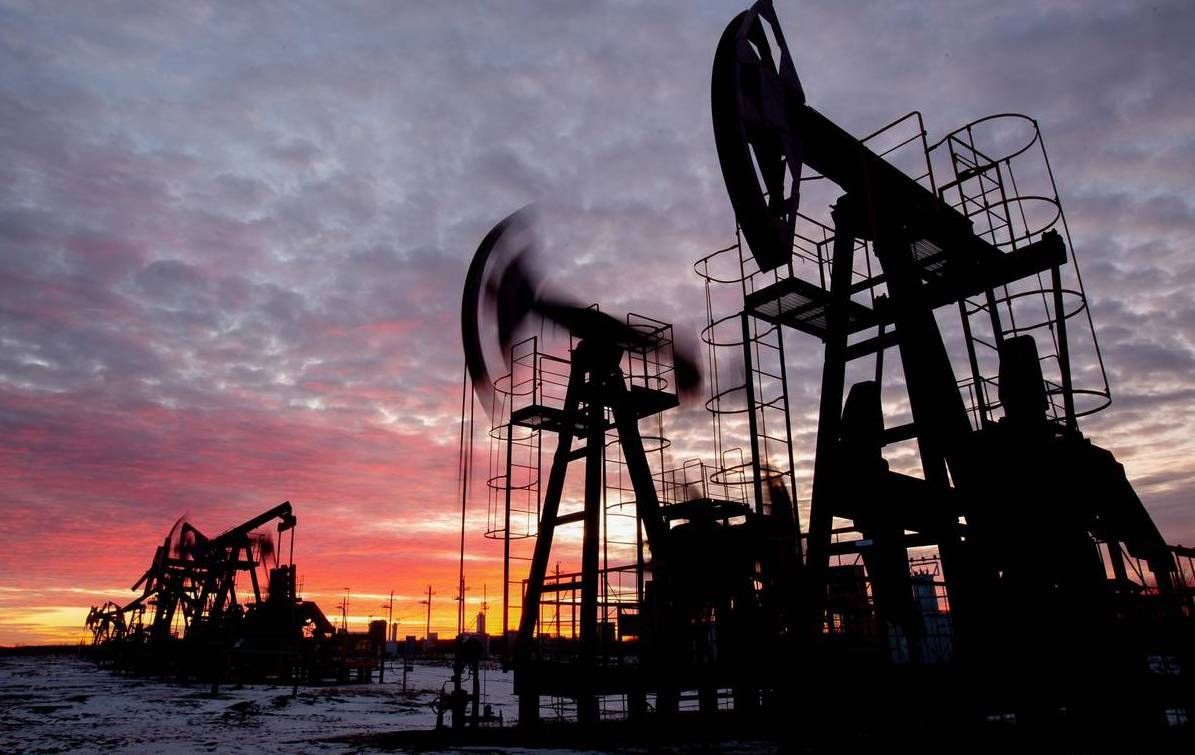
Crude oil futures registered incremental gains on Wednesday as geopolitical friction in the Middle East persisted, yet market enthusiasm remained constrained by forecasters scaling back their outlook for global consumption. Brent crude closed the session 7 cents higher at US$88.98 per barrel, while West Texas Intermediate, the US benchmark, climbed similarly by 7 cents to US$83.27. The understated price movement reflected a tug-of-war between bullish factors anchored in regional instability and bearish headwinds from weakening demand signals.
The diplomatic gridlock between Washington and Tehran remained a central driver of oil market sentiment. According to a senior Iranian official who spoke with Reuters, no substantive negotiations are underway to salvage or extend a ceasefire agreement between the two nations. From Iran's perspective, the absence of a clearly defined start date for any accord renders discussions about extension moot. This fundamental impasse underscores the depth of mistrust between the parties and suggests that any near-term resolution remains elusive. For energy markets, such deadlock translates into prolonged uncertainty about the trajectory of regional conflicts and their potential to disrupt critical oil infrastructure.
Simon-Peter Massabni, head of business development at brokerage XS.com, characterised the situation succinctly, noting that market participants are growing increasingly sceptical about the prospects for a swift diplomatic breakthrough. Without meaningful progress in talks, he observed, the likelihood of sustained disruptions to crude exports from the region or further escalation of hostilities has risen substantially. This calculus of risk remains embedded in current pricing, albeit in a muted fashion.
The Middle East remains the world's most strategically vital oil-producing region, and shipping chokepoints here are irreplaceable conduits for global energy supplies. On Tuesday alone, both US forces and Yemen's Houthi movement—which maintains close ties to Iran—reported separate incidents involving attacks on commercial vessels transiting two of the world's most critical maritime passages: the Strait of Hormuz and the Bab el-Mandeb. These waterways, along with the Suez Canal, collectively serve as the primary export routes for crude and gas flowing from the Middle East to global markets, particularly towards Asia. Any disruption here carries immediate ramifications for refineries across Southeast Asia and beyond.
Vessel traffic data paints a striking picture of the economic impact of these tensions. The number of ships navigating the Strait of Hormuz slumped to just eight on Tuesday—the lowest weekly figure recorded to date. This stands in sharp contrast to the pre-war baseline of 125 to 140 daily transits, representing a drop of roughly 94 per cent. Such a dramatic reduction in traffic flow encapsulates the risks shippers face and illustrates why many are diverting around the region, adding significant costs and transit times to their journeys. For Malaysian buyers of crude oil and refined products, this congestion indirectly raises sourcing costs and amplifies supply chain uncertainty.
Yet offsetting these supply-side concerns is a marked deterioration in demand forecasts that has tempered bullish sentiment. The Organisation of the Petroleum Exporting Countries released revised projections in its monthly oil market report, trimming expected global oil demand growth for 2026 to 580,000 barrels per day—a meaningful reduction from prior estimates. The International Energy Agency, headquartered in Paris, went further, cutting its 2026 demand outlook and now anticipating a contraction of 1.6 million barrels per day this year. These reductions reflect a sobering reality: as refineries, particularly in Asia, struggle to secure sufficient crude supplies owing to shipping constraints, many have throttled back their processing runs, effectively destroying demand rather than merely deferring it.
Simon Wong, a portfolio manager at investment firm Gabelli, articulated a crucial distinction that separates temporary market disruptions from permanent economic damage. The sharp cuts in refinery activity across Asia are partly a product of crude unavailability forcing operational cutbacks, he explained. However, the central question facing analysts is whether such demand destruction proves transitory—whether consumption will rebound once regional stability is restored—or whether it reflects a structural shift in the global energy landscape. Wong's own assessment leans toward the pessimistic: he suspects that even after hostilities cease, a significant portion of the demand lost during the conflict will not materialise again, implying longer-term weakness in crude consumption.
US crude inventories provided another complicating signal to market participants on Wednesday. The Energy Information Administration reported that American crude stockpiles posted an unexpected build last week, marking the largest weekly accumulation since January 2023. This inventory expansion, counterintuitive in an environment of regional supply disruptions, was driven primarily by a sharp decline in crude exports coupled with a surge in imports. The combination suggests that American refiners faced constraints in their ability to ship finished products internationally, even as they received fresh supplies from other sources, pointing to logistical bottlenecks and subdued global demand for US-origin crude.
For Malaysia and the wider Southeast Asian region, the divergence between supply concerns and demand weakness presents a mixed economic picture. Higher oil prices, should they persist, would increase costs for regional economies dependent on energy imports, potentially weighing on inflation and competitiveness. Conversely, the evidence of demand destruction signals that global recession risks may be rising, with far broader implications for export-oriented Asian economies. Refineries across the region continue to navigate procurement challenges, while the prospect of lower future demand raises questions about the long-term commercial viability of refinery expansion projects and energy infrastructure investments. The resolution of the Iran-US impasse, therefore, holds consequences that extend well beyond Middle Eastern geopolitics into the growth prospects of the Asian economies most integrated with global oil markets.

