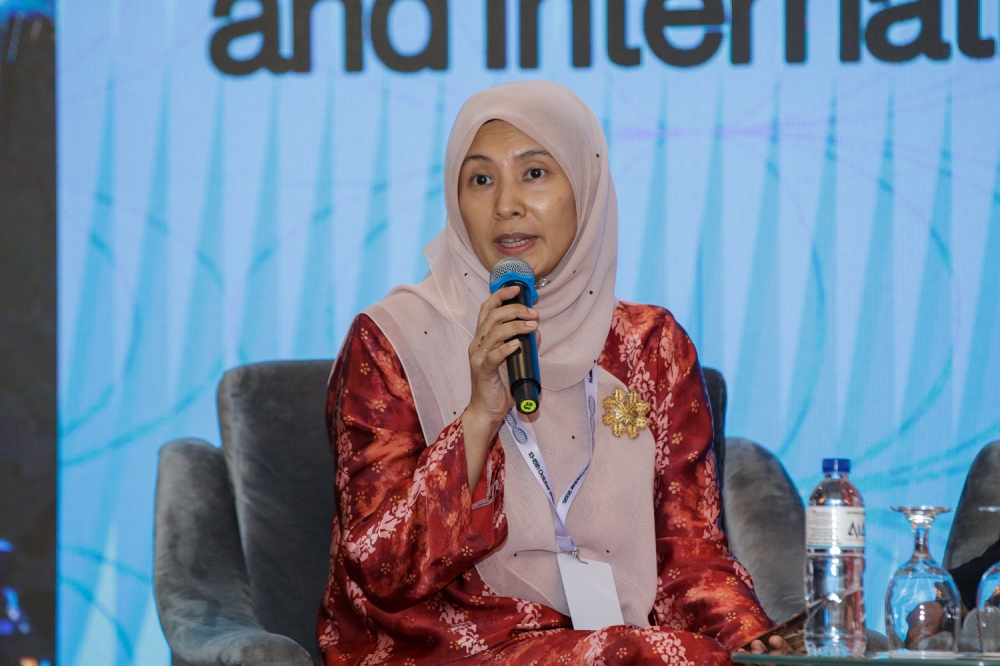
Nurul Izzah Anwar, the deputy president of Parti Keadilan Rakyat (PKR), has announced her resignation from the high-profile party post to dedicate herself to academic pursuits. The move comes as the party navigates its role in the broader Malaysian political landscape, where party leadership structures are under continued scrutiny. Her decision to vacate the deputy presidency marks a notable transition in PKR's upper echelon, opening questions about succession planning and the distribution of responsibilities within the coalition-aligned party.
The legislator and daughter of former prime minister Anwar Ibrahim cited her commitment to personal development as the primary motivator behind stepping aside from the deputy president portfolio. Rather than viewing the decision as a withdrawal from political life, Anwar framed it as a recalibration of her priorities and contributions to the party's broader mission. This approach aligns with a growing pattern among Malaysian political figures who attempt to balance parliamentary duties with personal advancement, though such moves remain uncommon among those holding senior party positions.
In the context of Malaysian politics, where family dynasties and established hierarchies have long dominated party structures, Anwar's willingness to relinquish a senior role represents an interesting departure from convention. Her father's prominent position within PKR and his previous tenure as prime minister would ordinarily suggest a predefined trajectory of increasing responsibility. However, the younger Anwar's choice to pursue educational ambitions suggests evolving generational attitudes toward power consolidation and personal fulfilment within the political sphere.
PKR, as one of the founding members of the Pakatan Harapan opposition coalition, maintains significant influence in Malaysian parliamentary politics despite facing internal challenges and external political pressures. The party's stability and leadership depth have been subjects of ongoing debate among political observers, particularly following the tumultuous political events of recent years that reshaped the nation's coalition arrangements. Nurul Izzah's departure from the deputy presidency therefore carries implications beyond the individual, potentially affecting how the party manages its institutional knowledge and cultivates emerging talent.
The timing of her announcement warrants consideration within the broader political calendar in Malaysia. The country has experienced considerable volatility in government composition and coalition arrangements, with shifts in parliamentary alignment occurring with relative frequency. Against this backdrop, party positions remain contestable and subject to strategic repositioning. Nurul Izzah's decision to step back may also be interpreted as a tactical withdrawal that allows her to observe the political landscape from a less prominent vantage point while maintaining her status as an elected representative and influential party member.
Educational pursuits among senior politicians are not unprecedented globally, though they remain relatively exceptional in Malaysia's competitive political environment. Her determination to advance her academic credentials could enhance her long-term influence and credibility, particularly if she pursues fields relevant to policy development or legislative expertise. This calculated approach to personal development might position her advantageously for future leadership roles, whether within PKR or in broader governance structures, after her studies conclude.
PKR will need to address the vacancy at the deputy presidency level, potentially accelerating promotion decisions for other senior party members. This succession process will be closely watched by political analysts and party members alike, as it may reveal the party's priorities regarding generational change and the elevation of alternative leadership voices. The party's ability to manage this transition smoothly could influence its cohesion and effectiveness in forthcoming parliamentary sessions and electoral cycles.
For Malaysian observers, Nurul Izzah's move underscores the ongoing evolution of political engagement in the country, where traditional career trajectories are increasingly challenged by individuals seeking to integrate personal development with public service. Her decision may also resonate with younger voters and party members who value educational advancement and intellectual rigour alongside political commitment. The precedent she sets could influence how other political figures balance ambition within their parties against personal goals and continuous learning.
The broader implications for PKR include questions about institutional depth and the party's ability to nurture a diverse pool of talented individuals without requiring them to sacrifice personal growth for political progression. A party that accommodates such flexibility may ultimately develop more well-rounded and intellectually equipped leadership in the future. Conversely, the party must ensure that Nurul Izzah's absence from the deputy presidency does not create organizational gaps that undermine operational efficiency or strategic coordination during critical political moments.

