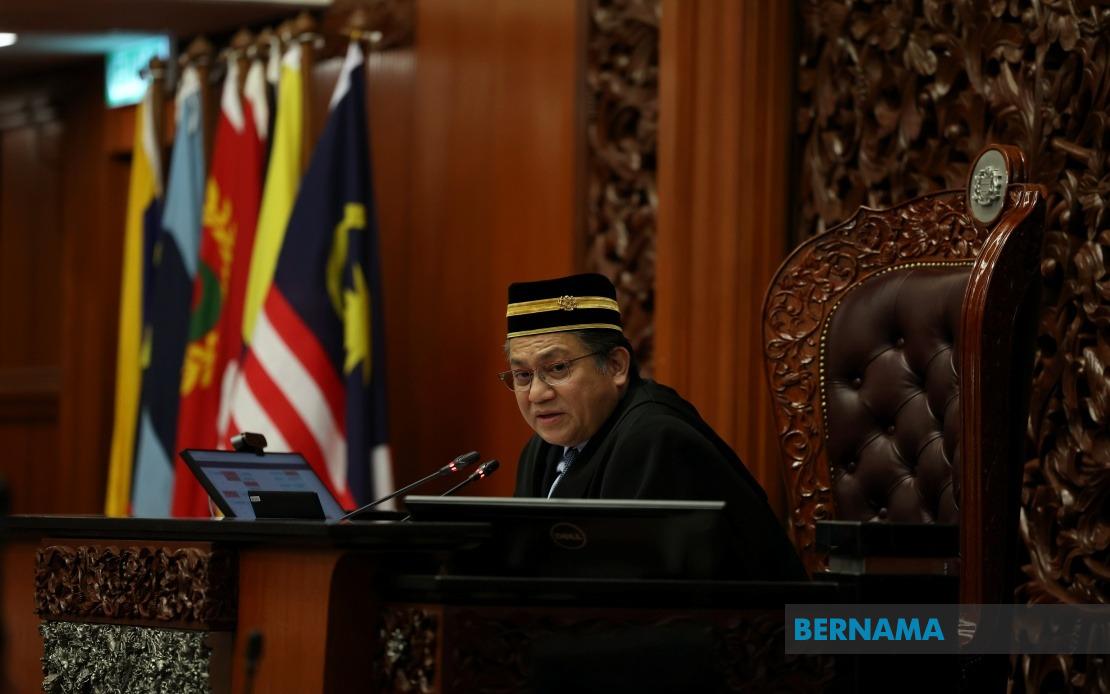
Senator Datuk Nur Jazlan Mohamed has secured reappointment as Deputy Speaker of the Dewan Negara for a second three-year term, cementing his position within Malaysia's upper chamber of parliament. The announcement came on July 20 following his nomination by Higher Education Minister Datuk Seri Zambry Abd Kadir, who put forward the candidacy on behalf of Prime Minister Datuk Seri Anwar Ibrahim ahead of the day's question and answer proceedings.
Nur Jazlan's renewed mandate runs from June 15 2026 through June 14 2029, granted following his formal reappointment by His Majesty the Yang di-Pertuan Agong. The 60-year-old political figure, who also serves as a member of the UMNO Supreme Council and chief of Pulai Division UMNO, originally assumed the Deputy Speaker position in June 2023 and has now been affirmed for a further term. His continued appointment reflects confidence in his legislative stewardship and parliamentary experience accumulated across multiple decades of public service.
Nur Jazlan brings substantial ministerial credentials to his Senate role. Between 2015 and 2018, he served as Deputy Home Minister, overseeing critical policy areas within the interior ministry during a significant period for national governance. Prior to his Senate appointment, he represented the Pulai parliamentary constituency for fourteen years, from 2004 to 2018, building a longstanding constituency base and demonstrating electoral viability across multiple election cycles. This background positions him as an experienced hand in steering Senate deliberations and managing upper house procedures.
Alongside Nur Jazlan's reappointment proceedings, fellow Senator Mussodak Ahmad was also formally reappointed for a second term during the same sitting. Mussodak, who represents Kedah through nomination by the state's legislative assembly, received his reappointment mandate for a three-year period extending from March 20 2026 to March 19 2029. The staggered appointment dates reflect the different nomination mechanisms governing senate representation across Malaysia's federal structure, where some senators gain appointment through the Yang di-Pertuan Agong while others derive their positions through state assembly selections.
Mussodak carries credentials as the Kedah PAS secretary and previously contested state-level elections for the Bayu and Guar Chempedak constituencies, demonstrating active grassroots engagement. His initial Senate appointment arrived in March 2023 representing the Kedah State Assembly, and his reappointment suggests satisfaction with his legislative contributions during the inaugural term. The parallel renewal of both senators underscores the systematic nature of Senate institutional continuity, with appointment cycles ensuring experienced members persist within the chamber while allowing for periodic review and reconfirmation.
The parliamentary calendar indicates that the Senate's Second Meeting under the Fifth Term of the 15th Parliament will operate across ten consecutive sitting days spanning July 20 through August 4. This extended session provides substantial opportunity for legislative deliberation, committee work, and scrutiny of government measures, particularly given the mid-year timing when various policy initiatives and budgetary matters typically come before parliament. The Deputy Speaker's role assumes heightened importance during extended sittings, as parliamentary procedure and order maintenance become increasingly complex across multiple days of debate.
Nur Jazlan's reappointment carries implications for parliamentary stability and institutional continuity at a time when Malaysia navigates economic challenges and policy priorities under the Anwar Ibrahim administration. The consistency of experienced parliamentary leadership contributes to effective governance processes and maintains institutional memory regarding legislative precedent and procedural norms. His background spanning both executive government service and parliamentary representation provides perspective across different branches of governance, informing his approach to Senate management and inter-chamber relations.
The appointment process itself, conducted through the nomination mechanism rather than competitive election, reflects the constitutional design of Malaysia's upper house, where the Senate operates as an appointed rather than elected chamber. This structure emphasizes expertise, technical knowledge, and institutional experience over purely electoral considerations, though it remains subject to ongoing discussion regarding parliamentary representation and democratic accountability. The reappointment of sitting members like Nur Jazlan preserves institutional knowledge and established relationships while allowing regular assessment of individual performance and contribution levels.
For Malaysian political observers, Nur Jazlan's continued Senate leadership signals continuity within UMNO's parliamentary operations during a coalition government period. His position bridges executive government and legislative functions, enabling communication between the Prime Minister's office and Senate operations while representing party interests within the upper house. The reappointment confirms UMNO's sustained influence within parliamentary institutions despite broader coalition dynamics involving other Barisan Nasional components and Pakatan Harapan partners within the government framework.
The renewal of both Nur Jazlan and Mussodak's Senate appointments demonstrates the institutional mechanisms ensuring parliamentary stability across three-year cycles. These overlapping appointment periods prevent wholesale chamber turnover and maintain continuity in legislative knowledge, committee assignments, and procedural expertise. For Malaysian governance more broadly, the systematic reconfirmation of proven senators contributes to effective legislative scrutiny and constructive engagement with government policy proposals, functions essential to parliament's oversight responsibilities within Malaysia's constitutional framework.

