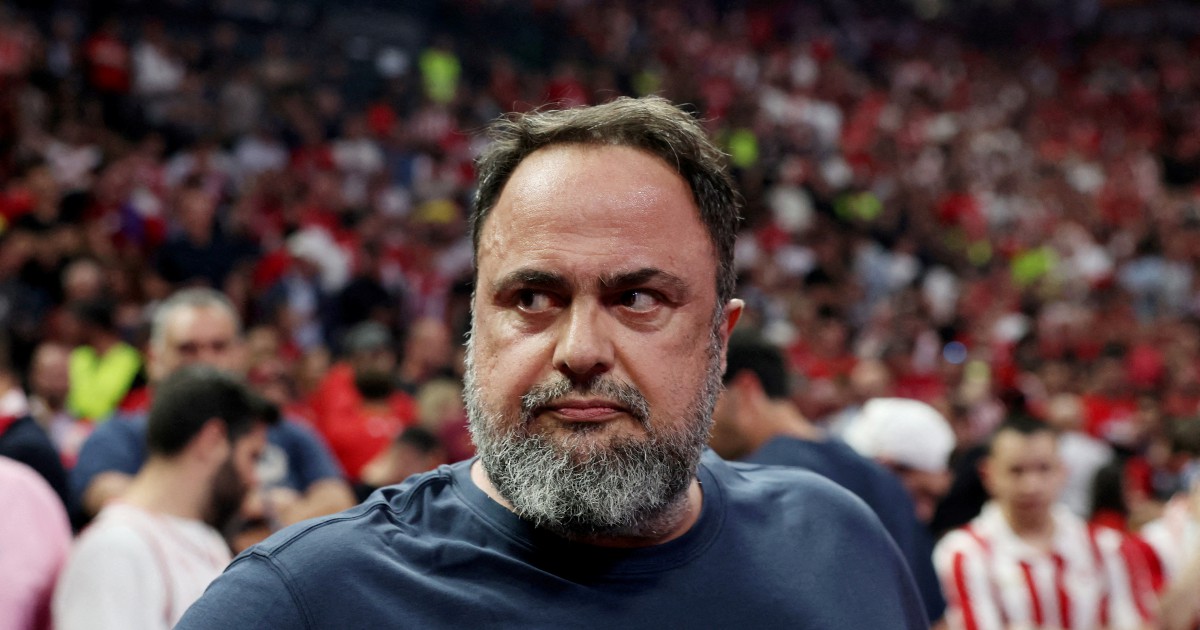
Nottingham Forest owner Evangelos Marinakis has initiated legal proceedings against Premier League rivals Crystal Palace at London's High Court over allegations connected to a fan banner, marking an unusual escalation in disputes between rival clubs. The Greek businessman filed the libel claim on Monday, with news agencies indicating that the lawsuit centres on messaging displayed by Crystal Palace supporters during a match held in the previous season.
The move represents a significant moment in English football governance, where disputes between clubs and their supporters have rarely reached the courts at such a high-profile level. Marinakis, who assumed control of Nottingham Forest in 2017, has built a reputation as an assertive operator in football administration, and this legal action underscores the intensity with which he pursues matters affecting his reputation or business interests. The suit against Crystal Palace signals a willingness to use formal legal channels to address what he evidently views as defamatory conduct.
Fan culture in English football remains a complex area where supporter expression often operates in grey zones between legitimate criticism and potentially offensive conduct. Banners have historically been tools through which supporters convey messages—ranging from tactical commentary to political statements. The specific content of the banner in question has not been detailed in initial reports, but the fact that it prompted High Court action suggests Marinakis believed it contained statements that were factually incorrect and damaging to his standing.
Crystal Palace, based in South London, have not yet publicly responded to the legal claim, though the club will likely face significant legal costs and reputational considerations as the case unfolds. The lawsuit adds another layer of complexity to the already intense rivalries within the Premier League, where competition on the pitch frequently spills into boardroom disputes and off-field tensions. For Malaysian supporters of English football, such incidents highlight how global football rivalries increasingly involve sophisticated legal and commercial dimensions beyond the traditional scope of player transfers and match results.
The case may have broader implications for how football clubs approach fan conduct and what remedies are available when supporters are perceived to have crossed lines into defamation. Premier League governance already involves multiple regulatory bodies, including the league itself, club ownership compliance departments, and increasingly, legal frameworks for protecting individual rights. This lawsuit could establish precedents for how ownership disputes and reputational claims are handled within professional football's institutional structure.
Marinakis's business empire extends well beyond football, encompassing shipping and other commercial interests, which means reputational concerns carry genuine financial and professional weight beyond sporting considerations. The Greek entrepreneur has shown a pattern of defending his interests vigorously, and this legal action aligns with his documented approach to business disputes. Crystal Palace, meanwhile, operate under different ownership structures and may view this lawsuit as an unwelcome distraction from sporting operations.
From a Southeast Asian perspective, this incident illustrates how Premier League football has become deeply intertwined with complex legal and commercial networks that mirror broader globalisation trends. Malaysian fans who follow English football increasingly encounter such disputes, which shape team narratives and broader discussions about governance in the sport. The case also demonstrates how individual personalities—in this instance, Marinakis—influence the tone and direction of entire organisations.
The High Court proceedings will likely involve extensive discovery processes, witness testimony, and detailed examination of what the banner communicated and whether such communication constituted defamation under English law. Legal costs for both parties could prove substantial, representing a significant diversion of resources from football operations. For Nottingham Forest, the lawsuit may draw unwanted attention during a crucial period of competitive ambition under Marinakis's ownership.
The outcome of this case could influence how future disputes between rival clubs and supporter groups are resolved, potentially establishing whether legal remedies are viable or whether such matters are better addressed through football's existing disciplinary mechanisms. Both professional governance and supporter culture exist in ongoing negotiation within modern football, and litigation of this nature forces explicit consideration of where boundaries lie. As proceedings develop, the case will provide insight into how English courts evaluate claims involving public figures in football and what standards of evidence apply when assessing allegedly defamatory statements made publicly by fan groups.

