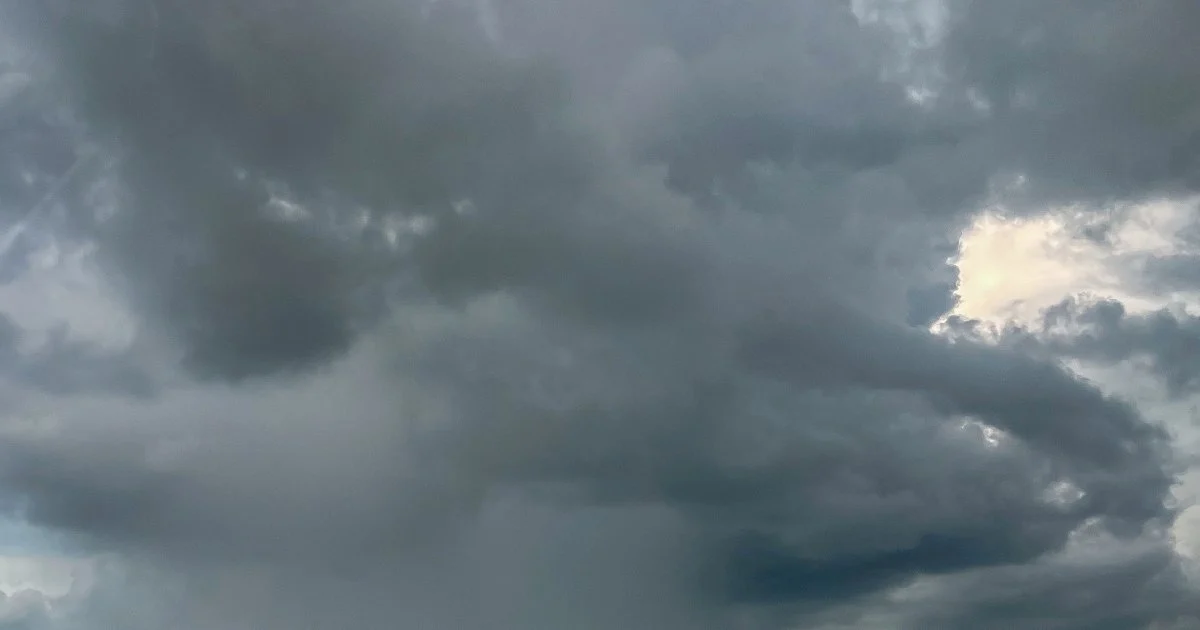
Residents across Malaysia's northern corridor should remain alert this morning as the Malaysian Meteorological Department (MetMalaysia) has activated a thunderstorm warning for four states, with conditions expected to persist until noon. The advisory encompasses heavy rainfall and potentially damaging wind gusts that could affect daily activities and transportation networks throughout the affected regions.
MetMalaysia's alert underscores the volatile weather patterns that characterise Malaysia's tropical climate, where sudden convective activity can develop rapidly, particularly during certain seasonal transitions. The warning mechanism exists to give residents and authorities sufficient notice to take appropriate precautions and suspend outdoor activities where necessary. Given that thunderstorms in Malaysia can bring rainfall intensities exceeding 50mm per hour in localised areas, the meteorological department's proactive communication strategy helps minimise weather-related incidents.
Thunderstorms of this magnitude carry multiple hazards beyond heavy rain alone. Strong wind gusts accompanying such systems can reach speeds capable of toppling poorly secured structures, bringing down tree branches, and disrupting power supplies across affected communities. The combination of torrential rainfall and fierce winds creates dangerous conditions for road users, particularly on expressways where visibility drops sharply and water accumulation on road surfaces becomes hazardous within minutes.
The timing of the warning—affecting the morning period until midday—suggests a critical window during which commuters, schoolchildren, and workers should exercise heightened caution. In Malaysia's urban centres, such weather events frequently lead to traffic congestion as drivers navigate hazardous conditions, and some employers may choose to delay work schedules or permit remote arrangements for their staff. Students and parents should monitor local updates before travelling to educational institutions.
For the four states under this warning, local authorities typically activate emergency response protocols to address potential flooding in low-lying areas, monitor drainage systems, and position rescue teams in flood-prone zones. Municipal corporations and local councils remain on standby to address fallen trees, waterlogged roads, and other weather-related disruptions. Residents in areas historically prone to flash flooding should remain particularly vigilant and consider relocating valuables to higher ground as a precautionary measure.
The meteorological department's issuance of such warnings reflects Malaysia's sophisticated weather monitoring infrastructure, which employs radar systems, satellite imagery, and atmospheric models to track convective development. MetMalaysia continuously updates its forecasts as weather systems evolve, and residents are advised to check official channels periodically rather than relying on outdated information. The department's website and mobile applications provide granular, location-specific forecasts that can help individuals make informed decisions about their movements.
Thunderstorm warnings assume particular significance in Malaysia's industrial and commercial sectors, where outdoor operations—construction sites, port activities, and manufacturing facilities—must often halt during severe weather episodes. Supply chain disruptions resulting from weather interruptions can have cascading effects on businesses and consumers alike, making accurate forecasting and timely warnings economically important beyond mere safety considerations.
For those with outdoor commitments this morning, postponement should be seriously considered. Outdoor sports, recreational activities, and construction work should be suspended during the warning period. Drivers should reduce speed, increase following distances, and consider postponing non-essential journeys until conditions stabilise post-noon. Pedestrians should avoid walking beneath trees or near structures that might sustain wind damage.
The meteorological department's noon deadline represents a crucial transition point when conditions are expected to improve, though residents should remain cautious even as the official warning expires. Experience shows that convective activity sometimes persists beyond initial forecasts, and localised storms may continue developing in isolated pockets. Checking weather updates after the warning period concludes remains prudent.
For those living or working in Malaysia's northern states—a region that experiences heightened thunderstorm activity due to its geographic positioning and interaction with monsoon patterns—familiarity with emergency procedures and maintaining emergency preparedness kits remains advisable. Bottled water, first-aid supplies, flashlights, and battery-powered radios should be readily accessible for households in areas prone to weather-related disruptions.
This warning exemplifies the weather challenges that characterise Malaysia's tropical position, where atmospheric moisture and heat availability frequently spawn powerful thunderstorms, particularly during transitional seasons. Understanding such warnings and responding appropriately represents a crucial element of weather safety for Malaysian residents and visitors.
%22%2F%3E%3C%2Fpattern%3E%3C%2Fdefs%3E%3Crect%20width%3D%22100%25%22%20height%3D%22100%25%22%20fill%3D%22url(%23ph14rfdg)%22%2F%3E%3Crect%20width%3D%22100%25%22%20height%3D%22100%25%22%20fill%3D%22url(%23ph14rfdp)%22%2F%3E%3Ctext%20x%3D%2250%25%22%20y%3D%2250%25%22%20text-anchor%3D%22middle%22%20dominant-baseline%3D%22central%22%20fill%3D%22rgba(255%2C255%2C255%2C0.95)%22%20font-family%3D%22Georgia%2C%20'Times%20New%20Roman'%2C%20serif%22%20font-weight%3D%22700%22%20font-size%3D%22272%22%20letter-spacing%3D%22-0.02em%22%3EAnwar%3C%2Ftext%3E%3C%2Fsvg%3E)