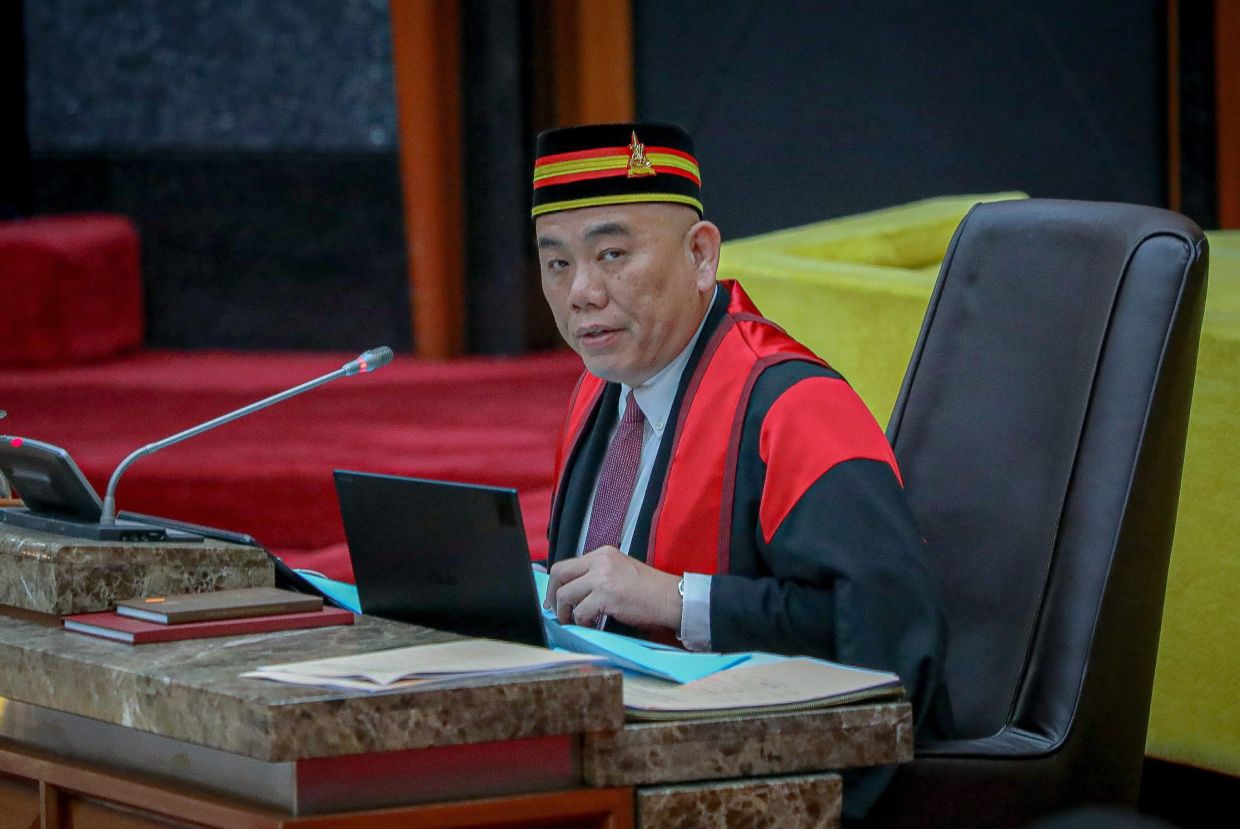
The prospect of a by-election disrupting Selangor's political landscape has been firmly ruled out, with Speaker Lau Weng San announcing on Thursday that a comprehensive review of all state assemblymen has revealed no cause for any of them to vacate their positions. The announcement came during a press conference held on the sidelines of the Selangor State Assembly sitting in Shah Alam, effectively closing the door on weeks of speculation that had gripped political circles across the state.
The review, which was completed as of August 10, examined assemblymen from all political parties represented in the Selangor State Assembly. According to Lau, the investigation was sufficiently thorough to cover all relevant aspects and involved direct scrutiny of every assemblyman's circumstances. The Speaker emphasised that the checks were impartial and comprehensive in nature, leaving no stone unturned in determining whether any assemblyman had breached the conditions necessary to retain their seat.
The timing of this confirmation carries particular significance given that speculation about a possible by-election had surfaced earlier in August following a bankruptcy order issued against one state assemblyman. However, the High Court subsequently set aside that order, effectively removing the primary trigger for the by-election speculation. Lau's formal confirmation now provides legal and administrative closure to the matter, allowing the state assembly to move forward without the distraction of electoral uncertainty.
Beyond the seat retention issue, Lau used the occasion to address broader concerns about assemblyman attendance at state assembly sittings, announcing plans to publish a list of frequent absentees on social media platforms. This move reflects growing awareness among the leadership that parliamentary attendance reflects not merely administrative compliance but also the quality of representation constituents receive. The Speaker painted a picture of assemblymen balancing multiple obligations, acknowledging legitimate reasons for absence while encouraging greater commitment to their legislative duties.
The attendance issue has practical implications for Selangor's legislative process. Lau noted that the state assembly typically convenes approximately three times annually, with each session lasting roughly two weeks or less. Given this infrequent schedule, absences carry proportionally greater weight than in parliaments that meet more regularly. The Speaker illustrated this point by citing the Bandar Baru Klang representative, who had requested formal leave following surgery with medical advice to rest for a week—an example of the type of justifiable absence the assembly recognises.
Current attendance patterns reveal that between three and five assemblymen are absent at each sitting. While technically no legal obligation exists for absent members to inform the secretariat of their absence, Lau emphasised the opportunity cost of non-attendance. Assemblymen who skip sessions forfeit the chance to pose questions to the executive, receive government responses, table proposals, and crucially, absorb critical updates delivered during winding-up speeches by senior officials. This loss of institutional knowledge can hamper an assemblyman's ability to serve constituents effectively.
Interestingly, Lau revealed that the assembly has developed a reciprocal approach to managing absent members during legislative proceedings. State executive councillors may choose to forgo addressing questions raised by assemblymen who were not present during the relevant session, thereby conserving time for substantive engagement with those who attended. This practice incentivises participation while also recognising the practical limitations of questioning members about matters they could not have witnessed.
The Speaker made a pointed appeal to assemblymen to prioritise attendance at assembly sessions, framing it as a matter of professional responsibility. He urged members to schedule constituency events, meetings, and non-urgent appointments in ways that avoid clashing with assembly sitting dates. While acknowledging exceptional circumstances—he cited deaths requiring immediate burial as an example of unavoidable absence—Lau made clear that most scheduling conflicts are preventable through proper planning. The message carries implicit criticism of assemblymen who deprioritise legislative duties in favour of local engagements.
Lau also clarified parliamentary procedure regarding late arrivals, noting that assemblymen who attend any portion of a sitting are still counted as present. This flexibility accommodates the reality that members may face genuine logistical challenges in arriving precisely when sessions commence. However, this leniency appears designed to encourage even partial attendance rather than complete absence, recognising that even brief parliamentary presence enables some degree of policy engagement.
Financial incentives underpin the attendance framework. Lau confirmed that assemblymen receive an attendance allowance of RM200 for morning sessions and RM150 for afternoon sessions, effectively compensating members for their time and travel. These sums, while modest by international standards, represent a tangible recognition of the demands placed on assemblymen and underscore the expectation that the financial incentive should encourage participation. The existence of such allowances strengthens Lau's argument that assemblymen have material motivation to attend, making absences more difficult to justify unless circumstances are genuinely pressing.

