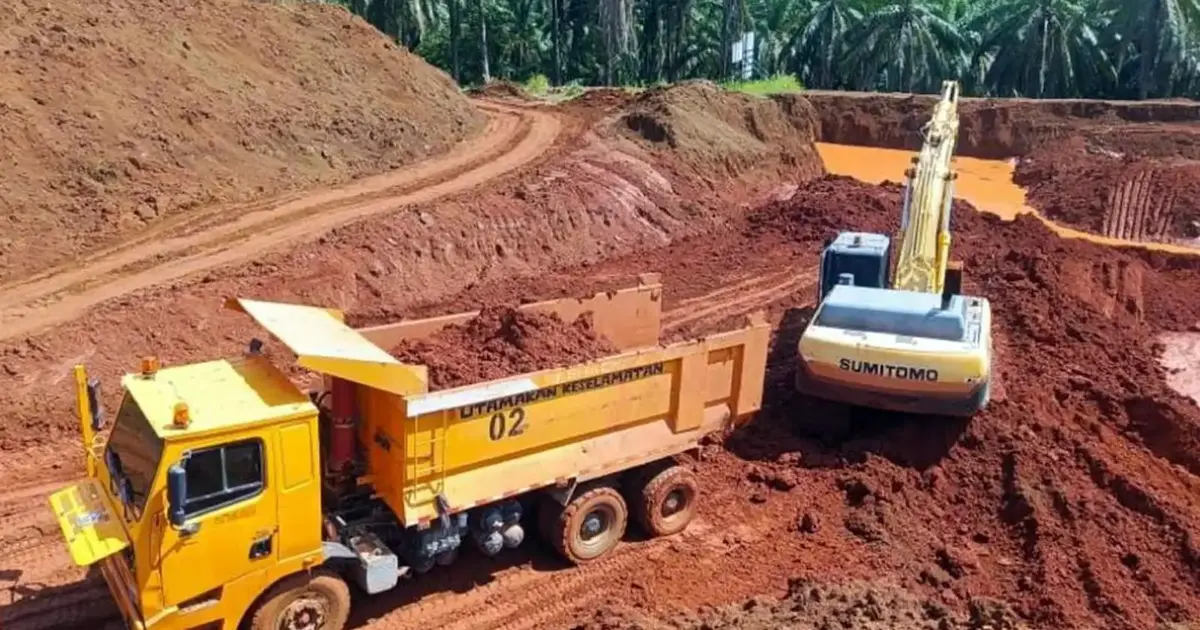
The General Operations Force has arrested nine people, including several foreign nationals, in a targeted enforcement operation against illegal bauxite mining operations at a Felda plantation. The raid resulted in the seizure of RM3.75 million in assets, signalling a significant blow to what authorities believe was a well-organised underground extraction network. The operation highlights growing concern over illicit mining activities within Malaysia's agricultural concessions and the exploitation of remote plantation areas for mineral extraction.
Illegal bauxite mining has become an increasingly persistent problem across several Malaysian states, particularly in regions where vast tracts of undeveloped agricultural land provide cover for clandestine operations. The metal, a primary ore used in aluminium production, commands substantial international market prices that incentivise organised criminal networks to extract it without proper licensing or environmental oversight. The concentration of such activity within Felda-managed land underscores how designated agricultural areas can become vulnerable to mineral smuggling when regulatory presence remains limited.
The presence of foreign nationals among those detained suggests international coordination within these networks, a pattern consistent with transnational organised crime involving natural resource theft across Southeast Asia. Such operations typically involve sourcing from within Malaysia while exporting through regional transit hubs, allowing criminal syndicates to circumvent export restrictions and generate substantial profits. The composition of the arrested group indicates the operation required both local knowledge for site identification and international connections for mineral placement and distribution.
The RM3.75 million in seized assets encompasses equipment, machinery, and financial holdings directly linked to the bauxite operation. This figure reflects the substantial financial infrastructure required to sustain illegal mining activities at scale, including excavation equipment, processing facilities, transportation logistics, and distribution networks. The seizure demonstrates that such operations are not small-scale activities but rather capital-intensive criminal enterprises capable of generating significant returns that fund further expansion and recruitment.
For Malaysian readers concerned with resource management and agricultural sustainability, this raid represents an important enforcement success but also reveals systemic vulnerabilities. Felda plantations, originally established to promote agricultural development and rural livelihoods, cover extensive areas across multiple states. The exploitation of these concessions for mineral extraction directly contradicts their development mandate and potentially undermines soil integrity and water resources essential for future agricultural productivity. The incursion of mining into these protected agricultural zones raises questions about perimeter security and monitoring effectiveness.
The General Operations Force's involvement signals a security-focused approach to what remains fundamentally an environmental and economic crime. Bauxite extraction causes significant land degradation, altering topography and destroying vegetation coverage. Once extracted, affected land becomes unsuitable for agricultural use without extensive rehabilitation, representing a permanent loss of productive capacity. The environmental cost, though not quantified in asset seizures, accumulates across Malaysia's landscape where such illegal operations proliferate.
Regionally, Malaysia's bauxite mining challenges mirror those affecting Indonesia and other Southeast Asian nations with substantial mineral deposits and significant enforcement constraints. The flow of illegally extracted bauxite into regional supply chains undermines formal mining operations that comply with licensing, environmental, and labour standards. This creates an unlevel playing field where illicit producers undercut legitimate operations, reducing incentives for legal compliance among borderline operators. The problem requires coordinated regional responses to disrupt transnational supply networks and reduce market demand for contraband minerals.
The investigation and subsequent arrests likely involved substantial intelligence gathering and coordination among multiple enforcement agencies, including Customs and land management authorities. Successful dismantling of such networks depends on sustained inter-agency cooperation and intelligence sharing, capabilities that demand ongoing investment and institutional coordination. The identification and location of the plantation operation required awareness of mining indicators—equipment movements, road damage, and material stockpiles—suggesting intelligence capacity is gradually improving.
Moving forward, the authorities face the challenge of preventing reconstitution of such networks, as the financial incentives driving illegal bauxite extraction remain undiminished. Criminal syndicates typically respond to enforcement pressure by relocating operations or recruiting replacement personnel, particularly when international demand for bauxite remains strong. Sustainable prevention requires complementary strategies: enhanced border security to restrict mineral smuggling, improved monitoring of Felda plantation perimeters, stricter international coordination on bauxite trade documentation, and prosecution frameworks that impose sufficient penalties to deter participation. Without such comprehensive approaches, enforcement victories like this raid risk becoming temporary disruptions rather than permanent shifts in criminal behaviour patterns.

