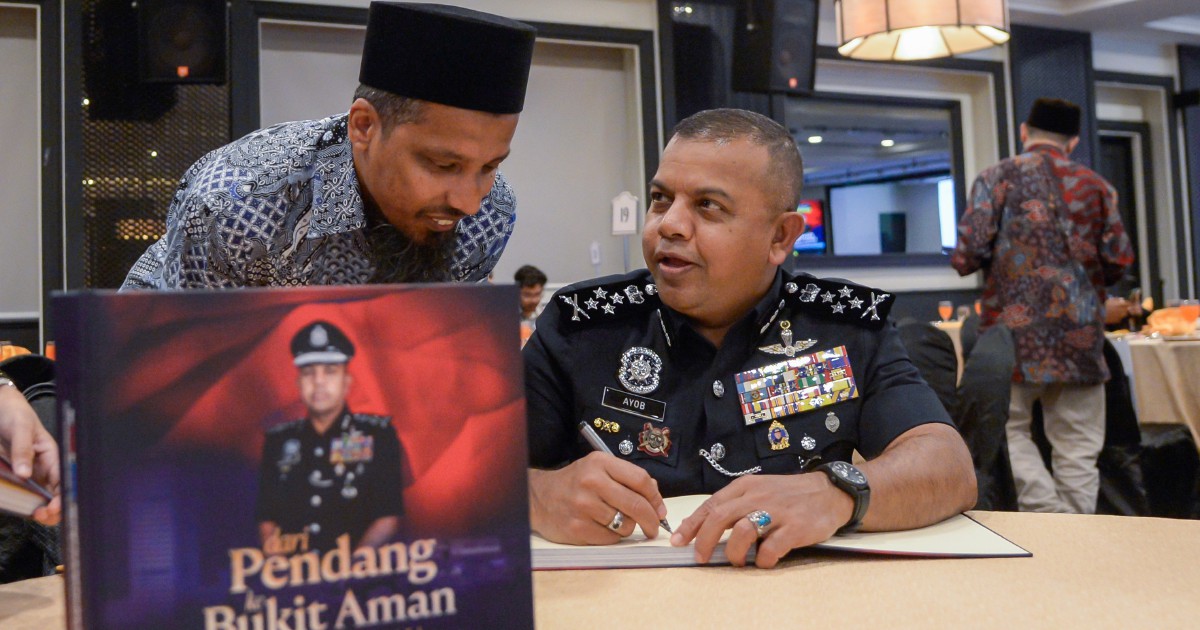
The investigation into what became known as the 'Gang Nicky' operation has left an indelible mark on Malaysia's policing history, according to Tan Sri Ayob Khan Mydin Pitchay, who served as Deputy Inspector-General of Police. In recent reflections on his career, Ayob Khan identified the probe as standing among the most substantial cases ever pursued by Bukit Aman, the headquarters of the Royal Malaysian Police.
The significance of this investigation extends beyond the arrest records and charges filed. The case represented a complex criminal enterprise that demanded considerable investigative resources and coordination across multiple police units. Ayob Khan's characterisation of it as one of Bukit Aman's biggest cases underscores the scale and intricacy of the criminal network authorities sought to dismantle, suggesting the operation involved sophisticated criminal activities that warranted sustained high-level police attention and strategic planning.
Criminal investigations of this magnitude typically involve extensive surveillance operations, financial tracing, witness interviews, and coordination between federal police and state-level law enforcement agencies. The resources devoted to such probes reflect both the severity of the alleged crimes and the potential threat the organisation posed to public security. For Malaysian law enforcement, major cases of this nature serve as benchmarks for investigative capability and organisational readiness to tackle organised crime networks.
The prominence afforded to the Gang Nicky investigation within Ayob Khan's career narrative reveals how significant cases can define a law enforcement leader's professional legacy. Senior police figures often remember high-profile investigations as pivotal moments that tested institutional capabilities and demonstrated the police force's commitment to tackling serious criminal activity. Such cases frequently result in operational innovations, refined investigative techniques, and strengthened inter-agency cooperation protocols.
From a Malaysian perspective, the emergence of organised criminal gangs requiring intensive investigation reflects broader security challenges that Southeast Asian nations face. Criminal networks operating within Malaysia's borders often have transnational dimensions, sophisticated money-laundering operations, and connections to regional organised crime syndicates. Understanding how authorities mobilised resources against the Gang Nicky provides insights into the country's capacity to address such threats.
The investigation's lasting impact on Bukit Aman's operational framework likely extended beyond the immediate prosecutions secured. Major cases typically influence police training programmes, resource allocation decisions, and the development of specialist units focused on organised crime. The institutional memory of substantial investigations guides how contemporary police forces approach similar criminal enterprises, shaping enforcement strategies for years after the cases conclude.
Ayob Khan's willingness to discuss the Gang Nicky investigation publicly reflects a broader transparency trend within Malaysian law enforcement leadership. Senior officers sharing insights into significant cases provides public understanding of police capabilities and the dedication required to pursue complex criminal operations. This openness also reinforces public confidence in institutional efforts to maintain security and tackle organised crime, demonstrating that substantial resources and expertise are directed toward eliminating serious criminal threats.
The characterisation of Gang Nicky as among Bukit Aman's biggest cases also contextualises the evolution of organised crime in Malaysia. Criminal enterprises have become increasingly sophisticated, requiring police forces to develop corresponding expertise in financial investigations, digital forensics, and international cooperation. The case likely served as a catalyst for enhancing capabilities in these domains, positioning Malaysian police to address emerging criminal methodologies more effectively.
For current and future police leadership, recollections of major investigations provide valuable institutional knowledge. Understanding how previous leadership approached complex cases, what resource requirements proved essential, and what investigative strategies yielded results helps shape contemporary enforcement practices. Ayob Khan's observations about the Gang Nicky probe contribute to this institutional memory, potentially influencing how current police leadership deploys resources and structures investigations into organised crime networks.
The investigation's significance also reflects the professional challenges Malaysian police faced in maintaining public order whilst combating sophisticated criminal operations. Balancing these imperatives demands strategic planning, community cooperation, and sustained commitment from enforcement personnel. Cases that achieve resolution through determined investigation and coordination demonstrate institutional resilience and capacity to protect Malaysian citizens from serious criminal threats.
Ayob Khan's perspective on the Gang Nicky investigation ultimately underscores how major criminal cases transcend individual prosecutions to become defining moments in law enforcement institutional history. Such investigations test organisational capabilities, refine operational procedures, and establish precedents for handling similar enterprises. The lasting impression the probe left suggests its influence extended throughout Bukit Aman's operations, shaping how Malaysian police approach organised crime investigations and criminal intelligence development in contemporary security operations.

