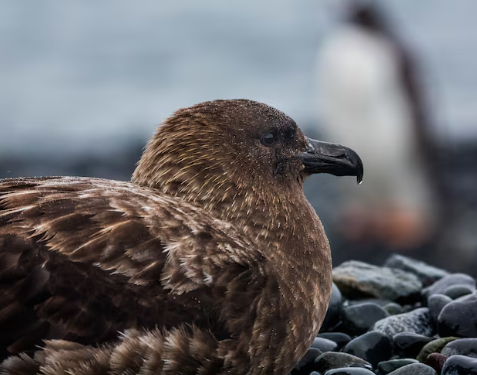
New Zealand joined the global roster of H5N1-affected nations this week when Biosecurity Minister Andrew Hoggard confirmed the detection of the virus in a migratory brown skua seabird discovered on a beach near Wellington on Wednesday. The discovery marks a significant moment for the island nation, which had remained untouched by the pandemic strain despite its proximity to affected countries. Health authorities have swiftly initiated a preventive vaccination campaign targeting the nation's most vulnerable avian populations, signalling the seriousness with which officials are treating the potential threat to New Zealand's irreplaceable wildlife heritage.
The brown skua case arrives shortly after Australia's official acknowledgement of H5N1 circulation within its borders, making the antipodean region the final continent to experience documented human-initiated detection of the virus. Since 2021, the H5 strain has devastated wild and domestic bird populations across multiple continents, simultaneously infiltrating poultry operations and dairy farm environments whilst occasionally reaching agricultural workers. The global toll has been staggering, with millions of birds succumbing to infection and economic consequences rippling through food production systems worldwide.
Minister Hoggard provided immediate reassurance regarding the current situation, emphasising that no evidence of widespread wildlife mortality or inter-avian transmission has emerged in New Zealand to date. Critically, poultry holdings across the country remain clear of infection, a circumstance that reflects both good fortune and the preparatory biosecurity infrastructure that authorities developed in anticipation of the virus's eventual arrival. These preparations, developed collaboratively with the commercial poultry sector, now become the foundation upon which New Zealand's defence strategy rests.
Australia's experience offers New Zealand a concerning template. As of the same Wednesday, the neighbouring nation had documented fourteen confirmed or presumed cases across its territory, demonstrating how rapidly the virus can establish itself in new environments once introduced. The trajectory in Australia will likely inform New Zealand officials' approach to containment and monitoring, though geographical and ecological differences between the two countries mean direct parallels may not hold entirely.
New Zealand's biological isolation over millions of years has produced an avifauna found nowhere else on Earth, a distinction that comes with profound vulnerabilities. The nation's birds evolved in the absence of native terrestrial predators, resulting in numerous flightless species and ground-nesting behaviour that offered survival advantages in a predator-free ecosystem. However, this evolutionary history left them fundamentally unprepared for contemporary threats. The introduction of European mammals including stoats, rats and feral cats has already placed numerous species on the precipice of extinction; H5N1 represents an additional catastrophic risk that could prove fatal for populations numbering in the low hundreds.
The vaccination programme now underway targets 300 core breeding individuals from five species classified as critically endangered, with the takahe and kakapo among those receiving preventive treatment. These birds represent irreplaceable genetic repositories for their species, and their loss would constitute not merely environmental tragedy but an obliteration of unique evolutionary lineages. The decision to vaccinate rather than rely solely on quarantine measures reflects acknowledgement that containing a respiratory virus in wild populations is virtually impossible once established.
Brett Gartrell, a wildlife health specialist at Massey University, articulated the deep anxiety pervading conservation circles. New Zealand's native birds have never encountered pathogens of H5N1's virulence and transmissibility, having evolved immune systems calibrated to historical disease environments utterly different from contemporary global pandemics. Should the virus establish itself in wild bird populations and spread unchecked, the consequences could be precipitous for species hanging by a thread of existence.
Gartrell's warning that vaccinated populations might not achieve full immunity if infection spreads too rapidly touches upon a fundamental tension in pandemic management. Vaccination campaigns require time to achieve protective immunity across populations, but viral propagation operates on its own timeline. If H5N1 achieves rapid dissemination through New Zealand's wild bird communities before the vaccination programme reaches adequate coverage, those very species officials seek to protect could face population crashes from which recovery might prove impossible.
For Southeast Asian observers, New Zealand's predicament carries instructive implications. The region hosts numerous migratory flyways connecting to Australia and New Zealand, meaning H5N1 introduction into Southeast Asian poultry systems remains an ongoing concern. Nations such as Malaysia, where avian disease surveillance infrastructure varies significantly across provinces, face particular vulnerability. New Zealand's experience demonstrates that preparatory biosecurity planning, though essential, provides only partial insurance against viral establishment.
The vaccination strategy itself represents a emerging tool in pandemic wildlife management, yet its application to wild populations remains largely experimental. Success would constitute an important precedent for conservation biology, potentially opening new pathways for protecting endangered species globally. Conversely, failure would underscore the limitations of technological solutions when confronting pathogens of such transmissibility and severity.
New Zealand authorities must now navigate an uncomfortably narrow corridor between complacency and panic. Current containment within a single seabird specimen offers hope, yet the virus's demonstrated capacity to spread through wild bird networks globally suggests permanent absence remains unlikely. The intensive vaccination programme reflects realistic acknowledgement that New Zealand's biodiversity faces a genuine existential challenge, one that neither geographic isolation nor decades of conservation investment can fully mitigate.

