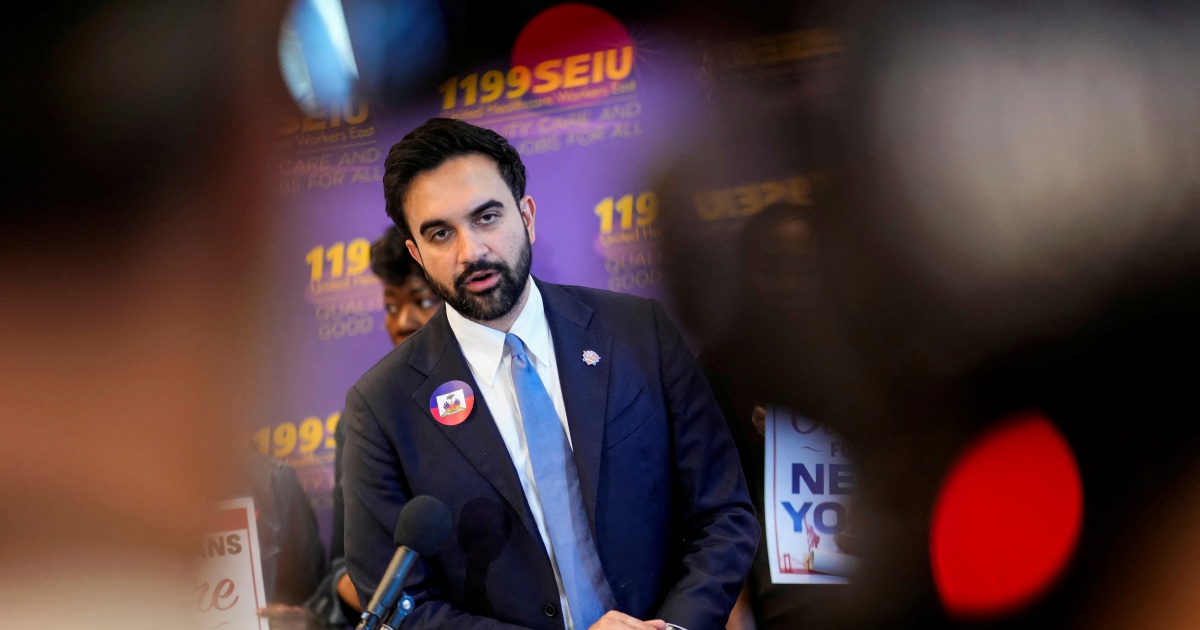
New York Mayor Zohran Mamdani has reversed course on a high-profile assertion, announcing that he lacks the constitutional and legal framework to arrest Israeli Prime Minister Benjamin Netanyahu should the latter travel to New York City. The clarification came after Mamdani had previously indicated he was seriously contemplating such action in response to allegations surrounding Israel's military conduct.
The controversy reflects the complex intersection of municipal governance, international law, and diplomatic immunity in American cities hosting major political figures. Mamdani's initial suggestion that he might pursue Netanyahu's detention had generated significant international attention and debate among legal scholars about the scope of local authority in handling cases involving foreign leaders accused of serious international crimes.
Mayor Mamdani's reconsideration underscores a fundamental principle of American constitutional law: individual cities do not possess independent prosecutorial or arrest powers over visiting dignitaries when those powers conflict with federal authority and established diplomatic protocols. The federal government maintains exclusive jurisdiction over matters involving foreign leaders and international affairs, a doctrine that has been consistently upheld in American jurisprudence.
The situation illuminates how cities like New York, despite their significant size and influence, remain subordinate to federal law on matters of national and international consequence. While local law enforcement can address ordinary crimes committed within city limits by any person, the arrest of a foreign head of state operates under entirely different legal parameters governed by international law, immunity provisions, and executive branch discretion.
For Malaysian observers, the episode offers valuable insight into how democratic systems balance local political expression with federal constitutional constraints and international obligations. Unlike unitary states where such tensions are resolved through different mechanisms, federalist countries like the United States create spaces where local leaders can voice public sentiment while remaining bound by higher legal authorities.
Mamdani's initial contemplation likely reflected genuine constituent pressure in New York, where significant communities have expressed concerns about Israeli military operations in Gaza and elsewhere. However, translating popular sentiment into official government action requires navigating established legal structures that often frustrate those seeking immediate accountability for international grievances.
The Netanyahu case also demonstrates how American cities have become forums for international political discourse, with local officials occasionally attempting to weaponize their positions to address global concerns. Yet the legal architecture consistently prevents such efforts when they implicate federal powers or conflict with the executive branch's control of foreign relations.
For Southeast Asian countries observing American governance, the incident reveals both the strengths and limitations of decentralized authority. Mayors possess real power over local affairs but cannot unilaterally pursue independent foreign policy or override federal constitutional protections, even when motivated by genuine constituent concerns.
Mamdani's reversal also highlights the distinction between political expression and governmental action. While the mayor could continue advocating for his position through speeches, statements, and political organizing, institutional and legal constraints prevent conversion of such advocacy into formal state power to detain foreign officials.
The broader implications extend beyond Netanyahu specifically. The scenario illustrates how international law, diplomatic immunity, and American constitutional structure create a multi-layered framework protecting high-ranking foreign officials from arrest by local authorities, regardless of the allegations they face or the political will of individual mayors to act.
From a regional perspective, this case reinforces principles relevant to how Southeast Asian nations interact with international accountability mechanisms and visiting foreign dignitaries. Understanding American legal constraints helps clarify why international justice often depends on voluntary cooperation, bilateral agreements, or international court mechanisms rather than unilateral local action.
Mamdani's ultimate acknowledgment that he lacked requisite authority represents a correction consistent with American constitutional principles, even if it disappointed those hoping for a dramatic assertion of local power. The episode demonstrates that even in highly decentralized systems, questions of international law and foreign relations remain reserved to national governments.

