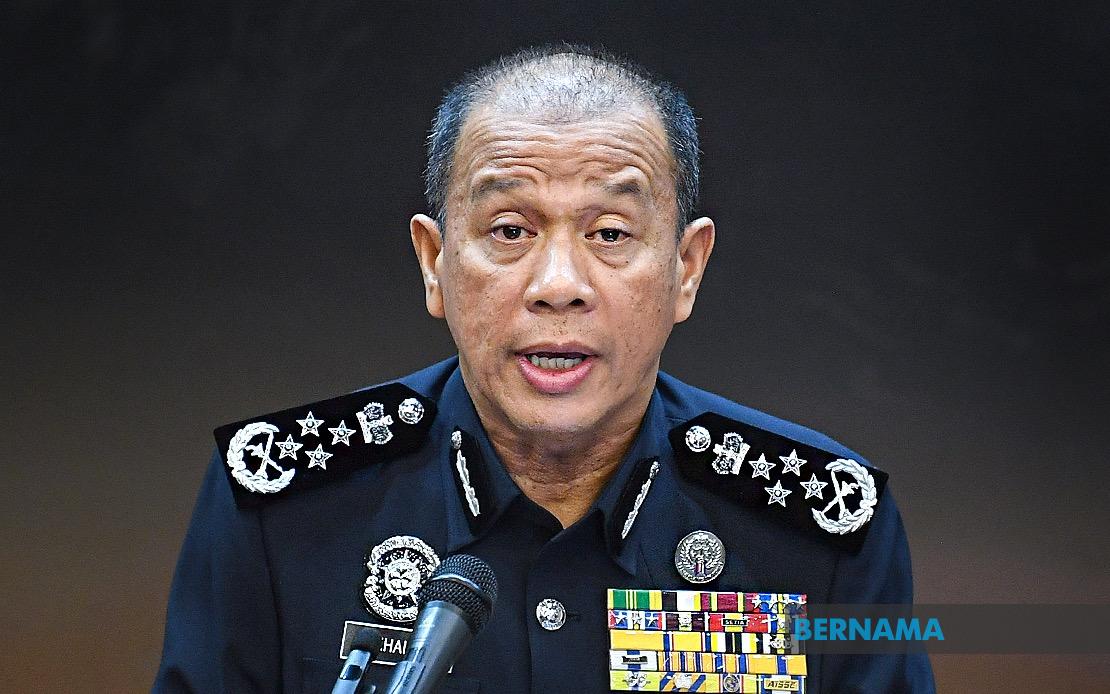
The Royal Malaysia Police has endorsed a government initiative to overhaul its promotion system, marking a significant shift in how the country's security forces will advance their careers. Inspector-General of Police Tan Sri Mohd Khalid Ismail made the announcement following Prime Minister Datuk Seri Anwar Ibrahim's remarks at the Semarak Kenegaraan programme held at Terendak Camp, where the premier signalled the government's backing for faster career progression across the armed forces and police.
The proposed reforms address longstanding frustrations within the PDRM ranks, where officers have traditionally navigated complex bureaucratic procedures to climb the career ladder. The new system aims to align police promotions more closely with the general civil service framework, potentially reducing administrative delays that have historically slowed advancement. This restructuring responds to persistent calls from personnel seeking clearer pathways and swifter recognition of merit and performance.
Tan Sri Mohd Khalid characterised the initiative as validation of the sacrifice and commitment required of those tasked with maintaining public order and national security. By removing unnecessary red tape, the government aims to demonstrate tangible appreciation for frontline officers who shoulder considerable responsibility in an increasingly complex policing environment. The endorsement reflects broader recognition that career satisfaction directly influences retention rates and operational effectiveness across the force.
The timing of this announcement carries strategic significance as Malaysia continues grappling with evolving security challenges, from urban crime to transnational threats. Personnel morale directly correlates with policing standards and public confidence in institutions. By signalling commitment to professional development, the administration seeks to strengthen institutional capability and underscore that security personnel remain valued contributors to national development rather than ancillary civil servants.
Prime Minister Anwar indicated that comprehensive details regarding the revised promotion mechanism would be unveiled during Ambang Merdeka celebrations at Stadium Merdeka on August 30. This timeline suggests the government views the announcement as sufficiently significant to warrant public launch during national commemoration events, emphasising the administration's prioritisation of security sector development as part of broader governance reform.
The Inspector-General confirmed that PDRM stands prepared to cooperate fully with implementing authorities once the framework becomes official. This readiness suggests the force has engaged constructively with government planners and anticipates operational compatibility between existing police structures and new promotion criteria. Full institutional readiness typically requires preliminary consultations, indicating substantial groundwork has occurred behind closed doors.
Within Southeast Asia's broader context, Malaysia's move reflects regional trends toward modernising public institutions and acknowledging security sector professionalism. Several neighbouring nations have implemented similar reforms, recognising that career stagnation undermines recruitment and retention of capable officers. Malaysia's approach potentially positions it favourably against competitors for experienced security professionals facing poaching by better-compensated international opportunities.
The broader implications extend beyond immediate morale considerations. Streamlined promotions theoretically enable faster injection of new ideas and contemporary approaches into leadership ranks. Younger, potentially more digitally literate officers might advance more swiftly, bringing fresh perspectives to institutional challenges including cybercrime, intelligence integration, and community-oriented policing models that increasingly define modern law enforcement.
However, transition phases always carry implementation risks. Overhauling entrenched promotion systems requires extensive training, clear guidelines, and careful monitoring to prevent unintended consequences such as perceived unfairness or inconsistent application across different police departments. The force's cooperation pledge suggests awareness of these complexities, but successful execution ultimately depends on execution quality across the entire institutional hierarchy.
For Malaysian stakeholders broadly, the reform agenda carries implications for public safety perception and confidence. Enhanced career prospects theoretically reduce resignation rates among experienced officers, maintaining institutional continuity and investigative capacity. Conversely, poorly implemented changes might create uncertainty that paradoxically undermines morale, highlighting the importance of transparent communication throughout the transition period.
The government's decision to involve both police and military in unified reform suggests a holistic security sector approach, potentially facilitating improved inter-agency coordination and joint operation capabilities. When career structures align across security institutions, personnel transitions and collaborative initiatives become administratively simpler, theoretically enhancing coordination during crises or complex operations requiring multi-agency response.
Looking forward, success metrics will likely include recruitment quality improvements, reduced turnover among mid-career officers, and measurable changes in service quality indicators. The August 30 announcement will provide crucial details about implementation timelines and specific procedural changes, allowing authentic assessment of the reform's comprehensiveness and feasibility within existing institutional frameworks.

