Malaysia's domestic employment sector has gained a significant new safeguard with the launch of a comprehensive insurance scheme by the Malaysian Association of Employment Agencies (PAPA), developed in partnership with GMAT Sdn Bhd and Allianz Malaysia. The programme directly responds to documented vulnerabilities affecting both employers and domestic workers, marking a meaningful attempt to formalise protections within an otherwise fragmented labour segment that has long operated on informal terms.
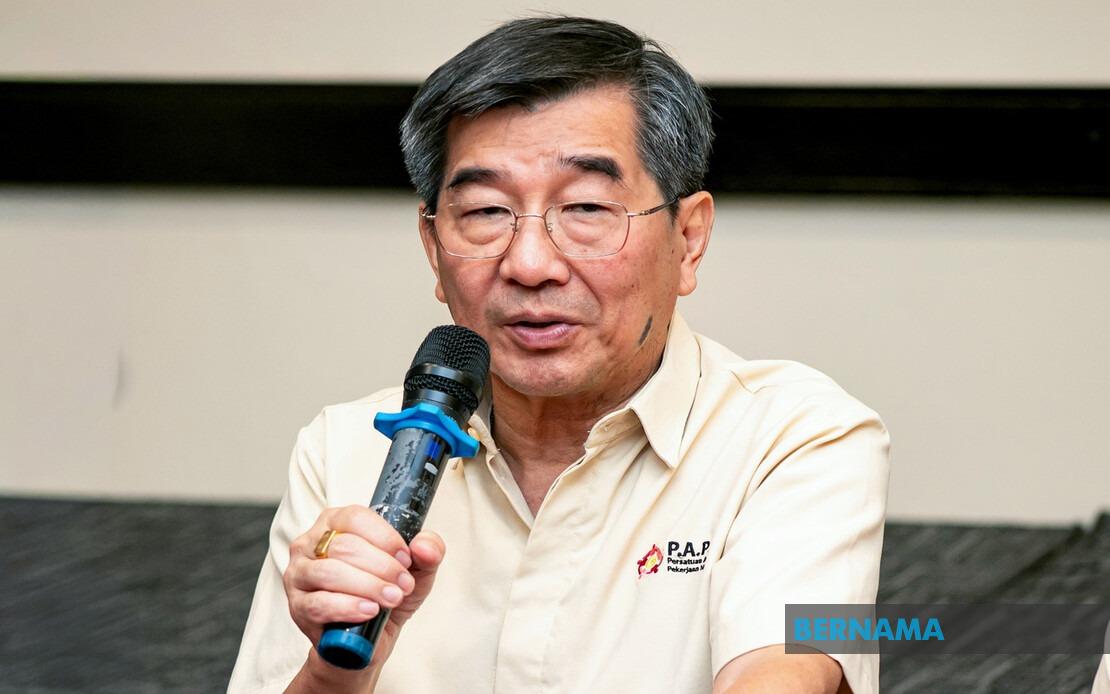
Datuk Foo Yong Hooi, PAPA's president, identified a critical structural vulnerability that has persisted within the domestic worker recruitment framework. Employers typically receive guarantee coverage lasting between three to six months after hiring a domestic worker, but once this initial protection period expires, they face substantial and uninsured financial exposure. This temporal gap has created an asymmetry of risk, leaving employers particularly vulnerable during the vulnerable transition period when employment relationships are still being established. The new scheme directly addresses this temporal mismatch by extending protection well beyond conventional guarantee windows.
The insurance framework introduces several previously unavailable protections, most notably compensation for worker abscondment. Under the scheme's structure, employers receive RM5,000 in compensation if a domestic worker abandons employment during the insured period, directly offsetting recruitment expenses and placement costs. This represents a substantial recognition of the actual financial losses employers face when workers depart unexpectedly. However, the scheme demonstrates measured risk management by limiting this abscondment benefit primarily to the first year of employment—the period identified as highest-risk—while maintaining other protective features such as personal accident and hospitalisation coverage throughout the policy duration.
The hospitalisation and surgical benefits represent another substantive innovation. Domestic workers, typically classified as informal sector employees, have historically fallen outside standard occupational health coverage frameworks. The scheme extends medical protection beyond workplace-related injuries to encompass general illnesses, a distinction critical for a workforce often facing health vulnerabilities with minimal alternative safety nets. Workers receive weekly compensation for up to twelve weeks if medically certified as unable to work, providing income continuity during recovery periods. Additionally, the programme offers limited assistance for replacement of essential documents such as passports, addressing a practical challenge frequently encountered by migrant domestic workers.
Foo emphasized that this scheme substantially improves upon an earlier abscondment insurance programme discontinued approximately two decades ago. That earlier initiative encountered systemic difficulties with fraudulent claims that ultimately undermined its viability. The current framework appears designed with enhanced anti-fraud safeguards and broader scope, suggesting lessons learned from that earlier experience. The distinction matters significantly for programme credibility and long-term sustainability within the employer community.
A fundamental gap this scheme addresses involves medical coverage classification. Malaysia's Social Security Organisation (PERKESO) provides coverage restricted to work-related accidents and occupational diseases, leaving entirely uninsured the broad spectrum of non-occupational health events. Domestic workers requiring treatment for pre-existing conditions or acute illnesses unrelated to employment have historically placed unexpected financial burdens on employers discovering these conditions only after employment commenced. This insurance framework bridges that specific gap, recognizing that comprehensive health protection requires extending beyond occupational boundaries.
The programme intentionally avoids limiting access to PAPA membership alone. While initially introduced for member agencies, the scheme remains available to other employers maintaining domestic workers, broadening its potential coverage and impact across Malaysia's domestic employment landscape. This inclusive approach recognizes that informal domestic employment arrangements exist well beyond formal agency networks, and extending protection options serves both equity and pragmatic coverage objectives.
From an operational perspective, GMAT Sdn Bhd's chief executive officer M. Marimuthu outlined accessible purchasing mechanisms, with policies available through online channels. The reimbursement structure accommodates private hospital expenses subject to defined limits, providing domestic workers access to private sector healthcare options while maintaining cost containment for insurers. This flexibility addresses a practical consideration for workers seeking timely medical attention, as private facilities often offer shorter wait times than public healthcare alternatives.
The domestic worker employment relationship in Malaysia carries particular significance given the sector's substantial scale and the specific vulnerabilities characterizing informal labour arrangements. Approximately 1.7 million foreign domestic workers operate within Malaysian households, with countless additional local workers similarly engaged. This scheme's introduction reflects growing recognition that informal sector protections require deliberate policy architecture rather than assumption that standard employment frameworks automatically extend to such workers.
Beyond immediate participant benefits, this insurance framework carries broader implications for formalising Malaysia's informal employment sector. By introducing standardized protective mechanisms, the scheme establishes reference standards against which other informal employment categories might be measured. The programme demonstrates that risk management instruments designed specifically for informal sector characteristics can function effectively when properly structured. For policymakers, this represents tangible evidence that protection for informal workers need not await full employment formalization—targeted insurance mechanisms can advance protection incrementally.
The scheme arrives amid sustained global attention to domestic worker protections following high-profile cases involving exploitation, abuse, and unsafe working conditions. Malaysia's participation in this protection trend, through private sector-driven insurance innovation rather than direct government mandate, reflects the practical reality that insurance markets can address specific vulnerabilities when structured appropriately. The framework incentivizes employer responsibility—protecting genuine workers—while establishing financial consequences for labour market misconduct.

