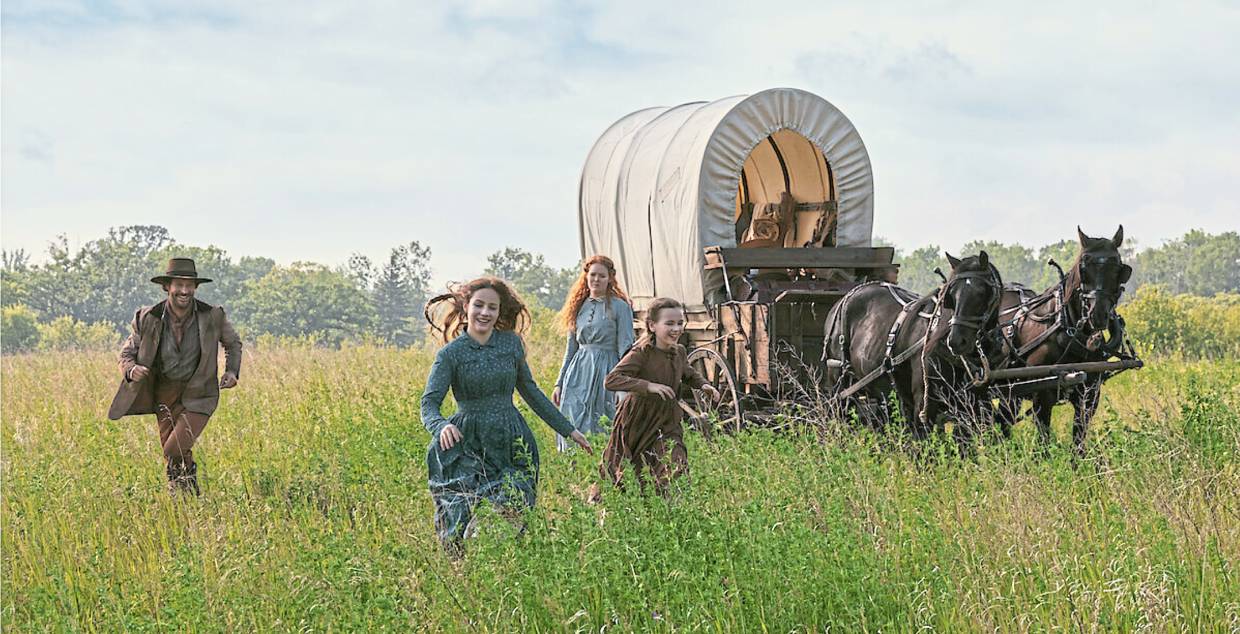
Australian actor Luke Bracey is stepping into one of television's most iconic roles as Charles Ingalls in Netflix's forthcoming 2026 adaptation of 'Little House on the Prairie,' a project that demonstrates the enduring appeal of the 1935 novel by Laura Ingalls Wilder across generations. The streaming giant's interpretation of this classic American story comes nearly five decades after NBC's celebrated television run, signalling that the narrative of frontier family life continues to resonate with audiences seeking stories rooted in authenticity and emotional depth.
The narrative foundation upon which the new adaptation rests remains fundamentally unchanged: a family navigating the challenging landscape of 19th-century America while confronting hardship, personal growth, and the bonds that hold households together through adversity. According to Bracey, the consistency of the story's emotional core explains its remarkable longevity in popular culture. He attributes the persistent affection for the Ingalls family not to superficial appeal but to something more substantive—the universal themes of familial love and perseverance that transcend historical context. The actor's perspective suggests that storytellers and audiences alike have recognised something valuable in watching a family endure and ultimately triumph through mutual support and commitment.
The casting ensemble surrounding Bracey includes Alice Halsey as Laura Ingalls, the novel's central character and the lens through which audiences experience frontier life. Caroline Ingalls, the family's stabilising maternal presence, is portrayed by Crosby Fitzgerald, while Skywalker Hughes takes on the role of Mary, Laura's elder sister. This configuration allows the narrative to explore family dynamics from multiple perspectives while maintaining the intimate focus that made the original source material so compelling. The intergenerational storytelling approach provides opportunities to examine how different family members processed the same experiences and challenges.
Netflix's creative approach distinguishes itself by incorporating contemporary historical consciousness into its adaptation. Rather than presenting frontier life in purely nostalgic or romanticised terms, the production engages deliberately with settler-colonial narratives and Indigenous perspectives, reflecting modern audiences' expectations for more complete and nuanced historical representation. This reframing does not fundamentally alter the family's experiences but contextualises them within broader historical realities, offering viewers a more sophisticated understanding of the period.
Halsey's reflections on her character's lived experience illuminate one dimension this contemporary lens brings to the story. The actress noted the stark gender disparities that defined childhood and educational opportunities for girls in the 1800s, observing that boys enjoyed privileges and learning opportunities systematically denied to their female counterparts. This articulation of historical inequality would have been implicit rather than explicit in earlier adaptations, but naming these structural limitations directly allows modern viewers to appreciate Laura's agency and achievements within properly understood constraints. Halsey emphasised that many avenues of personal development she takes for granted today would have been entirely foreclosed to her had she lived during Laura's era.
The production has already demonstrated sufficient promise that Netflix commissioned a second season before the first episode premiered, a decision that underscores the network's confidence in both the creative vision and the material's contemporary relevance. Rebecca Sonnenshine serves as creator and showrunner, steering the project through development and execution with responsibility for maintaining narrative coherence across multiple seasons. Her leadership position suggests that the adaptation will pursue thematic depth rather than relying solely on period aesthetics or nostalgic familiarity.
Skywayker Hughes's comments about cast experiences during filming reveal the collaborative spirit animating the production. Her enthusiasm about the memories created during the initial production phase and her anticipation of future seasons suggest an ensemble genuinely invested in their characters and the story's trajectory. For Malaysian and Southeast Asian audiences, this global perspective on an American classic demonstrates how stories rooted in specific historical moments can achieve genuinely international appeal when they centre universal human experiences.
The decision to revisit this material now reflects broader entertainment industry trends toward reconsidering established intellectual property through contemporary sensibilities. Rather than direct remakes that slavishly replicate earlier versions, producers increasingly seek to honour source material while incorporating modern production values, casting diversity, and historical awareness. Netflix's approach positions the Ingalls family's struggles as relevant to audiences navigating their own contemporary challenges, whether related to economic uncertainty, community, or family cohesion.
For viewers across the Asia-Pacific region, the arrival of this adaptation on a global streaming platform means immediate access to a formative text of American cultural mythology. The story of pioneers building lives in unfamiliar territory resonates differently depending on one's geographical and cultural position, but the fundamental narratives of displacement, adaptation, and perseverance translate across contexts. The production's willingness to complicate the frontier mythology by acknowledging Indigenous experiences and colonial violence creates space for more critical engagement with historical narratives generally.
The timing of this reboot within the broader television landscape suggests sustained interest in character-driven narratives that prioritise emotional authenticity over spectacle. As streaming services compete for subscriber attention, productions that can generate word-of-mouth enthusiasm and repeat viewing prove particularly valuable. The Ingalls family's story possesses the narrative elasticity to sustain multiple seasons while exploring different themes and character trajectories, which likely influenced Netflix's decision to greenlight additional seasons.

