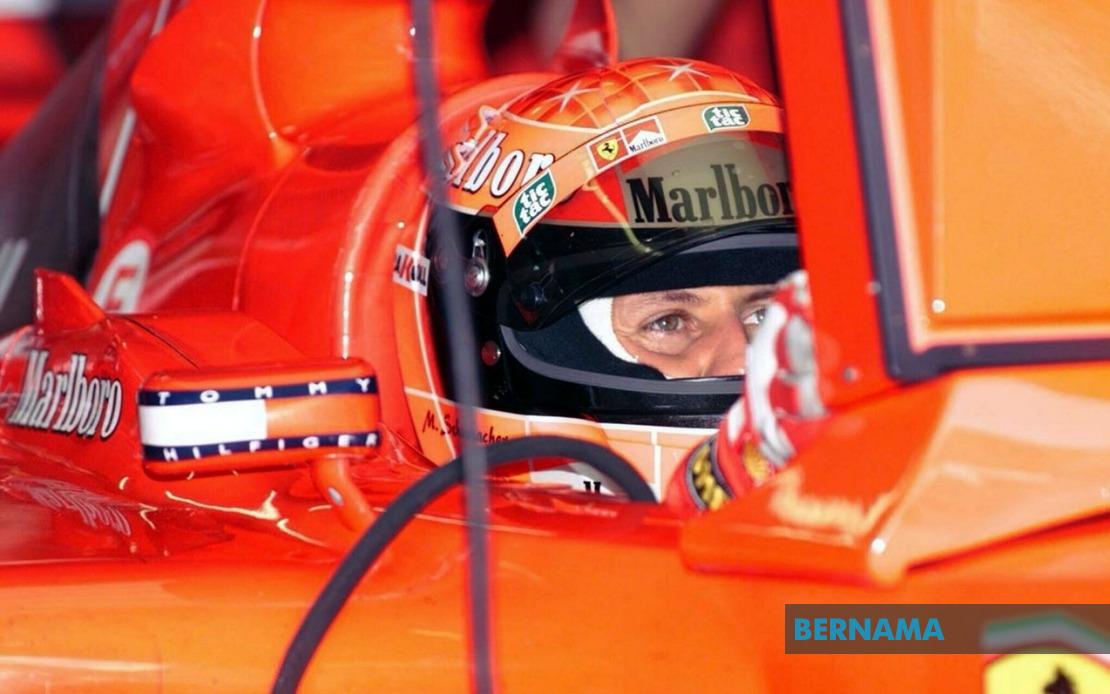
Streaming giant Netflix has announced plans to release a comprehensive documentary examining the life and career of legendary Formula One driver Michael Schumacher, with the film set to premiere on October 2. The project represents a significant undertaking given the complexity of Schumacher's legacy and the contentious circumstances surrounding key moments in his racing career. Produced in collaboration with his wife Corinna, the documentary takes viewers back to one of motor sport's most pivotal yet turbulent seasons—1994—when the German driver claimed the first of his record-tying seven world championships at just 25 years old.
That particular season carries enormous historical weight in Formula One circles, encompassing not merely sporting triumph but also deep tragedy and lasting controversy. The championship itself came down to a single point separating Schumacher from British competitor Damon Hill, with their decisive confrontation occurring at the season-ending Adelaide Grand Prix in Australia. What makes this finale particularly notable is the highly disputed nature of their collision during the race, an incident that remains hotly debated by fans and analysts decades later. The manner in which Schumacher secured this narrow victory has fuelled persistent questions about the legitimacy of his achievement and the sporting ethics displayed during that memorable contest.
Beyond the competitive drama, the 1994 season was marked by a series of catastrophes that reshaped the sport forever. The campaign witnessed the deaths of both Roland Ratzenberger and Ayrton Senna, a three-time world champion whose fatal accident at Imola sent shockwaves throughout the international motorsports community. These tragic events, occurring within days of each other, prompted widespread soul-searching about safety standards and the dangers inherent in high-speed racing. The documentary promises to contextualise Schumacher's championship triumph within this sombre backdrop, presenting his victory not in isolation but as part of a season defined by both human achievement and profound loss.
Another significant strand running through that championship year involved technical controversy centring on Schumacher's Benetton team. The squad faced sustained allegations that their vehicle violated racing regulations, with critics pointing to various technical features as potential breaches of the sport's technical rules. These accusations created an undercurrent of scepticism around Schumacher's performances and contributed to an atmosphere of uncertainty surrounding the legitimacy of his campaign. The documentary will revisit these disputes, offering viewers detailed examination of one of Formula One's most contentious technical debates.
The film benefits from access to multiple key figures who directly participated in or witnessed the events of 1994. Corinna Schumacher's involvement lends intimate family perspective to the narrative, while contributions from former Benetton principal Flavio Briatore provide insider knowledge of the team's operations and perspective on the technical controversies. Legendary former commercial chief Bernie Ecclestone brings decades of Formula One institutional memory, having overseen the sport's governance during this turbulent period. Additional interviews with former driver David Coulthard and Schumacher's then-manager Willi Weber offer varied viewpoints from those closely involved with the champion at that critical juncture in his career.
Another notable theme the documentary addresses is the emergence of what became known as "Schumi-mania" in Germany following Schumacher's championship success. This phenomenon represented a significant moment in German sports culture, with Schumacher becoming a national icon whose achievements transcended motor racing and captured widespread public imagination. His status as a homegrown world champion sparked unprecedented enthusiasm for Formula One throughout Germany, transforming the sport's popularity in a major European market and establishing Schumacher as a cultural figure beyond the sporting arena.
Schumacher's narrative has taken on particular poignancy in recent years due to circumstances entirely removed from his competitive achievements. Now 57 years old, the former champion has largely withdrawn from public life following a serious head injury sustained during a skiing accident in 2013. Since that incident, he has made virtually no public appearances, remaining largely out of view despite occasional reports about his condition. The documentary thus arrives at a moment when public interest in understanding Schumacher's life story and competitive legacy has intensified, particularly given the limited access to the man himself.
The timing and approach of this Netflix project hold special resonance for Southeast Asian audiences, where Formula One maintains substantial viewership and where sports documentaries exploring controversial or complex historical moments have proven increasingly popular. The documentary's examination of technical rules violations, questionable driving tactics, and the ethical dimensions of competitive sport speaks to broader conversations about fair competition and sporting integrity that transcend geographical boundaries. Asian sports fans and analysts will likely find the detailed exploration of the 1994 season and its aftermath particularly compelling given growing regional interest in formula racing and motorsports more broadly.
For Malaysian viewers specifically, this documentary offers an opportunity to reassess one of Formula One's most pivotal chapters through a modern production lens, combining archival footage with contemporary reflections from those directly involved. The film's investigation into how sporting bodies manage controversy, safety concerns, and questions of legitimacy carries relevance beyond motor racing, informing broader discussions about institutional accountability and integrity in competitive sports across the region. The October 2 release date positions this as a major cultural event in the streaming calendar, particularly for enthusiasts of Formula One and sports documentaries who continue to seek deeper understanding of the sport's most transformative and contested moments.

