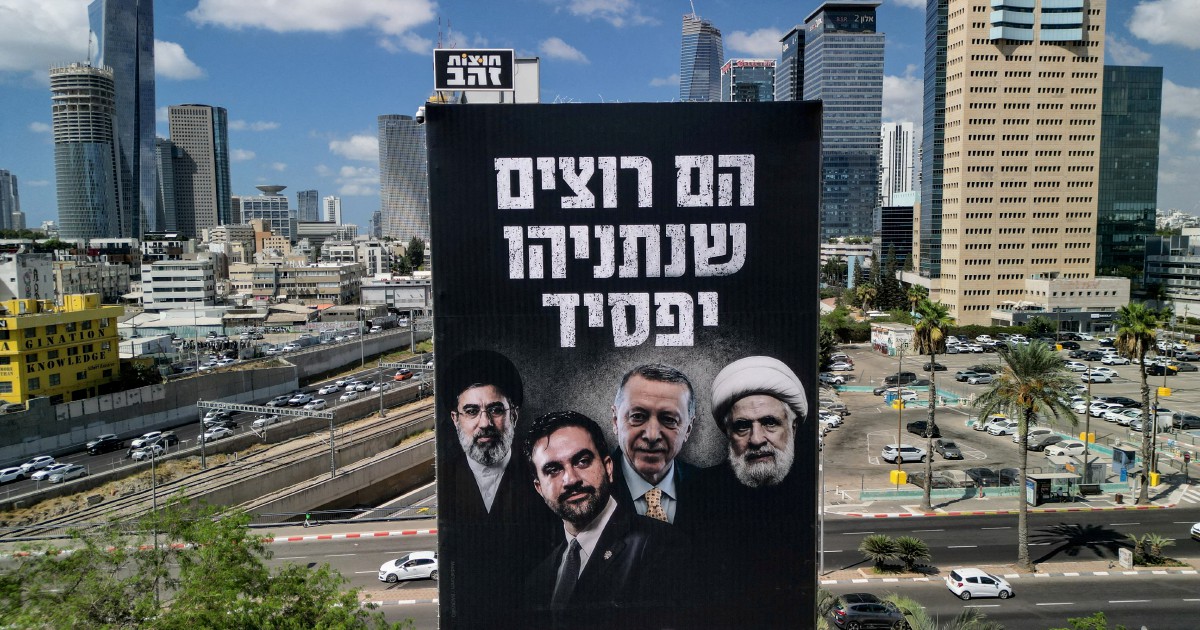
Israel's Likud party concluded its candidate selection process on Monday, marking a critical juncture for Prime Minister Benjamin Netanyahu as his right-wing political movement prepares for a general election scheduled for October 27. The internal party vote represents more than a routine procedural exercise—it signals the beginning of what polling data indicates will be a closely contested election in which Netanyahu's political dominance faces meaningful challenge from opposing coalitions.
The timing of this internal ballot carries particular significance given the broader political climate in Israel. Netanyahu's Likud party has long served as the dominant force in Israeli politics, yet recent months have seen a notable erosion of public support and growing fragmentation across the political spectrum. The decision to hold the candidate selection now reflects the party leadership's recognition that the forthcoming electoral contest will demand a carefully calibrated campaign strategy, beginning with the selection of candidates capable of mobilising the party's base while appealing to persuadable voters across the centre-right spectrum.
For Malaysian observers and Southeast Asian analysts tracking Israeli politics, this development offers insights into how even traditionally dominant political movements must adapt when facing genuine electoral competition. The parallel with regional politics is striking: just as authoritarian-leaning or long-ruling governments elsewhere in Asia have encountered tightened races and shifting voter preferences, Netanyahu's Likud confronts a more fractious electorate than it has managed in previous cycles. The internal party election thus serves as a bellwether for the government's perceived performance and public satisfaction with its governance.
The weakened position referenced in assessments of Likud's current standing reflects multiple intersecting pressures. Netanyahu himself remains a polarising figure in Israeli politics, with supporters viewing him as a steadying experienced hand while critics point to various controversies and policy disputes. This polarisation has created space for alternative political movements to consolidate support, particularly among centrist and left-leaning voters seeking alternatives to the incumbent government's direction.
The selection of candidates for any major political party involves both technical considerations and deeper strategic questions about party positioning. Likud's deliberations would have involved assessments of which individuals could best represent the party in their respective districts, carry party messaging effectively in campaign communications, and ultimately convert public backing into parliamentary seats. The composition of the candidate list thus becomes a window into how the party leadership understands its electoral coalition and which voter segments require special attention to retain or regain support.
Israeli electoral dynamics carry relevance for Southeast Asian political observers in several respects. The proportional representation system used in Israel creates very different incentive structures compared to first-past-the-post systems in some regional democracies, yet the fundamental dynamics of coalition-building, voter mobilisation, and political messaging transcend institutional differences. Netanyahu's situation—where a long-serving leader of a traditionally dominant party faces electoral vulnerability—presents a case study in how political tenure, governance performance, and factional disputes can erode electoral dominance even among well-established political movements.
The October 27 election follows a pattern of repeated Israeli electoral contests in recent years, with the country having held multiple general elections since 2019. This frequency of elections itself reflects the difficulty of forming stable governing coalitions, a challenge that has plagued Israeli politics and directly affected Netanyahu's political calculations. Each electoral cycle offers opportunities for political realignment and shifting coalition possibilities, meaning that Likud's specific candidate choices have consequences extending well beyond the party's own fortunes—they potentially influence which coalition combinations become viable post-election.
The internal voting process that concluded Monday sends signals to both the Israeli electorate and international observers about the party's confidence level and campaign readiness. A smooth candidate selection process with broad consensus typically indicates party unity going into an election campaign, whereas contested selections sometimes reflect underlying factional tensions. The outcome of Likud's internal vote thus carries implications for how cohesively the party can execute its campaign strategy over the coming months.
For investors and businesses monitoring Israeli political stability, the electoral competitiveness now evident in polling data warrants attention. Elections in any major Middle Eastern economy create periods of policy uncertainty, potentially affecting decision-making regarding economic investments, regulatory matters, and strategic initiatives. The tightened race in the forthcoming October election suggests that governance priorities and policy directions could shift meaningfully depending on final results and subsequent coalition negotiations.
The broader context of this candidate selection extends beyond Netanyahu's personal political fortunes to encompass questions about Israel's long-term political direction. The issues on which Likud will campaign—including security policy, Palestinian affairs, economic management, and social cohesion—represent fundamental questions shaping not merely Israeli domestic politics but also regional security dynamics affecting neighbouring countries and international actors maintaining interests in the Middle East.
Likud's transition from what was once an almost hegemonic political position to a party facing genuine electoral uncertainty reflects broader patterns visible across many democracies where changing voter preferences, demographic shifts, and generational turnover create openings for political competition. The candidate selection completed Monday essentially launches Netanyahu's bid to reverse this erosion of support and reassert Likud's electoral dominance before polling day on October 27.

