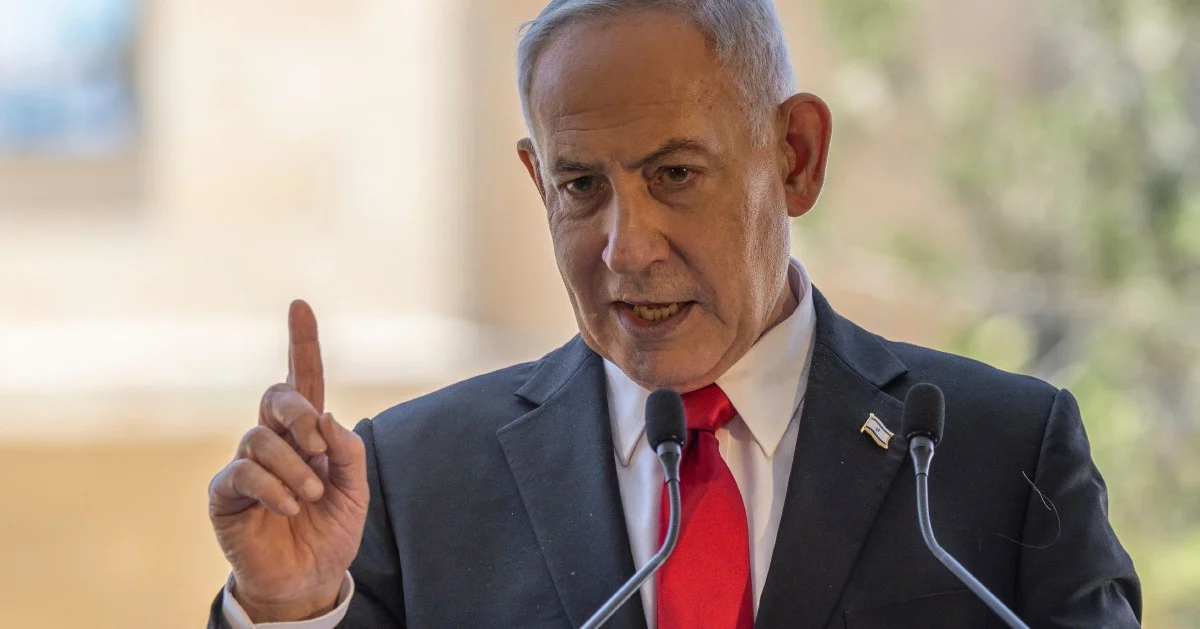
Israeli Prime Minister Benjamin Netanyahu's administration is working at a rapid pace to advance a slate of contentious legislative measures through parliament before the chamber is scheduled to dissolve in the coming days. The move comes with national elections set to take place approximately four months following the Knesset's dissolution, setting the stage for a compressed legislative calendar that has drawn considerable pushback from opposition parties.
The timing of the legislative push reflects a familiar pattern in Israeli politics, where governing coalitions often attempt to entrench policies or reshape institutional frameworks during transition periods before returning to voters. By advancing bills during the final weeks before an election cycle officially begins, the Netanyahu administration can potentially lock in decisions that might prove difficult to reverse, even if the political composition of the next parliament changes significantly. This acceleration strategy has become increasingly common as Israeli governments recognise the window of opportunity before dissolution proceedings curtail legislative activity.
Opposition figures have characterised the initiative as an attempt to bypass normal democratic processes and avoid the scrutiny that typically accompanies pre-election periods. Critics argue that such rapid-fire legislation prevents adequate public debate and parliamentary examination of measures that could have far-reaching consequences for Israeli society. The opposition's resistance highlights fundamental disagreements over governance procedures and the appropriate role of an outgoing government during transition phases.
The bills under consideration touch on multiple policy domains, suggesting a comprehensive effort to advance the government's broader agenda rather than addressing isolated issues. The breadth of the legislative programme indicates Netanyahu's coalition is attempting to settle longstanding ideological and policy questions before facing voters. Such comprehensive legislative packages often become flashpoints for political conflict, as they may affect constitutional arrangements, resource allocation, or institutional power structures that will extend well beyond the current parliamentary term.
Israeli parliamentary dissolution typically initiates a formal caretaker period where the outgoing government assumes a limited role, though the exact parameters remain subjects of ongoing legal interpretation and political dispute. The timing of advancing controversial legislation immediately prior to this transition amplifies political tensions, as opposition parties perceive the strategy as circumventing the customary constraints on a caretaker administration. This procedural conflict reflects deeper disagreements within Israeli society about the proper scope of government authority during election transitions.
The electoral calendar in Israel operates differently from many democracies, with the possibility of snap elections and relatively shorter campaign periods compared to fixed election schedules in other nations. This structural feature creates periodic urgency around legislative windows, as governing coalitions recognise that their parliamentary control may be ephemeral. For Malaysian and Southeast Asian observers, this demonstrates how institutional design shapes political behaviour, even within ostensibly similar democratic frameworks.
International experience suggests that expedited legislation during pre-election periods frequently generates court challenges or legal complications when successor governments seek to modify or overturn contested measures. The potential for litigation over measures rushed through parliament adds another layer of uncertainty to the legislative agenda. Netanyahu's government appears willing to accept this risk as a necessary cost of advancing its policy preferences during its remaining time in office.
The current initiative also reflects broader coalition dynamics within Netanyahu's government. Coalition partners, particularly those on the ideological right or representing specific constituencies, likely view the pre-election period as their final opportunity to secure legislative victories on issues important to their bases. This dynamic intensifies pressure to advance multiple bills simultaneously, as individual coalition members fear that failure to act now could mean indefinite postponement if the political composition changes after elections.
For regional observers in Southeast Asia, the Israeli parliamentary situation illustrates how electoral competition intersects with legislative activity in fragmented political systems where coalition governments are common. The urgency to lock in policy achievements reflects concerns that electoral shifts could dramatically alter a government's legislative capacity or ideological direction. Understanding these dynamics provides insight into coalition behaviour across multiple democracies facing similar institutional pressures.
The opposition's mobilisation against the bills demonstrates parliament's capacity to function as a constraint on executive power, even as the ruling coalition retains numerical advantage. Opposition parties have employed various parliamentary procedures to slow legislation, from procedural motions to public campaigns challenging specific measures. These resistance efforts highlight the importance of institutional safeguards in limiting majority power, though their ultimate effectiveness depends on whether they can materially delay passage of bills or shift public opinion against them.
The substantive content of the contested bills remains subject to ongoing negotiation and parliamentary debate, with specific proposals potentially modified as they advance through legislative stages. The uncertainty surrounding final legislative language underscores how pre-election periods often involve last-minute compromises and adjustments designed to accommodate coalition pressures while securing sufficient votes for passage.
As the dissolution date approaches, the intensity of legislative activity is likely to increase further, with the Netanyahu government prioritising bills it considers most essential to its political legacy and long-term policy objectives. The compressed timeline creates pressure for prioritisation, forcing coalition partners to negotiate which bills receive final consideration before the Knesset formally terminates its session. This negotiation process will ultimately determine which controversial measures successfully navigate parliament and which fall victim to the time constraints imposed by the election cycle.

