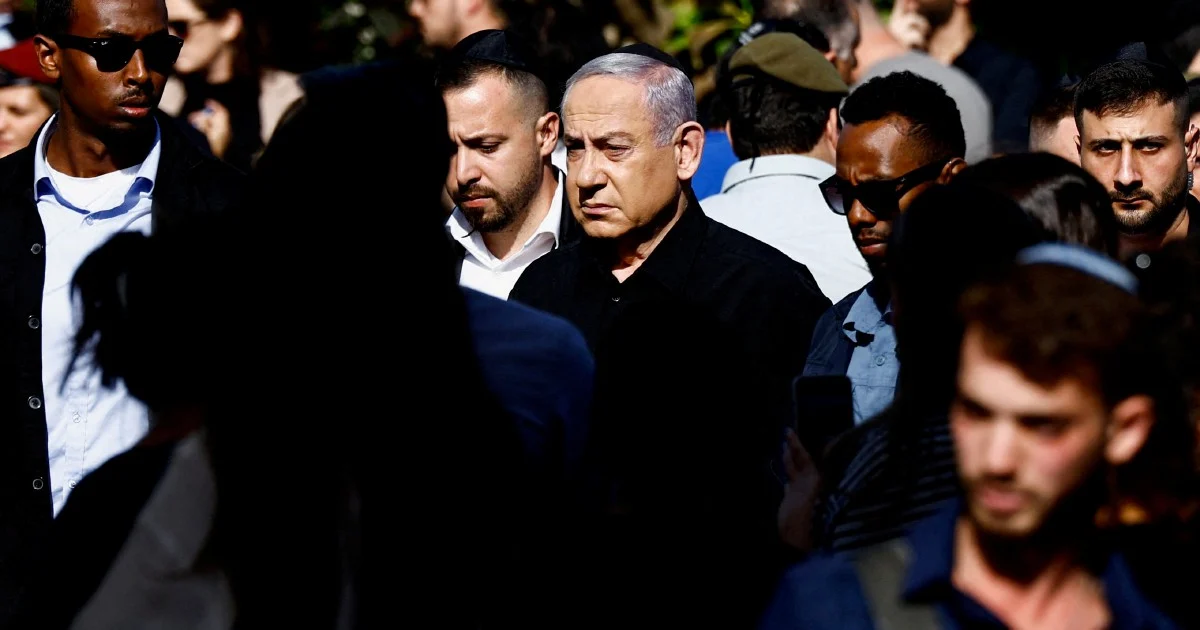
Israeli Prime Minister Benjamin Netanyahu has finished testifying in his corruption cases, the justice ministry confirmed on Wednesday, bringing a significant procedural milestone in trials that have consumed considerable political attention and judicial resources over the past years. The completion of his testimony marks a substantial progression in the legal proceedings that have shadowed Netanyahu's tenure as the country's most senior political figure and raised questions about the intersection of legal accountability and executive leadership in Israeli politics.
The timing of Netanyahu's testimony conclusion coincides with heightened regional instability stemming from American diplomatic initiatives toward Iran, developments that have become a focal point of Israeli security concerns. The Netanyahu administration has consistently maintained that any rapprochement between Washington and Tehran represents a fundamental threat to Israeli interests, citing historical tensions and Iran's stated opposition to the Jewish state as justification for this hardline position. This geopolitical context provides essential background for understanding the political environment in which Netanyahu faces his legal challenges.
Israel's relationship with the incoming American administration remains complex and multifaceted. Netanyahu has repeatedly articulated concerns that negotiations or agreements reducing sanctions on Iran could accelerate nuclear weapons development and destabilise the Middle East. The Prime Minister's government has argued that such diplomatic initiatives undermine the security architecture that Israel depends upon, particularly given the absence of direct military capabilities to counter Iranian regional influence unilaterally.
The corruption allegations against Netanyahu include charges spanning financial impropriety and breach of public trust. Throughout the extended legal process, Netanyahu has maintained his innocence whilst simultaneously claiming that the proceedings represent politically motivated persecution. His testimony, which now concludes, represents the central act in his own defence and constitutes the culmination of months of courtroom appearances that have tested the boundary between prime ministerial duties and legal obligations.
The Israeli justice system's handling of the Netanyahu cases carries implications beyond individual accountability. The proceedings demonstrate how democracies manage situations where leaders face serious allegations whilst retaining executive power, a scenario that challenges both judicial independence and political stability. Netanyahu's continued premiership throughout the trials reflects the complexity of removing sitting leaders in parliamentary systems, where a sitting government may command legislative support even whilst its leader faces trial.
For Malaysian observers and regional policymakers, the Netanyahu trials illuminate broader questions about judicial systems, executive power, and democratic institutions. Southeast Asian nations grapple with similar tensions between accountability and governance, making the Israeli case study relevant to understanding how different democracies resolve these tensions. The willingness of Israeli courts to proceed against a sitting prime minister reflects institutional strength, yet simultaneously raises questions about whether such proceedings impose undue burdens on executive function during periods of regional instability.
The broader Middle East dynamics contextualising Netanyahu's legal situation underscore how internal political pressures intersect with external security challenges. Israel faces competing pressures to maintain deterrence against Iran whilst navigating American foreign policy shifts that the Netanyahu government views as strategically disadvantageous. The convergence of these factors creates a complex environment where the Prime Minister confronts simultaneous legal and diplomatic challenges.
Netanyahu's conclusion of testimony does not imply imminent resolution of the cases themselves. The judicial process now advances to defence closing arguments and ultimately verdicts that could span months or longer. Throughout this period, Netanyahu remains in office and continues managing both the Prime Minister's portfolio and the ongoing conflicts that dominate Israeli security policy. This parallel existence—simultaneously the accused and the nation's chief executive—presents unprecedented challenges for Israeli governance.
Regional observers note that the resolution of Netanyahu's legal cases could significantly influence Israeli politics and, by extension, Middle Eastern diplomatic relations. A conviction could precipitate early elections and government transition, potentially reshaping Israel's approach to Iran negotiations, Palestinian affairs, and broader regional partnerships. Conversely, acquittal would vindicate Netanyahu's claims of persecution and likely strengthen his political standing amongst his core supporters. Either outcome carries implications extending far beyond Israel's borders.
The intersection of Netanyahu's legal proceedings with American-Iranian diplomacy illustrates how domestic judicial processes and international relations increasingly intertwine. Israel's security community watches both the courtroom and Washington with equal attention, aware that both venues will shape the country's strategic posture. For Malaysian policymakers and Southeast Asian governments monitoring Middle East stability, the evolution of Netanyahu's trials and its potential political consequences warrants continued attention, as Israeli political transitions could alter the regional balance and America's diplomatic engagements throughout Asia.