Nepal's government has committed to safeguarding DNA evidence and other identifying materials from the bodies of flood victims who remain unidentified, according to a statement released by Prime Minister Balendra Shah on Saturday. The policy reflects the authorities' determination to maintain the possibility of identifying casualties even after they are laid to rest, recognising the profound importance of allowing families eventual closure and proper burial rites according to their customs and beliefs.
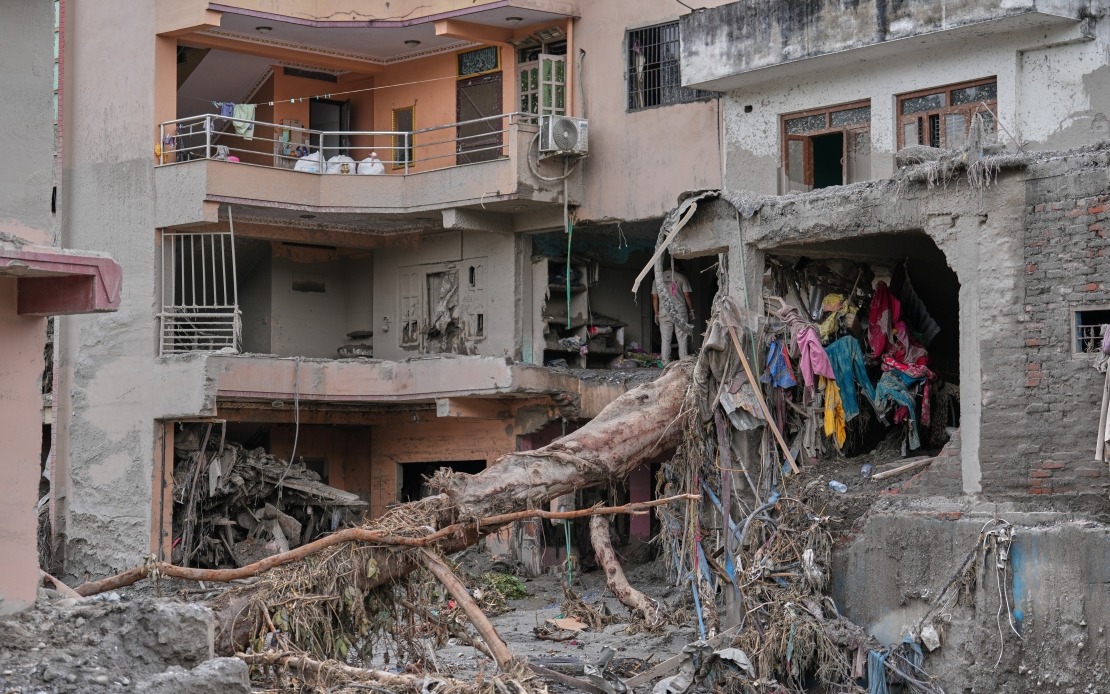
The catastrophic flooding of the Bhotekoshi River on August 26 unleashed destructive forces across a significant stretch of mountainous terrain in central Nepal. The disaster has affected multiple districts along the river corridor, with the most severe impacts recorded in Rasuwa, Nuwakot, and Dhading. However, the floodwaters have also reached communities in lower-altitude regions, including parts of Chitwan, Tanahun, Gorkha, Nawalparasi East, and Nawalparasi West, demonstrating the extensive geographical reach of this natural calamity.
According to government reports released five days after the initial disaster, search and rescue teams have recovered 675 bodies from various locations across the affected districts. This sobering figure underscores the magnitude of the human toll, though the final death count may increase as rescue operations continue in remote and difficult-to-access areas where communications infrastructure has been severely damaged. Beyond the loss of life, the flooding has inflicted widespread destruction on physical infrastructure, agricultural lands, and essential services throughout the river corridor, compounding the humanitarian crisis.
The decision to preserve DNA samples from unidentified remains represents a significant humanitarian and forensic undertaking. Prime Minister Shah emphasised that only bodies that cannot be identified through conventional means will be managed by government authorities for burial or cremation, but only after comprehensive procedures for evidence collection have been completed. This approach balances the urgent need to manage large numbers of deceased with the imperative to maintain investigative possibilities for future identification efforts.
The preservation of biological evidence is particularly crucial in mountainous regions like Nepal, where flooding often carries bodies considerable distances from their origins, separating them from documents or personal effects that might facilitate identification. Families of missing persons may travel for weeks or months to identify deceased relatives through photographs or physical characteristics, and some bodies may only be identified years later when DNA technology becomes available or when additional contextual information emerges. By systematically collecting and storing genetic material, Nepal's authorities are investing in future possibilities for closure.
This disaster carries particular significance for regional disaster preparedness discussions. Southeast Asian nations including Malaysia, Thailand, Vietnam, and Indonesia frequently experience severe monsoon flooding and typhoon-related inundation, and the challenges Nepal now faces—mass casualty management, infrastructure collapse, and victim identification—are scenarios all regional governments must contemplate. Nepal's response methodology may inform regional protocols for managing large-scale natural disasters, particularly the integration of forensic procedures with the practical demands of rapid burial in culturally sensitive contexts.
The Bhotekoshi River basin, situated in the steep topography of the central Himalayan foothills, is particularly vulnerable to flash flooding during monsoon season. The convergence of heavy rainfall and topographical constraints creates conditions for rapid water rise and destructive velocity. Climate scientists have noted that extreme weather events appear to be increasing in frequency and intensity across the Hindu Kush-Himalayan region, suggesting that Nepal and its neighbours may face recurrent disasters of similar magnitude in coming decades unless significant infrastructure investment and early warning systems are enhanced.
For Malaysian authorities and regional disaster management agencies, Nepal's experience provides critical insights into the organisational and technical challenges of managing mass casualties. The requirement to process, preserve evidence from, and eventually dispose of hundreds of bodies simultaneously strains even well-resourced systems. The need for coordination across multiple districts, the logistical complexity of maintaining cold storage or preservation facilities in remote areas, and the cultural sensitivity required when managing remains from diverse ethnic and religious communities all represent challenges that Malaysian emergency services may face in their own contingency planning.
The announcement also highlights the importance of international cooperation in disaster response. Nepal's government will likely require technical assistance from international forensic experts and DNA analysis facilities, as domestic capacity may be insufficient to process such large volumes of biological evidence. Regional neighbours and international organisations typically mobilise resources to support such efforts, creating opportunities for Malaysia and other developed Southeast Asian nations to demonstrate capacity and commitment to humanitarian assistance.
In the medium term, Nepal faces the enormous challenge of reconstructing damaged infrastructure, restoring disrupted supply chains, and rebuilding communities while simultaneously managing the psychological and social aftermath of such widespread loss. The government's commitment to maintaining identification possibilities for unidentified victims reflects recognition that disaster management extends far beyond the immediate crisis response phase into long-term support for bereaved families and affected communities.

