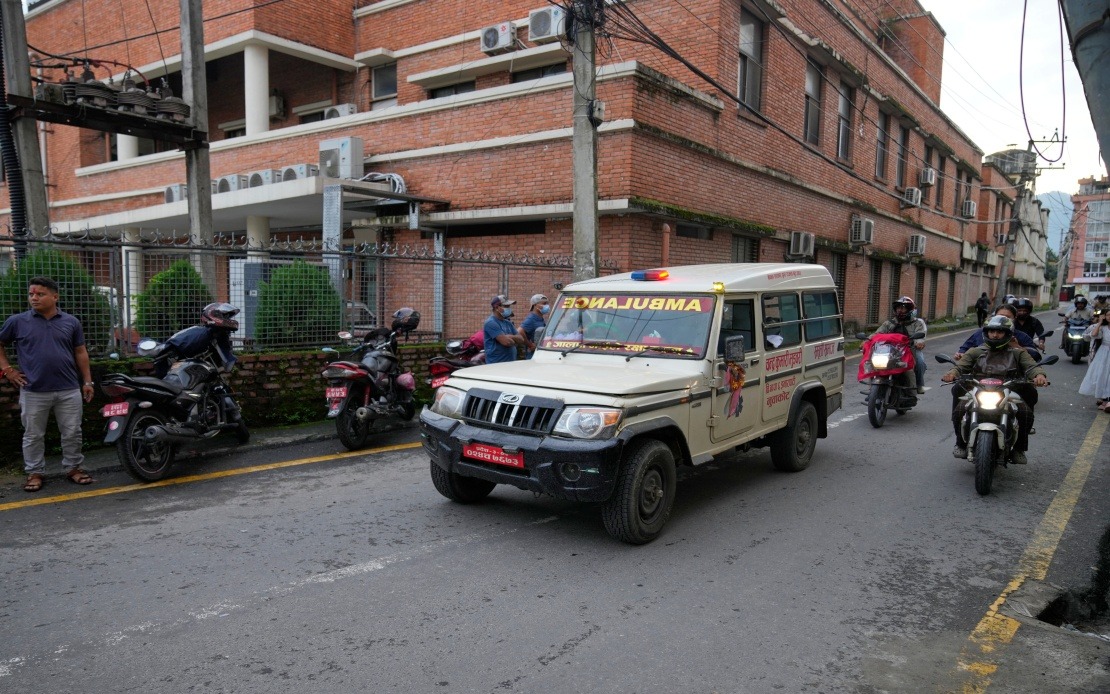
Nepal's rescue operations have extracted 121 foreign nationals from regions devastated by catastrophic flooding that erupted on Wednesday when a glacial collapse in the Himalayas triggered torrential flows in the Bhote Koshi and Trishuli rivers. The international contingent rescued by Friday evening includes citizens from across Asia, Europe and North America, underscoring the reach of the disaster into popular tourist and pilgrimage routes across South Asia and beyond.
The composition of those rescued reveals the multinational character of the affected areas. Among the 121 evacuated, Indian nationals formed the largest contingent with 85 people rescued by 5.30 pm local time. Chinese citizens accounted for 16 of those saved, while nine South Koreans were brought to safety. Smaller numbers from the United States, Russia and Italy—two each—joined rescued individuals from Belgium, Bulgaria, Portugal, Spain and Switzerland. This diversity highlights how the disaster zone intersects multiple regional travel corridors, from tourist destinations to energy infrastructure projects and religious pilgrimage sites.
Yet the human cost of the catastrophe extends far beyond those successfully evacuated. The confirmed death toll stands at approximately 550 people across both Nepal and China, with hundreds more classified as missing. The figure represents one of the most severe natural disasters to strike the region in recent years, and rescue teams continue combing downstream areas in search of additional bodies and survivors. The magnitude of losses underscores the unpredictability of glacial hazards in high mountain environments, where climate change may be intensifying such events.
Indian nationals face particular concern, with New Delhi's Ministry of External Affairs reporting that 320 Indian citizens have lost contact with the outside world. However, some positive developments have emerged from the initial rescue phase. Officials confirmed that 63 Indian workers stationed at the Trishuli hydropower project—a strategic infrastructure facility—have been accounted for and found safe. Additionally, 21 rescued Indian nationals have been transported back across the border to India itself. A complicating factor involves approximately 100 Indian passport holders of other national origins who remain unaccounted for, many of whom may have been undertaking the sacred Kailash Mansarovar pilgrimage in China's Xizang region at the time of the disaster. By contrast, around 400 Indian nationals known to be in the Chinese sector have confirmed their safety.
Nepal's governmental response has mobilised at the highest levels. Prime Minister Balendra Shah convened his Cabinet on Friday to assess the immediate aftermath and coordinate recovery efforts. In a show of solidarity, Shah and his Cabinet colleagues committed to donating one month's salary to the Prime Minister's Natural Disaster Relief Fund, a symbolic gesture aimed at marshalling resources for broader relief operations. This leadership commitment signals the severity with which the Nepalese government regards the crisis.
The logistical challenges confronting authorities on the ground are formidable. Hospitals in Chitwan and Pokhara, the nearest major population centres to the disaster zone, are already operating beyond capacity. Local media reports indicate that Nepalese officials face acute difficulties in both identifying victims recovered from the floodwaters and securing adequate facilities for deceased bodies. These constraints reflect the infrastructure limitations many developing nations face when confronted with sudden mass casualty events.
Regional powers have begun mobilising humanitarian assistance. India has dispatched two shipments of relief supplies totalling 47.5 tonnes, with additional aircraft scheduled to depart on Friday carrying further emergency materials. This rapid response demonstrates the interconnected nature of South Asian disaster management, where bilateral aid flows are activated swiftly. Pakistan's Prime Minister Shehbaz Sharif similarly engaged in diplomatic coordination, placing a call to Nepal's Prime Minister on Friday to express condolences and pledge emergency relief assistance. Islamabad's willingness to contribute underscores that major regional players, despite their own internal challenges, recognise collective responsibility in transboundary disasters.
For Malaysian and Southeast Asian observers, the Nepal flooding carries several implications. First, it highlights the vulnerability of major regional infrastructure projects—such as the Trishuli hydropower facility—to climate-related hazards. As the region pursues energy development through hydropower expansion, similar glacial risks may emerge in Southeast Asian contexts, particularly in border regions with the Himalayas. Second, the involvement of multiple nationalities demonstrates how popular tourist routes and pilgrimage paths create exposure for citizens far from their home countries. Malaysian travellers, while not explicitly mentioned in this incident, frequently traverse similar routes across Nepal, India and the Tibetan plateau.
Third, the disaster illustrates the growing risks associated with glacial retreat and instability triggered by climate warming. As Himalayan ice masses continue to thin, the potential for catastrophic outburst events and valley flooding will likely increase, affecting millions across South and Southeast Asia who depend on glacial-fed river systems. The event serves as a cautionary reminder that climate change manifests through intensified natural hazards, not merely gradual environmental shifts.
The diplomatic coordination evident in responses from India and Pakistan also suggests that humanitarian crises can transcend political differences and activate shared regional interests. For Malaysia, which maintains relationships across South Asia and has diaspora communities throughout the region, such events underscore the importance of maintaining emergency response protocols and ensuring that Malaysian nationals in affected areas have access to consular support and evacuation assistance when necessary.

