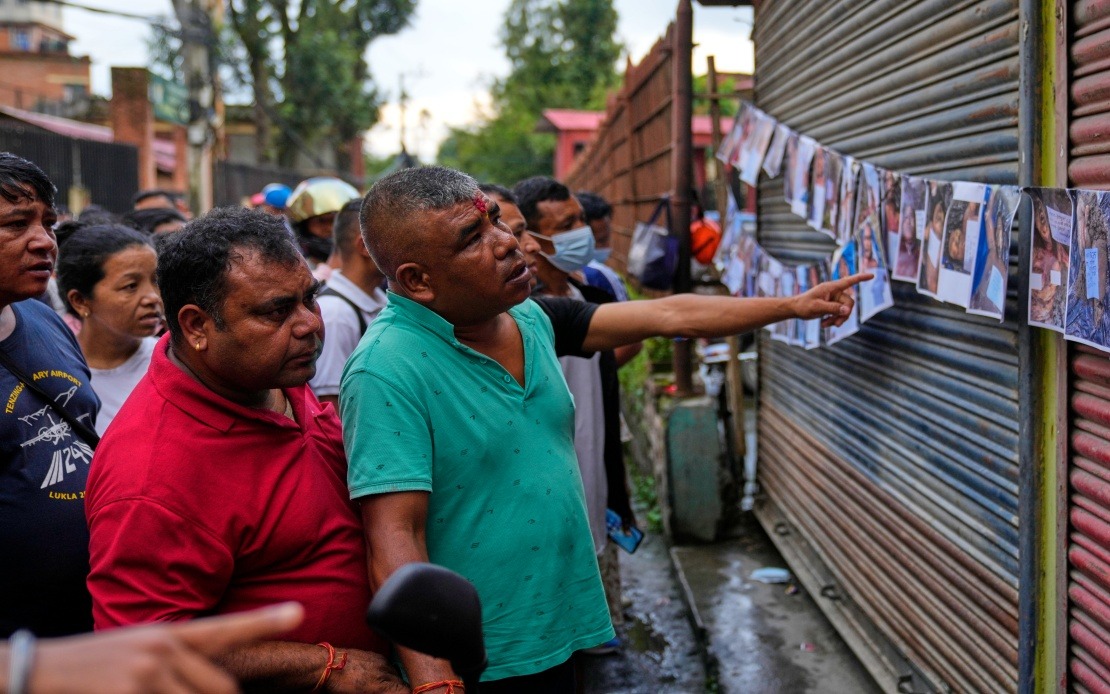
Rescue teams are maintaining intensive search operations across Nepal's northern districts on Friday as the humanitarian crisis deepens, with confirmed fatalities surpassing 500 people and hundreds still unaccounted for. The catastrophe, triggered by a sudden Himalayan glacial collapse on Wednesday morning, released torrents of water and debris through the Bhote Koshi and Trishuli river systems, devastating communities in Rasuwa district and areas far downstream. Malaysian authorities have intensified their focus on tracking nationals affected by the disaster, with the Foreign Ministry reporting that two of 57 previously untraceable Malaysians have now been located as of Friday afternoon, leaving 55 others whose whereabouts remain unknown.
Nepal's Department of Tourism released an official roster late Thursday containing 537 foreign nationals from over 30 countries reported out of contact, with Malaysian citizens representing a significant portion of the confirmed missing. The compiled list, released by the Department of Tourism under Nepal's Ministry of Culture, Tourism, and Civil Aviation, provides critical identification details including names, ages, and the travel agencies coordinating their excursions. This systematic documentation effort represents a crucial step in the verification process, though authorities acknowledge that information continues to be updated as rescue teams access previously unreachable areas and families provide additional details. Foreign Ministry Deputy Secretary-General Datuk Syed Mohamad Hasrin Tengku Hussin emphasised that the Malaysian figures remain preliminary and subject to ongoing cross-verification with Nepalese authorities and relevant agencies on the ground.
The initial flood event unfolded with terrifying speed on Wednesday morning when a glacial collapse in the Himalayan region released a massive surge of water into the Bhote Koshi River. Eyewitness accounts and reports from The Kathmandu Post describe how the deluge swept away vehicles, structures, and people within minutes, demolishing roads and bridges that connected communities across Rasuwa district. The floodwaters subsequently merged with the Trishuli River system, extending the devastation across multiple administrative areas and isolating entire communities cut off from external assistance. The scale of infrastructure damage has complicated both rescue operations and the delivery of humanitarian aid, as many traditional access routes have been rendered impassable.
Identifying victims and locating survivors has proven extraordinarily challenging for Nepalese authorities managing the aftermath. Bodies and human remains are being discovered in districts situated far downstream from the initial impact zone in Rasuwa, suggesting that the flood's destructive reach extended well beyond initially affected communities. Morgue facilities across multiple districts are operating at or beyond capacity, creating logistical difficulties in victim identification and creating additional pressure on local authorities already stretched thin by the scale of the emergency. Nepalese tourism authorities reported that 121 foreign nationals have been successfully rescued from flooded regions thus far, though notably no Malaysian nationals have been identified among those extracted to safety, intensifying concerns about the status of those on the missing list.
Malaysia's diplomatic and humanitarian response is accelerating in coordination with Nepal's government. Prime Minister Datuk Seri Anwar Ibrahim signalled willingness to provide substantial assistance, which could encompass direct financial transfers or the deployment of specialised rescue personnel. The National Security Council is actively engaging with Nepalese counterparts to determine the most effective form of intervention, with particular consideration being given to dispatching Malaysia's Special Search and Rescue Team (SMART), a unit with extensive experience in international emergency response operations. The Malaysian Foreign Ministry is simultaneously conducting independent verification efforts to establish definitive status assessments for nationals in affected areas, coordinating with travel agencies, hotels, and local contacts to construct a comprehensive picture of Malaysian citizen locations.
For Malaysia, this disaster represents a significant consular challenge given the substantial number of nationals typically engaged in tourism, trekking, and adventure activities across Nepal's mountain regions. The Rasuwa district, positioned along Nepal's northern border and known for trekking routes and adventure tourism, attracts considerable numbers of Malaysian tourists throughout the year. Many affected individuals were participating in organised tours coordinated through Malaysian travel agencies, a factor that has facilitated tracking efforts but also underscores the vulnerability of large tourist groups to natural disasters in mountainous terrain. The incident will likely prompt Malaysian authorities to revisit emergency protocols for nationals travelling in high-risk geographic zones.
The glacial collapse triggering this disaster reflects broader climate and environmental concerns affecting the Himalayan region. Rapid glacial retreat and destabilisation has become increasingly frequent in recent years, with experts warning of heightened risks for communities situated downstream from major glacier formations. Nepal's geographic vulnerability, combined with limited infrastructure in remote northern areas, amplifies the humanitarian consequences when such natural events occur. The incident serves as a stark reminder of climate-related hazards confronting South Asian nations and highlights the necessity for enhanced early warning systems and emergency preparedness in vulnerable regions.
Coordination challenges characterise the current response phase, as multiple national governments work through Nepalese authorities to secure information and arrange evacuations or assistance for their nationals. Language barriers, limited communication infrastructure in mountainous terrain, and the sheer scale of the disaster create genuine friction in rescue operations. Malaysian diplomatic missions are working closely with tour operators and insurance companies to establish communication channels with affected nationals and coordinate support measures. The Foreign Ministry's continuous verification efforts aim to reduce uncertainty for Malaysian families awaiting confirmation of their loved ones' status.
The regional implications of this disaster extend beyond immediate humanitarian concerns. Tourism sectors across Nepal and neighbouring countries face potential disruption as international travellers reassess their travel plans and insurance companies adjust coverage for adventure activities in mountainous regions. For Malaysia, where outbound tourism to Nepal represents a notable market segment, there will likely be short-term reductions in tourist flows and heightened scrutiny of tour operator safety protocols. Insurance and travel safety standards may undergo review across the region, potentially affecting how adventure tourism is marketed and regulated.
Looking forward, Malaysia's assistance coordination will likely involve multiple agencies operating across diplomatic, humanitarian, and technical domains. Beyond immediate rescue support, medium-term assistance could encompass reconstruction aid, capacity building for disaster preparedness, and enhanced bilateral mechanisms for managing emergencies affecting Malaysian nationals. The incident underscores the importance of maintaining robust diplomatic relationships and communication channels with regional partners, ensuring that Malaysian citizens receive rapid support when disasters strike beyond national borders. Families of the 55 Malaysian nationals still unaccounted for continue awaiting updates as rescue operations proceed through challenging terrain and difficult weather conditions.

