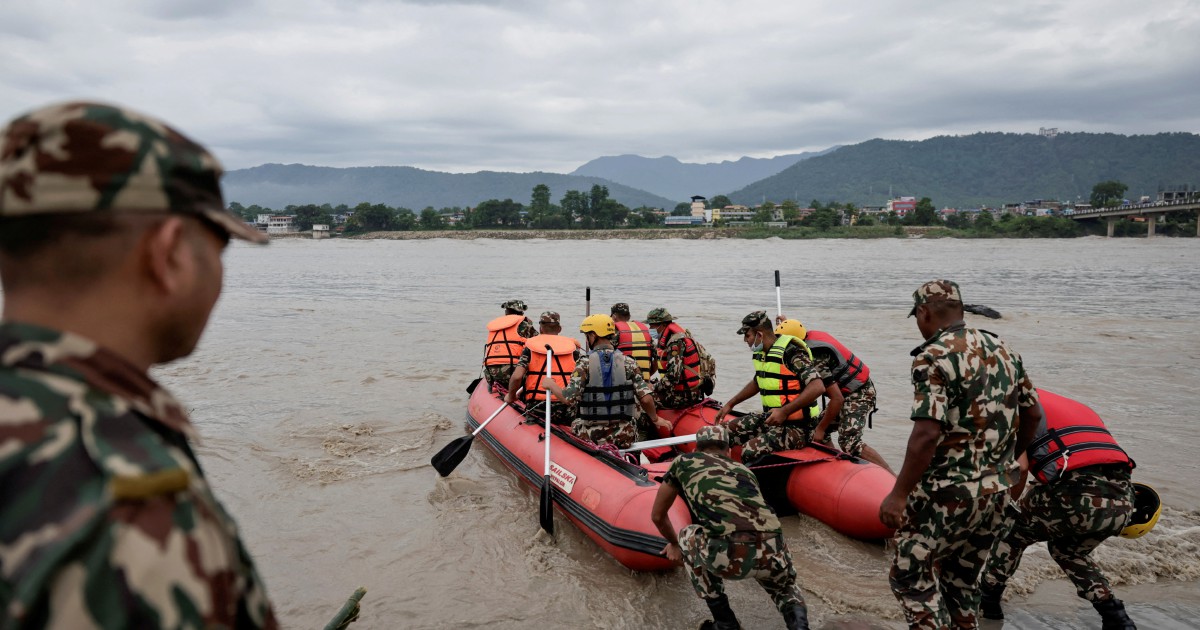
Nepal stands at the epicentre of a humanitarian emergency as devastating floods sweep across the nation, creating what government officials have characterised as a crisis of historic proportions. Prime Minister Balendra Shah has publicly described the situation as "unimaginable and heartbreaking," underscoring the gravity of the situation confronting one of Asia's most mountainous and geographically vulnerable nations. The disaster has already claimed hundreds of lives, though the true extent of the casualties remains unclear as rescue and recovery operations continue across multiple districts simultaneously.
The assessment of the full scope of destruction has proven exceptionally challenging for Nepali authorities, who are contending with multiple simultaneous challenges that compound the disaster's impact. Communications infrastructure in affected regions has been severely compromised, making it difficult for officials to gather accurate information from remote communities that lie beyond major population centres. Many areas remain isolated, with mountain passes rendered impassable and transportation networks severed, effectively cutting off entire settlements from coordinated rescue efforts and humanitarian assistance.
Thousands of individuals have been reported missing, adding an additional layer of urgency to ongoing operations. The missing persons crisis reflects both the scale of the flooding and the challenges in accounting for populations scattered across Nepal's challenging terrain. Family members are engaging local authorities and relief organisations in desperate efforts to locate loved ones, many of whom last had contact before communications in their areas failed. This dimension of the disaster extends beyond immediate loss of life to encompass profound anxiety and uncertainty affecting numerous households throughout the affected regions.
Nepal's topography and geography, whilst contributing to the nation's natural beauty and ecological significance, have become liabilities in managing this catastrophe. The country's monsoon-dependent rainfall patterns, combined with steep mountainous terrain, create conditions prone to flash flooding and landslides. Recent weeks had seen unusually intense precipitation across major river basins, overwhelming natural drainage systems and swelling waterways far beyond their normal capacity. Deforestation and land-use changes across Nepal's slopes have reduced water absorption capacity, exacerbating runoff and flooding intensity in downstream areas.
The impact on critical infrastructure has been substantial and far-reaching. Roads, bridges, and communication networks that were already fragile have been swept away or rendered inoperable by flood waters. This infrastructure damage compounds the humanitarian challenge, as rescue teams struggle to reach affected communities and distribute food, medical supplies, and emergency assistance. Government resources are stretched thin across multiple incident zones, with limited helicopter access due to weather conditions and terrain constraints that restrict rapid deployment of personnel and equipment.
For Southeast Asian nations like Malaysia and other regional countries, Nepal's flooding disaster carries strategic significance beyond immediate humanitarian concern. Nepal's position in South Asia, coupled with its mountainous terrain and role as a source region for major river systems, makes such disasters relevant to understanding regional water security and climate vulnerability patterns. The nation's experience with managing large-scale natural disasters offers instructive lessons about preparedness, response coordination, and recovery strategies applicable across the mountainous regions of Southeast Asia.
The Nepali government is mobilising whatever resources remain available to expand rescue operations and establish humanitarian corridors. International assistance has been solicited, with neighbouring countries and international organisations preparing to contribute personnel, equipment, and supplies once logistics allow. However, the immediate challenge remains reaching affected populations who are vulnerable to secondary hazards including landslides, disease outbreaks, and contaminated water supplies in the disaster's aftermath.
Prime Minister Shah's characterisation of the situation as "unimaginable" reflects the stark reality that even experienced administrators are struggling to comprehend the full dimensions of what has occurred. Historical flood records suggest this may represent the most severe flooding event to strike Nepal in recent decades, surpassing previous major disasters in its geographic scope and intensity. Such unprecedented circumstances have stretched response protocols and exposed gaps in disaster management systems that had been previously untested at this catastrophic scale.
The humanitarian implications extend beyond Nepal's borders, as the country's limited economic resources and infrastructure constraints mean international support will be essential for recovery. The disaster arrives when Nepal was already addressing significant development challenges, and the reconstruction burden will weigh heavily on the nation's already-strained budget and institutions. The long-term development implications are profound, with investments in schools, hospitals, and economic infrastructure requiring complete rebuilding in affected zones.
As rescue operations continue through the coming days and weeks, the full death toll and economic damages will become clearer. The Nepali people face an extraordinarily difficult period ahead, marked by immediate rescue and relief needs, followed by the monumental task of rebuilding communities and restoring basic services. The international community's response to this crisis will be a crucial factor in determining how quickly Nepal can stabilise and begin the lengthy recovery process.

