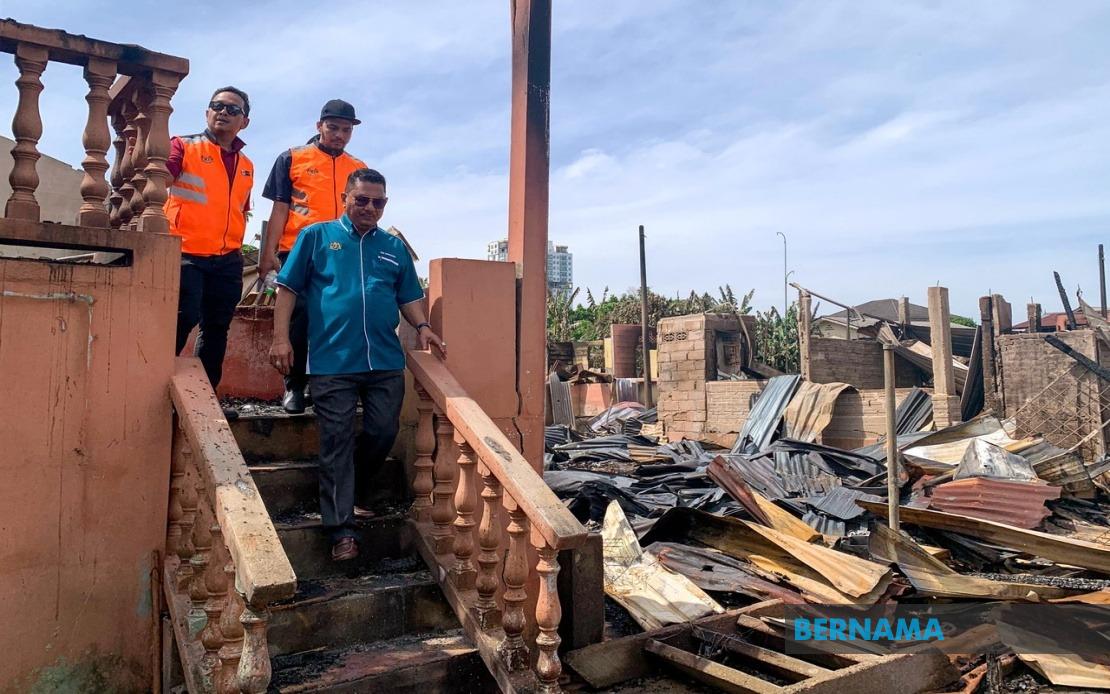
The fire that devastated Kampung Gok Kapur in Kota Bharu on June 8 has been definitively traced to a reckless domestic practice: using an open flame to incinerate waste paper directly inside a residential kitchen. The Kelantan Fire and Rescue Department (JBPM) concluded its investigation this week, revealing that someone applied a gas lighter to a pile of papers in the kitchen of one of the affected houses, inadvertently triggering a chain reaction of combustion that would ultimately consume 27 homes and displace 110 villagers.
Kelantan JBPM director Farhan Sufyan Borhan detailed the investigation's findings to the press, explaining how the Fire Investigation Forensic Unit reconstructed the incident through physical evidence analysis and witness statements. The forensic examination established that the open flame from the lighter ignited not only the papers themselves but adjacent flammable materials in the kitchen space. Once those initial materials caught fire, the flames rapidly spread through the interior of the house and subsequently jumped to neighbouring structures, creating a domino effect across the densely populated village.
The critical factor distinguishing this incident from mere accident is the element of human negligence. Officials determined that the burning activity itself was conducted carelessly, without appropriate safety measures or consideration for the inherent risks of using naked flame sources near combustible domestic items. This distinction carries legal and administrative weight: the investigation report will now be forwarded to police and other relevant authorities for potential follow-up action. Depending on whether charges of culpable negligence or related offences are warranted under Malaysian law, the responsible party could face prosecution.
The immediate human toll was significant. One hundred and ten residents found themselves suddenly displaced, forced to abandon their homes with minimal possessions. The community rallied quickly, establishing a temporary evacuation centre at the nearby Mukim Banggol Mosque to provide basic shelter and support for the affected families. Remarkably, despite the scale of the destruction, no deaths or serious injuries were recorded in the incident, a fortunate outcome given the rapid spread and intensity of the fire.
This case serves as a stark illustration of how indoor burning practices, common in some Malaysian households as a traditional or practical method of waste disposal, pose extraordinary fire hazards in residential settings. Unlike open-air burning in designated areas or with proper equipment, indoor incineration combines multiple risk factors: enclosed spaces that concentrate heat and flames, proximity to domestic furnishings and stored items, limited ventilation, and reduced escape routes. The Kelantan incident demonstrates how quickly a small flame can become an uncontrollable blaze in such conditions.
The fire authorities' subsequent advisory to the public reflects lessons learned from this and similar incidents across Malaysia. Residents are now urged to exercise extreme caution with any open flame sources—including not just gas lighters but candles, cigarettes, and cooking flames—and to abstain entirely from burning activities inside homes or in areas adjacent to residential structures. This guidance extends beyond simple risk avoidance; it recognises that many Malaysian households inhabit close-quarter settlements where fire can spread rapidly between buildings, transforming a single household accident into a neighbourhood catastrophe.
The investigation's completion and handover to law enforcement marks a transition from emergency response and forensic analysis to administrative and legal processes. Police will determine whether criminal negligence charges are appropriate and proportionate to the circumstances. Meanwhile, insurance assessments will begin, displaced families will navigate the lengthy process of rebuilding, and the community will grapple with the trauma and financial loss incurred by the disaster.
For fire and safety officials across Kelantan and the broader Southeast Asian region, the Kampung Gok Kapur fire reinforces the importance of public education campaigns targeting domestic fire prevention. Many fires classified as accidental or negligent could be prevented entirely through simple behavioural changes and awareness of fire risks inherent in everyday domestic practices. The 27 destroyed houses and 110 displaced persons represent not merely statistical losses but profound disruption to families and livelihoods that could have been avoided through basic precautions.
The incident also highlights the critical role of swift forensic investigation in Malaysian fire services. The JBPM's ability to reconstruct the fire's origin and cause with precision allows authorities to move beyond speculation toward evidence-based prevention strategies. When similar patterns emerge across multiple fire incidents, this data becomes invaluable for designing targeted interventions and public messaging that resonates with specific high-risk practices within Malaysian communities.