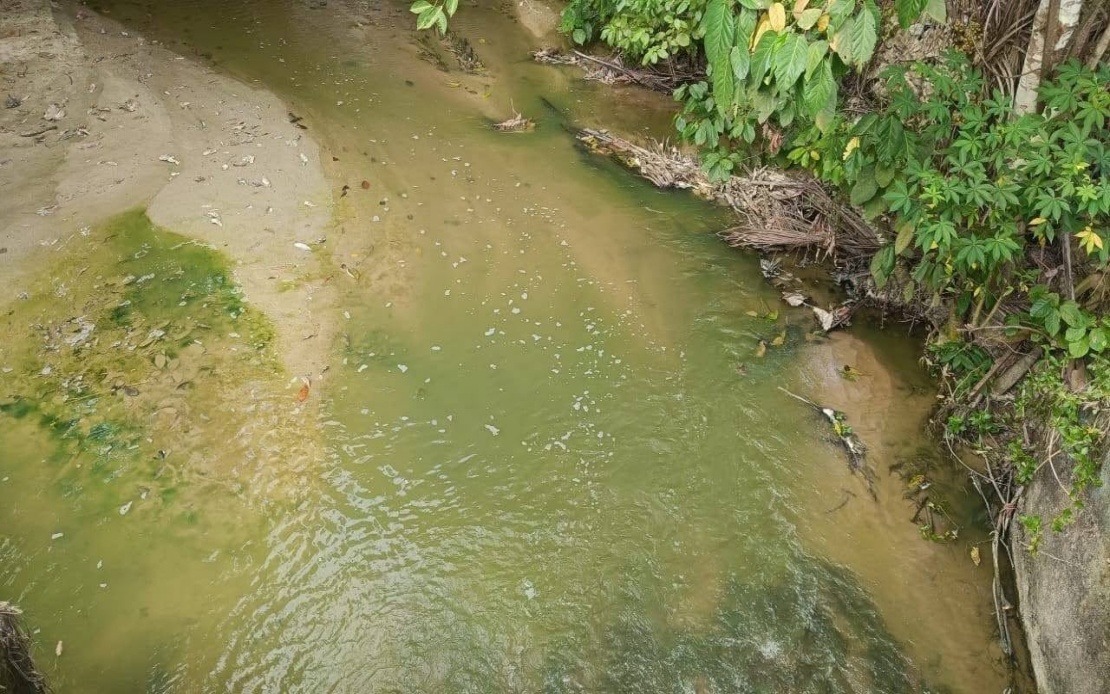
The Pertang River in Jelebu, Negeri Sembilan turned an alarming shade of green over recent weeks, sparking public concern and viral social media posts suggesting industrial or agricultural pollution. However, the state's Department of Fisheries has now clarified that the discolouration is caused by natural algae proliferation in adjacent aquaculture facilities rather than any toxic discharge, offering reassurance to residents and farmers alike.
According to Kasim Tawe, the department's director, investigators determined that changing climatic conditions—specifically sustained high temperatures and insufficient rainfall—created ideal conditions for algae to flourish in the fish-farming ponds dotting the Pertang area. The algae subsequently drained into the river, tinting the water green. This conclusion followed a systematic examination of the waterway and surrounding aquaculture operations, ruling out chemical or industrial contamination as the culprit.
The concerned area comprises a sprawling former mining site converted into aquaculture, now spanning approximately 29.54 hectares and housing farms that breed baung, red tilapia, and Lee Koh fish. The transformation of such abandoned mining ponds into productive fish-farming zones represents a common land-use strategy across Malaysia, yet the incident highlights the environmental trade-offs and monitoring challenges associated with intensive aquaculture operations. The convergence of weather stress and fish-farming practices occasionally produces unexpected ecological consequences, as evidenced here.
Tawe emphasised that algae growth in controlled aquatic environments carries both advantages and disadvantages depending on its density and the species composition of fish stocks. In moderated quantities, algae functions as a beneficial ecosystem component: it releases dissolved oxygen through photosynthesis, supplies natural food particles for farmed fish, and filters the water. Additionally, the algae layer shields fish from excessive solar radiation, reducing physiological stress during hot periods—precisely the conditions that triggered this bloom.
Yet unchecked algae expansion presents genuine risks to fish health and survival. Excessive algal biomass depletes dissolved oxygen levels dramatically during nocturnal hours, when photosynthesis ceases and decomposition accelerates, potentially suffocating fish populations. Simultaneous swings in water pH can shock fish physiology, while clogged gills from particulate matter compromise respiration. These cascading failures can devastate commercial fish stocks, representing substantial financial losses for breeders and threatening aquaculture viability.
Cognisant of these hazards, the Department of Fisheries has recommended several practical interventions for farmers to deploy. Waterwheels and aeration devices, particularly active during nighttime hours when oxygen depletion peaks, can maintain adequate dissolved oxygen. Gradual water replacement prevents sudden chemical and thermal shocks to fish populations. Reducing feeding regimes decreases excess nutrients that fuel algal multiplication. Shade netting limits sunlight penetration, suppressing photosynthetic activity. Probiotics and beneficial microbial cultures can establish competing microbial communities that inhibit problematic algal species. Finally, decreasing stocking densities reduces biological oxygen demand and allows farmers greater flexibility in managing water chemistry.
The Jelebu District Fisheries Office and Pertang Police Station have initiated ongoing surveillance protocols to track water quality and ecological conditions at the river and ponds. This coordinated monitoring approach reflects growing recognition that aquaculture operations, whilst economically valuable, require systematic oversight to prevent environmental degradation. The partnership between fisheries technical expertise and law enforcement underscores the cross-sectoral nature of agricultural resource management.
The incident illuminates broader concerns about Malaysia's agricultural intensification amid climate variability. Extended dry spells and heat waves, increasingly frequent under shifting climatic patterns, amplify stressors on aquatic farming systems. Negeri Sembilan and surrounding states are particularly vulnerable given their reliance on rainfall-dependent water resources and established aquaculture sectors. Farmers must adapt management practices to mitigate such algal blooms proactively rather than responding reactively after public alarm spreads.
Social media's rapid amplification of the green river photograph, initially generating pollution fears, underscores the necessity for authorities to communicate promptly and transparently when environmental anomalies emerge. Timely expert analysis and clear public messaging can prevent unfounded panic whilst enabling farmers and residents to understand genuine environmental dynamics. Here, the Department of Fisheries' swift investigation and accessible explanation—distinguishing between natural algal processes and genuine pollution—restored public confidence and deflated misinformation.
Moving forward, this episode offers lessons for managing multiple-use rural landscapes where abandoned mining sites transform into food production zones. Sustainable intensification demands that farmers, government agencies, and communities establish collaborative frameworks for monitoring and adaptive management. Early-warning systems that track water quality indicators, coupled with farmer education on algae control techniques, can prevent future blooms from compromising fish stocks or alarming the public. The Pertang incident, whilst resolved satisfactorily, exemplifies both the environmental complexities of modern aquaculture and the possibilities for science-informed management across Malaysia's agricultural regions.

