The race to govern Negeri Sembilan officially started today with the opening of nomination centres across eight locations throughout the state, marking the beginning of a closely watched electoral contest in the country's political calendar. Prospective candidates had a one-hour window from 9 am to lodge their nomination papers with the Returning Officer, a critical procedural step that determines which contenders can legitimately pursue the people's mandate. Once the Election Commission verifies and announces the final roster of eligible candidates, the state will enter a formal 14-day campaign period stretching until the final day of July, setting the stage for intensive political mobilisation across all 36 state constituencies.
The electoral timeline unfolds methodically over the coming weeks, with early voting scheduled for July 28 before the main polling day on August 1. This calendar follows the June 5 dissolution of the Negeri Sembilan State Legislative Assembly, which occurred following due consent from the Yang Dipertuan Besar of Negeri Sembilan Tuanku Muhriz Tuanku Munawir. The compressed timeframe—just over two weeks from nomination to polling—compresses the window for candidates to canvas voters and articulate their policy positions, placing a premium on efficient campaign organisation and media strategy among competing coalitions.
Interest in contesting has been substantial, with the Election Commission reporting that 464 nomination forms had been distributed as of yesterday, accompanied by 70 prospective candidates who have already lodged their required election deposits. These figures suggest that multiple political parties are fielding candidates across multiple constituencies, creating a competitive electoral environment with numerous contenders vying for voter support. The nomination process itself has become an important barometer of political ambition and party organisational capacity, with successful deposit payment serving as a concrete commitment to actually contest rather than merely file papers.
The voter roll encompasses 889,490 eligible participants spread across ordinary voter, military and police constituencies. Of these, 867,151 are ordinary registered voters who form the bulk of the electorate, while 16,884 military personnel and their spouses, and 5,455 police officers and their spouses, constitute specialised voting blocks. This overall electoral universe means that winning coalitions must build broad-based support across different demographic and institutional groups, rather than relying on narrow constituencies. The size of the voting population also underscores Negeri Sembilan's significance within the Malaysian federation, as a mid-sized state with considerable political weight.
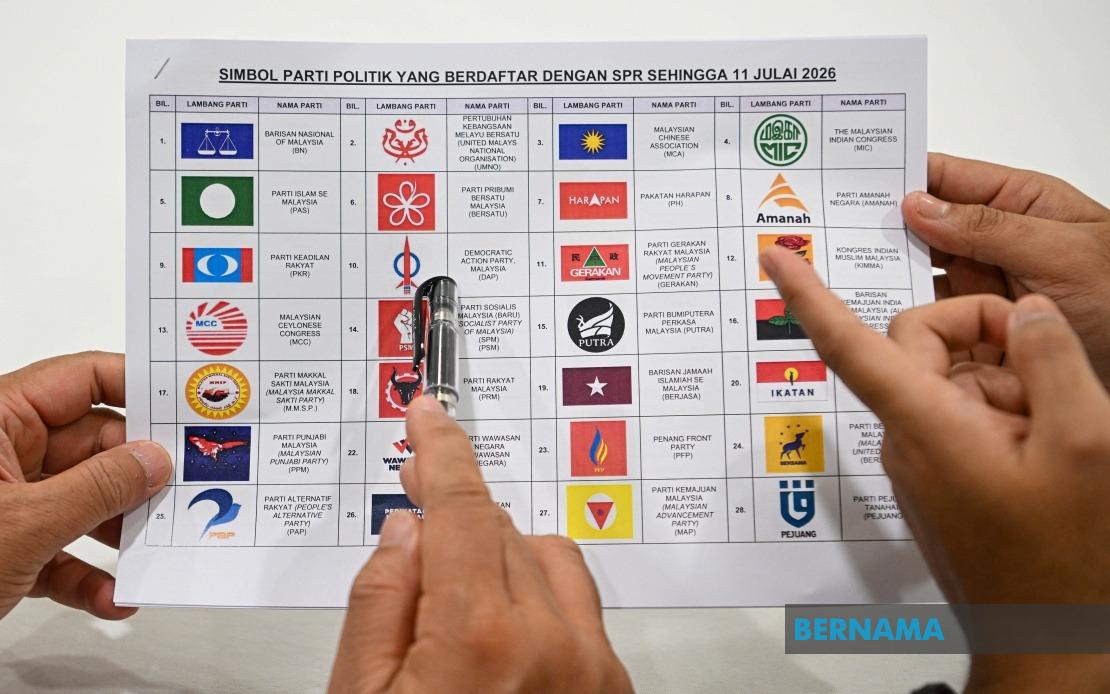
The major political coalitions have already unveiled their candidate slates, revealing distinct strategic approaches to the contest. Pakatan Harapan is contesting all 36 seats, signalling an ambitious bid to capture the state entirely and demonstrate broad appeal across all constituencies. Barisan Nasional, by contrast, has chosen to field candidates in only 25 seats, suggesting either limited organisational capacity or deliberate strategic decisions to concentrate resources in winnable territories. Perikatan Nasional is contesting 11 seats, occupying third position in the three-way contest and representing the reformist-Islamic coalition's effort to expand its footprint beyond its existing electoral base.
Smaller parties are also participating in the contest, though with necessarily limited scope. Parti Pribumi Bersatu Malaysia, fielding 24 candidates including two from the coalition partner Urimai under the Bersatu banner, represents the Bumiputera-focused political space. Meanwhile, Parti Orang Asli Malaysia, the Socialist Party of Malaysia, and Parti Barisan Jemaah Islamiah Se-Malaysia are each contesting a single seat, reflecting their niche positioning within Malaysia's fractured political landscape. This proliferation of contenders across the 36 constituencies creates a genuinely multi-cornered contest in many areas, potentially fragmenting voter choices and making seat projections inherently uncertain.
The previous electoral cycle in 2023 provides a recent baseline for assessing likely outcomes. Pakatan Harapan secured 17 of the 36 seats, Barisan Nasional won 14, and Perikatan Nasional captured five, with no single coalition achieving the 19-seat majority needed to form government. This outcome means that PH currently leads the state government, but with a slim margin that makes the incumbent coalition's re-election far from assured. Any significant swing toward the opposition could alter the state's political direction, while consolidation of PH support could strengthen its governing position. The closeness of the 2023 result ensures that this 2024 contest will be genuinely competitive rather than predetermined.
Security arrangements for today's nomination process reflect official commitment to ensuring orderly proceedings. Negeri Sembilan police have deployed 4,800 officers, supplemented by 1,373 additional personnel from Bukit Aman, creating a substantial security presence across the state. This deployment anticipates large crowds of party supporters, political leaders, and candidates converging on the eight nomination centres to participate in the ceremonial filing process. The visible police presence aims to prevent provocations or confrontations that could undermine the electoral process, though the nomination phase itself is typically less contentious than subsequent campaigning and polling days.
The Election Commission has issued explicit reminders that all participants must adhere to established protocols and avoid provocative behaviour that could disrupt proceedings. These directives reflect the need to maintain procedural integrity and ensure that the nomination process unfolds smoothly and transparently, with candidates properly registered and eligible contenders clearly identified before campaigning formally begins. Such emphasis on order underscores the electoral authorities' determination to conduct a credible election that generates public confidence in outcomes.
Meteorological forecasts suggest generally fair conditions across most of Negeri Sembilan this morning, though Port Dickson and Seremban are expected to experience rain, with afternoon thunderstorms forecast statewide. These weather patterns could affect voter turnout and the logistics of party mobilisation, potentially making late-morning nomination centre visits more appealing than afternoon activity. While weather rarely determines electoral outcomes, the afternoon thunderstorms may discourage some candidate supporters from attending nomination ceremonies later in the day.
For Malaysian political observers, the Negeri Sembilan contest represents an important mid-term test of Pakatan Harapan's continued viability at state level following its 2023 federal election setback. The coalition's need to defend its 17-seat majority while facing organised opposition from both Barisan Nasional and Perikatan Nasional makes this a consequential electoral battleground. Conversely, Barisan Nasional's selection of contesting only 25 seats may reflect either strategic accommodation with Perikatan Nasional or recognition of limited organisational capacity to compete comprehensively. The outcome will likely influence Malaysian politics beyond Negeri Sembilan, signalling the relative health and mobilisation capacity of competing national coalitions heading into potential future electoral contests.

