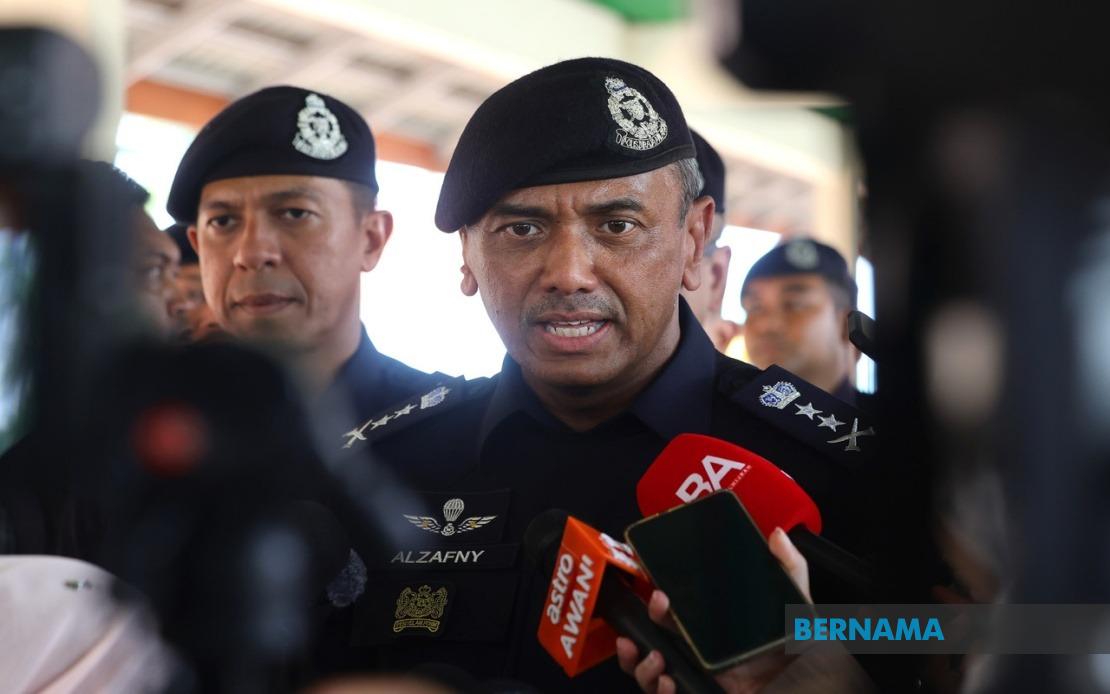
The nomination process for Negeri Sembilan's 16th state election unfolded without significant problems on July 18, according to the state police leadership. Across eight designated nomination centres throughout the state, the day's proceedings demonstrated the capacity for orderly electoral administration, with all contesting parties and their supporters adhering to established security protocols. State Police Chief Datuk Alzafny Ahmad confirmed that no serious incidents marred the exercise, allowing the process to continue uninterrupted from early morning through midday.
The attendance at nomination centres varied considerably across Negeri Sembilan's constituencies, reflecting differing levels of grassroots engagement among political factions. Jempol emerged as the focal point of supporter activity, drawing approximately 2,500 individuals representing the various contesting parties, making it the most densely attended venue of the day. At the opposite end of the spectrum, Kuala Pilah recorded notably lighter participation, with around 1,000 supporters assembling to witness the nomination of their respective candidates. The remaining six centres fell between these extremes, each registering between 1,000 and 2,500 attendees, suggesting that enthusiasm for the electoral exercise was distributed unevenly across the state's political landscape.
The smooth execution of the nomination process reflected substantial police preparation and resource deployment. Datuk Alzafny disclosed that 2,373 police officers and personnel had been strategically positioned throughout the nomination centres to fulfil dual responsibilities: maintaining security and managing vehicle traffic in surrounding areas. This extensive deployment represented a significant commitment of state law enforcement capacity, signalling the authorities' determination to prevent the nomination phase from becoming a flashpoint for inter-party tensions or public disorder. The visible police presence appeared to have had its intended effect, with the state police chief noting that supporters from all parties responded cooperatively to police directives and maintained appropriate conduct throughout the proceedings.
Beyond the immediate logistics of the nomination day, police authorities took the occasion to issue substantive guidance regarding the forthcoming campaign period. Datuk Alzafny addressed candidates directly, emphasising that their campaign activities must remain scrupulously clear of Malaysia's sensitive communal domains encompassed in the colloquial reference to the 3Rs: religion, royalty, and race. This warning reflects the delicate social fabric that Malaysian elections must navigate, where incautious rhetoric touching on these matters risks inflaming dormant tensions between the country's various ethnic and religious communities. The police chief articulated a clear expectation that campaigning should concentrate on articulating each party's policy platform and competitive strengths rather than on provocative messaging designed to mobilise support through divisive appeals.
The police warnings extended to encompassing a broader range of potentially destabilising campaign conduct. Beyond the specific prohibition on 3Rs-related content, Datuk Alzafny cautioned candidates against statements incorporating elements of provocation, incitement, or slander that might generate racial discord or public disquiet. This framing demonstrates law enforcement's concern that even campaign rhetoric falling outside the strict 3Rs category could still carry inflammatory potential. The message conveyed an implicit recognition that electoral competition in a plural society like Malaysia requires not merely the absence of explicit communal appeals but also the avoidance of any statement likely to be perceived as disrespecting specific groups or promoting interethnic hostility.
Logistical compliance during the campaign period formed another component of police guidance. Candidates received explicit instruction regarding seemingly mundane matters such as helmet-wearing when travelling by motorcycle through villages and residential areas. While such guidance might appear peripheral to the substantive governance questions at stake in the election, it reflects a comprehensive approach to maintaining public order and projecting an image of responsible political engagement. The emphasis on helmet compliance symbolises a police expectation that candidates and their supporters will demonstrate respect for traffic safety and legal regulations as they campaign, thereby modelling the very respect for law and order that they ask voters to entrust them to uphold.
The Election Commission has partnered with police to establish dedicated monitoring teams tasked with overseeing compliance with campaign regulations. This institutional collaboration between electoral authorities and law enforcement underscores the serious approach being taken to preventing the campaign period from deteriorating into chaos or violence. The monitoring teams possess responsibility for ensuring that all directives applicable during the campaign are properly observed by candidates and party officials, creating a system of accountability that extends beyond the nomination day into the substantive campaign phase itself. This coordinated enforcement mechanism aims to establish clear and transparent standards for acceptable campaign conduct.
The Negeri Sembilan election timeline places the nomination exercise within a defined sequence of electoral events. The Election Commission designated August 1 as polling day for the state election, meaning candidates and parties have less than a fortnight to conduct their campaigns from the July 18 nomination date. Early voting has been scheduled for July 28, three days before the main polling exercise. This compressed timeline concentrates political activity into a brief window, potentially intensifying competition and making police oversight and adherence to campaign norms even more critical for maintaining electoral peace. The relatively short campaign period limits the opportunity for public tempers to cool but equally restricts the window for problematic rhetoric to accumulate.
For Malaysian political observers and Southeast Asian democracy watchers, the Negeri Sembilan nomination process exemplifies both the institutional strengths and underlying vulnerabilities of electoral administration in plural democracies. The capacity to organise an orderly nomination involving multiple competing parties demonstrates functional administrative capacity and a shared commitment to democratic procedures. Yet the necessity for explicit police warnings regarding communal sensitivities and the deployment of more than 2,300 officers to ensure compliance reveals the tensions that continue to simmer beneath Malaysia's electoral surface. The successful navigation of the nomination phase does not automatically guarantee a campaign period free from provocative or divisive rhetoric, but it does establish a foundation of respect for institutional authority upon which subsequent electoral phases can build.

