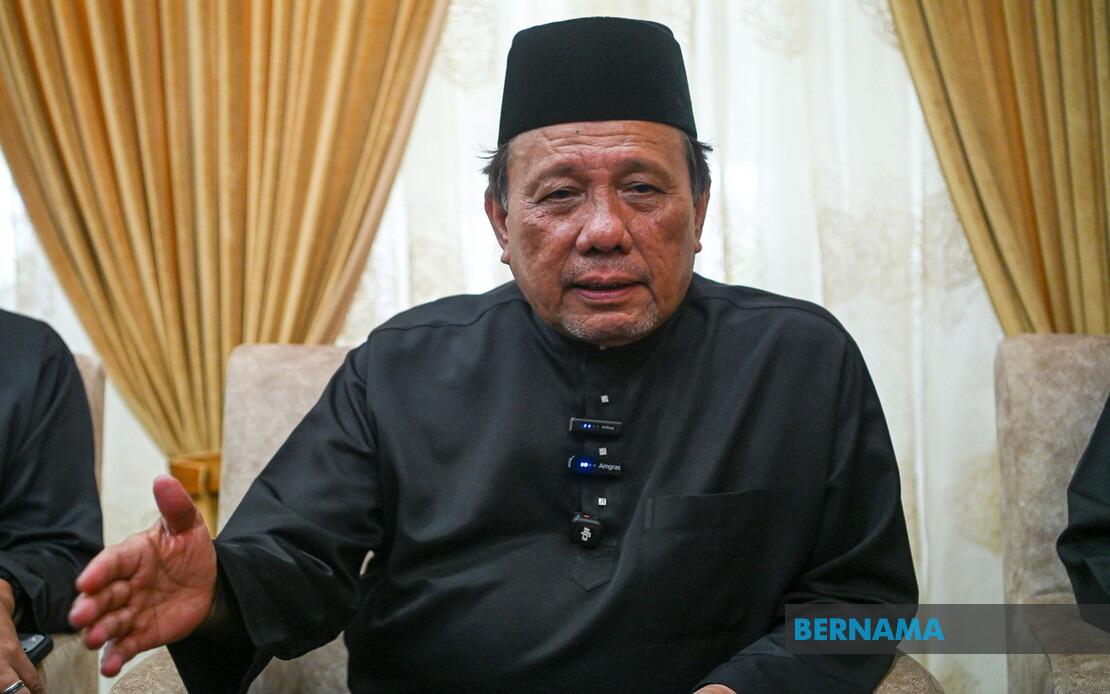
Datuk Ismail Lasim, the Menteri Besar of Negeri Sembilan, has assumed leadership of the Negeri Sembilan Football Club (NSFC) as its new chairman, effective immediately. The appointment arrives following the departure of his predecessor Datuk Seri Aminuddin Harun. Tunku Besar Tampin Tunku Syed Razman Tunku Syed Idrus Al-Qadri, president of the Negeri Sembilan Football Association (PBNS), announced the change through an official statement released from Seremban.
The move represents a strategic pivot for the state's football governance, bringing a leader with demonstrated institutional knowledge and political backing to shepherd the club through its next phase of development. Ismail's trajectory through Negeri Sembilan's football establishment stretches back decades, providing what the PBNS leadership characterises as invaluable familiarity with the sport's operational complexities within the state context. This deep historical connection contrasts sharply with typical boardroom appointments that prioritise external expertise or commercial credentials.
During the 1990s and into the early 2000s, Ismail served in an on-the-ground capacity as the state team's manager, placing him in direct contact with players, coaching staff, and administrative personnel during formative periods in Negeri Sembilan's football journey. His responsibilities extended beyond logistics to encompass strategic planning and stakeholder coordination. Subsequently, he ascended to the vice-presidential position within PBNS itself in 2010, further cementing his integration into the state's football institutional fabric. Such progression signals recognition from the football community itself rather than external appointment.
Tunku Syed Razman articulated confidence that Ismail's leadership experience and football acumen would catalyse professional advancement across the organisation. The PBNS president emphasised that Ismail's understanding of Negeri Sembilan's unique footballing identity and values positioned him to guide the club through modernisation without losing connection to its roots. This dual imperative—honouring tradition whilst embracing contemporary standards—presents a nuanced challenge in Malaysian football, where state pride and commercial viability often exist in tension.
The newly installed chairman inherits responsibility for establishing NSFC's strategic direction and fostering collaborative relationships across multiple constituencies. The Negeri Sembilan Football Association, the state government apparatus, NSFC's internal management, and the broader supporter community all require alignment and effective communication for organisational health. Ismail's position as Menteri Besar grants him considerable political leverage to mobilise state resources and government cooperation, potentially streamlining bureaucratic obstacles that frequently hamper sports development initiatives in Malaysia.
Central to the club's forward agenda lies a commitment to constructing a genuinely professional operation capable of sustaining competitive performance and commercial viability simultaneously. Malaysian football clubs frequently struggle to establish self-sufficiency, relying heavily on government subsidy or corporate patronage that fluctuates with political cycles or commercial priorities. The emphasis on building sustainable structures suggests recognition that NSFC requires institutional reforms extending beyond seasonal team management into finance, governance, and strategic planning.
Player development frameworks represent another critical priority area for the reformed leadership. Malaysian football's historical weakness in youth development and talent progression has constrained the national team's competitiveness regionally and internationally. By prioritising systematic player cultivation within a state club structure, Negeri Sembilan can contribute to addressing this structural deficit, potentially creating pathways for local talent to progress through professional ranks whilst strengthening the club's competitive base.
The commercial dimension of modern football operations demands sophisticated engagement with sponsorship opportunities, broadcasting arrangements, merchandise strategies, and fan engagement initiatives. Traditional Malaysian football clubs often treat these aspects as peripheral activities rather than core business functions. Ismail's appointment presumably signals intention to professionalize revenue generation, reducing dependency on government subventions and creating conditions for long-term financial stability independent of political whim.
Community and supporter relations constitute an underappreciated element of sustainable club development. In Malaysian footballing tradition, state clubs embody regional identity and pride, creating passionate supporter bases that provide both emotional energy and potential revenue through ticket sales and merchandise. Cultivating these relationships deliberately rather than opportunistically requires consistent engagement, transparent communication, and demonstrated commitment to supporter interests. This aspect becomes particularly important in Negeri Sembilan, where the football club serves as a symbol of state identity alongside its sporting functions.
The timing of this transition introduces Ismail at a moment when Malaysian football confronts multiple systemic challenges including financial instability across clubs, infrastructure deficiencies, and competitive performance shortfalls relative to regional neighbours. How Negeri Sembilan navigates these pressures under new leadership may offer instructive lessons for other state football organisations grappling with similar structural constraints and modernisation imperatives. Ismail's dual roles as both political leader and football administrator create opportunities for innovations in sport governance within the Malaysian context.
Looking forward, observers will scrutinise whether this appointment catalyses substantive organisational transformation or represents primarily a symbolic leadership change. The convergence of Ismail's football background, current political position, and manifest stakeholder confidence creates conditions favouring meaningful institutional development. However, implementation will demand sustained attention, adequate resource allocation, and sophisticated management of competing interests across government, commercial, and community constituencies. The next phase of Negeri Sembilan football begins with considerable structural and symbolic advantages, but realising these potential benefits requires deliberate execution.

